If you want a believable character look for conventions, photoshoots, or performances, learning practical wig techniques is essential. This longform guide covers step-by-step procedures, pro tips, and troubleshooting strategies so you can confidently recreate iconic hair silhouettes. Throughout the guide you will find actionable steps for cutting, heat-setting, coloring, and maintaining synthetic and human hair units; repeated emphasis on how to style wigs cosplay ensures the content aligns with targeted search intent and stays optimized for discovery.
Wigs transform a costume into a convincing portrayal. A styled wig complements makeup, proportions, and movement. Understanding materials, base construction (cap types, wefts, lace front), and character reference details is the first step. When planning, always use clear reference images and note silhouette, hairline, parting, bangs, and specific gravity of the style—these observations inform the approach to how to style wigs cosplay effectively.
The prep phase is often overlooked but determines the success of every step. Place the wig on a stable head form at eye-level to mimic natural fall and gravity. Clean the wig gently if it's new or sticky—use a wig-specific shampoo and conditioner to remove manufacturing residue. Dry thoroughly on cool air. Comb gently from ends to base to reduce shedding. During prep, plan where the hair will be trimmed or thinned. A well-prepared base reduces rework and allows you to focus on artistry rather than fixes when learning how to style wigs cosplay.
Use a tail comb to mark important lines: center or side parts, hairline, crown cowlicks, and fringe. Secure sections with clips. For layered or intricate character hair, sketch the intended cutting lines on paper or a digital pad. This 'map' preserves proportions and helps you visualize end results before making irreversible cuts.
Cut conservatively. When you are building a silhouette, remove small amounts and check often. Point-cut ends to avoid blunt, unnatural lines unless the character requires it. Use thinning shears to reduce density at the crown and around the ear area for realistic layering. For bangs, cut vertically with small snips to create soft edges. Every cut should be made while the wig is on the stand, checking symmetry and fall. At this stage, refine the wig to match reference proportions—this is a core aspect of how to style wigs cosplay.
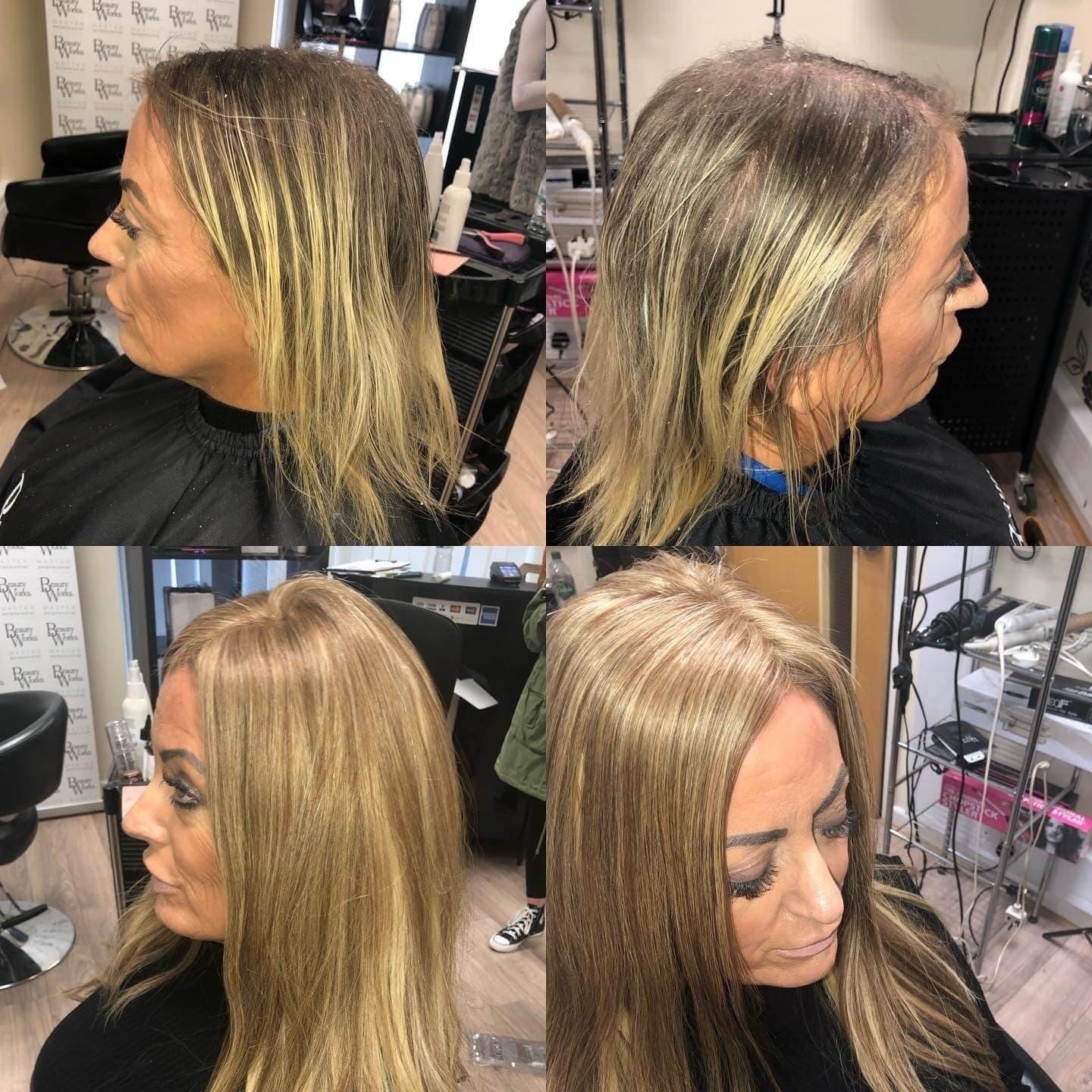
Many synthetic cosplay wigs are heat-resistant up to a certain temperature; always check the manufacturer's rating. For durable styling, use steam setting or low-temp irons. To create waves or curls, wrap small sections around a curling rod and dip briefly in hot water, then hold until cool to set. For sleek shapes, a low-temperature flat iron and smoothing product will establish clean lines. Work from the underside out and always test a hidden section first. Heat-setting creates a "memory" in fibers, which is essential for styles that need to survive convention wear.
Use fiber paste, non-greasy pomade, or hair glue to sculpt spikes, cowlicks, or gravity-defying shapes. Remove excess and refine with a toothbrush or spoolie. Strong-hold hairspray in layers ensures long-lasting form without crunchy residue when used correctly. For anime or game characters with exaggerated shapes, internal supports like pipe cleaners, wire, or foam understructures can be wrapped with hair and concealed, then secured with stitching or glue. An understanding of internal armatures is a higher-level skill in how to style wigs cosplay.
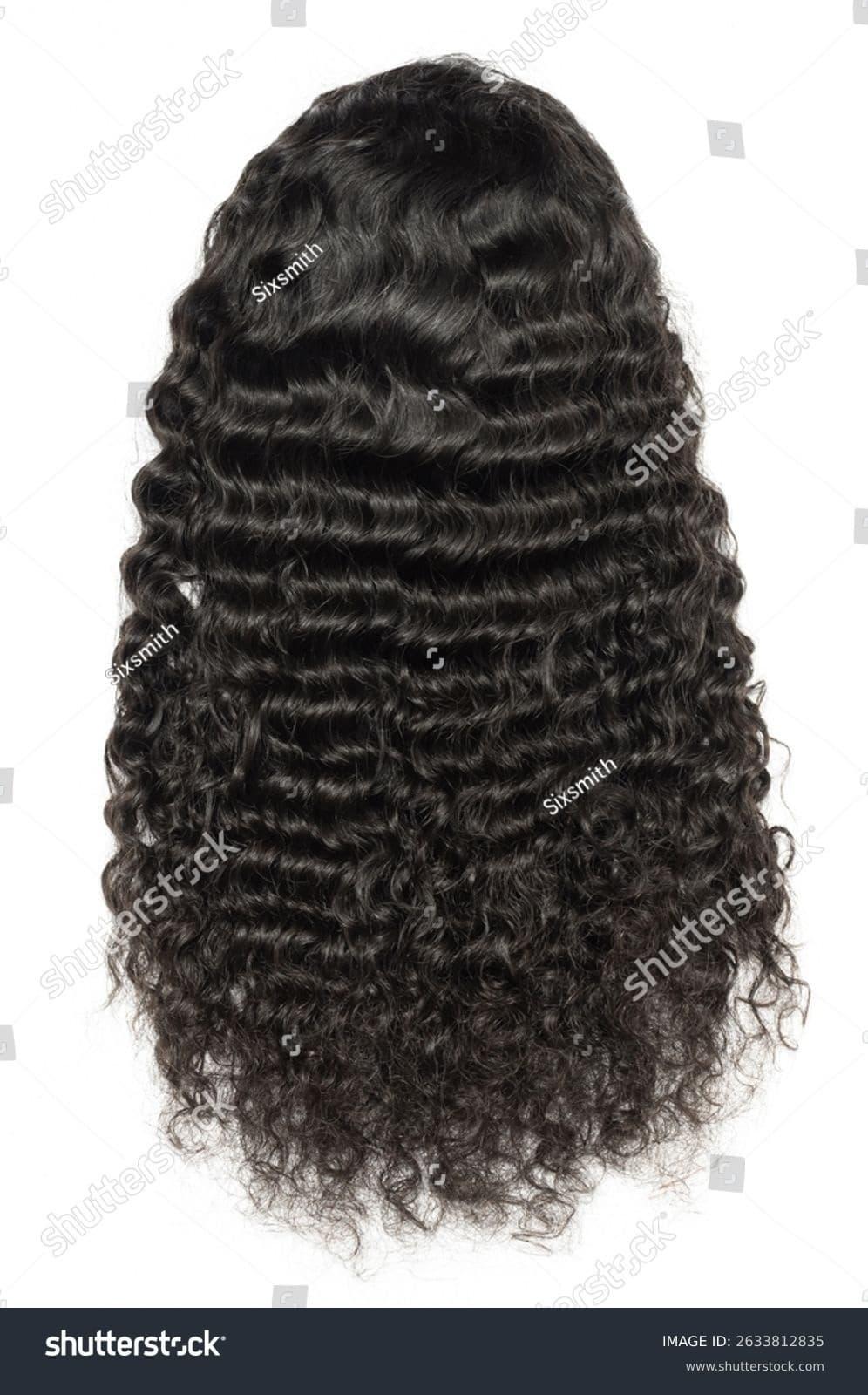
Use smaller sections and pomade to build spikes from base out. Start at the nape and work upward, locking each spike with hair glue and finishing with strong-hold spray. Consider backcombing at roots before forming to ensure spikes don't collapse under weight.
For long wigs, weight causes sag—counteract this by extremely subtle internal wefts or by strategically sewing small tucks to maintain volume without visible alteration. Use large barrel curling and finger-comb to produce soft waves; avoid over-brushing to keep definition. When needed, add wefts for extra density, matching fiber type and color.

Precision is key; replicate parting and hairline shape. Use a combination of heat and hair mobilization to achieve authentic cheek framing and updos. If the character uses adornments, stitch them into the cap to avoid slippage during movement.
Color changes for synthetic wigs require specific dyes or fabric paints; always patch-test. For human hair wigs, semi-permanent dyes are safer. When creating highlights, use thin foiling or balayage techniques adapted for controlled synthetic fibers. Blend color at the roots with airbrush or diluted paints for realistic regrowth effects. Color transitions and subtle highlights are frequently searched alongside how to style wigs cosplay, so including step-by-step color blending in your content will improve relevance and user satisfaction.
Lace-front wigs benefit from a realistic hairline created by careful, incremental trimming and plucking. Use a razor or tweezers with careful hand placement. Ventilating—adding individual strands to a lace cap—requires patience but yields unmatched realism. If you plan to attenuate your part or hairline, practice on inexpensive caps first. These advanced procedures elevate the craft of how to style wigs cosplay and are highly valued by serious cosplayers.
Stability is crucial at crowded events. Use adjustable straps, wig grips, and sew-in combs to anchor the unit. For lace fronts, medical-grade adhesive or tape provides a secure hairline for performances and photos. Keep skin-safe products at hand and test glue on a small patch before long use. Padding the interior with foam or fabric can improve fit and comfort while maintaining correct head proportions.
Wash wigs less frequently than natural hair to preserve style memory; when cleaning, use wig-specific gentle shampoos and cold water. For human hair units, condition deeply and apply heat protectant before styling. Store wigs on stands, in breathable bags, or in padded boxes to keep shape. For repairs like shedding or tear in cap, patch with matching lace or weave in replacement wefts to restore fullness—this prevents style degradation and extends the life of your character pieces.
Always carry a small kit: spare bobby pins, travel-sized spray, mini glue/tape, a few clips, and a small brush. For photoshoots, retouch small flyaways with a fine-tooth comb and a cotton swab dipped in product. When traveling, pack wigs flat in a structured container and rebuild shape on arrival using steam or gentle heat-set techniques.
Label wigs with character, size, and notes about internal modifications so teams can replicate looks; this is invaluable for productions and cosplay groups. Invest in a few neutral base wigs and practice rebuilding them for multiple characters—this reduces costs and increases skill depth. Always document your process with photos at each step; replicable workflows improve speed and consistency, central goals for course creators teaching how to style wigs cosplay.
When sharing tutorials online, include step-by-step headings, time estimates, materials list, and close-up photos. Use structured headings like <h2>, <h3>, and <h4> (as used here) to create scannable content that search engines value. Place the phrase how to style wigs cosplay in key places: headings, the introduction, and naturally in the body. Include alt text for images, timestamped steps in videos, and downloadable checklists to boost user engagement and dwell time.
Use cruelty-free synthetic fibers or responsibly sourced human hair products. Dispose of damaged wigs thoughtfully or repurpose them into accessories or practice pieces. Follow manufacturer safety guidelines for heat and adhesives to prevent injury and preserve health; always work in a well-ventilated area when using strong-hold sprays or adhesives.
Practice consistently, study wigmakers, and watch process videos focused on similar hairstyles. Join cosplay and wig forums to exchange tips and troubleshoot unique problems. Books on theatrical hairstyling and courses on wig ventilation add depth to your capability and can elevate your execution of how to style wigs cosplay.
Plan, Practice, Protect. Plan intentionally with references, Practice techniques on inexpensive pieces, and Protect wigs with proper storage and gentle cleaning routines. These pillars keep your characters consistent, durable, and camera-ready.
Whether you are creating a simple bob, a gravity-defying anime silhouette, or a historically accurate updo, applying the steps above will help you achieve professional, reproducible results. Focus on the fundamentals: clean base, mapped sections, considered cuts, heat setting where appropriate, and secure attachment. From there, creative embellishment and fine-detail sculpting transform a wig from costume to character.
Lighting reveals details; use rim lighting to emphasize texture you sculpted, and avoid overhead fluorescents that flatten shapes. For portraits, small directional lights can highlight spike definition or wave flow. Post-process minimally; strive to get the shape and color correct in-camera for best representation of your effort in tutorials about how to style wigs cosplay.
Good luck with your next build—may your characters look authentic, comfortable, and unforgettable.
