If you're exploring ways to refresh your look, a frontal wig can be one of the most versatile and realistic options available. This in-depth resource explains how to choose the right frontal, how to install it safely, and how to style and maintain it to suit a wide range of hair textures and lifestyles. Whether you're new to wigs or a seasoned wearer, the information here focuses on practical, SEO-friendly guidance so you can find, fit, and flaunt the ideal frontal piece for your needs.
A frontal wig is a hairpiece that includes a lace strip along the front hairline, typically from ear to ear, allowing for a natural-looking hairline and the ability to part and style the hair away from the face. The lace mimics the scalp and creates the illusion of hair growth at the front, which is essential for realistic results. Frontals differ from closures in size, versatility and installation techniques.
To match your natural hair or desired aesthetic, consider hair texture: straight, wavy, curly, and coily frontals each require different approaches.
Straight frontals emphasize sleek parting and polished edges. Choose appropriate hair density (100-150%) and consider lace color to match your scalp. Straight frontal wig pieces are ideal for center parts, precise side parts, and smooth updos.
Wavy frontals offer a relaxed, beachy appearance; curly frontals require careful detangling and moisture-rich products to preserve curl pattern and reduce frizz. For coarser curl types, seek higher-density frontals and lace options that accommodate volume without stressing the knots.
Coily frontals are great for protective styling and can recreate natural-looking textured hairlines. Select lace that blends well with deeper skin tones and choose knots processed minimally to maintain curl integrity while ensuring a realistic hairline.
Measure head circumference, front-to-nape length and ear-to-ear across the hairline to select the correct cap size and frontal width. A snug but comfortable fit prevents slippage; adjustable straps and combs can enhance retention. For custom installations, take precise measurements to avoid gaps or puckering along the lace.
Density affects the volume and styling ease. Common densities range from 120% (light) to 180%+ (very full). Match density to your desired look and natural hair's weight. Consider length and layering to prevent tangling: longer lengths require more maintenance and occasional deep conditioning. For color, decide between a natural match or bold dyeing; human-hair frontals accept color better than synthetic options.
Healthy hair and scalp are the foundation for a strong, long-lasting frontal installation. Cleanse and deep-condition hair before braiding or flat-ironing. Ensure cornrows are even and flat to create a smooth base. If planning to bleach knots or glue, protect the skin with barrier cream and follow safety steps to minimize irritation.
To mimic natural hair growth, many wearers bleach knots to reduce visible dark spots at the lace base and lightly pluck hairs along the hairline to create softness. Use caution: over-bleaching weakens the knots and can prematurely shed hair. Practice on an off-cut of lace first and use a low developer for controlled results. After bleaching, neutralize brassiness and rinse thoroughly.
Cutting and styling a frontal to flatter face shape enhances the overall look. For round faces, add height and layers to elongate; for oval faces, most frontal styles work well; for square faces, soften corners with wispy baby hairs and soft layers; for heart-shaped faces, side parts and volume around the jawline balance proportions.
Use heat-protectant products before straightening or curling human-hair frontals. For curls, a diffuser or sponge method helps define pattern without disrupting the lace. Use lightweight serums to maintain shine and minimize product buildup on lace. For long-term wear, rotate between heat styling and protective, low-manipulation styles to preserve hair integrity.
Create baby hairs by trimming a few strands along the hairline and smoothing with a gentle edge control or gel. Avoid heavy, alcohol-rich products that dry the lace or irritate the skin. Feather baby hairs into a natural slope rather than a uniform line for believable depth.
Wash human-hair frontals every 1-2 weeks depending on product buildup and lifestyle. Use sulfate-free shampoo and a moisturizing conditioner. For curly textures, consider co-washing to preserve moisture. Air-dry on a wig stand or mannequin head to protect the lace shape; avoid rubbing lace vigorously when wet. Store frontals on a stand or in a silk bag to reduce tangling and friction.
Human-hair frontals can be colored, highlighted or toned, but treat them like natural hair: use professional services if you’re uncertain, and perform strand tests. Avoid over-processing and excessive bleaching which weakens hair and knots. Toning helps achieve the desired shade while maintaining soft, realistic color transitions along the hairline.
Protect lace at night with a silk or satin scarf, or sleep on a satin pillowcase to reduce friction. Use minimal product directly on the lace to prevent visible residue. For sweaty or active lifestyles, secure the frontal with tapes designed for sports and clean the adhesive residue routinely with oil-free removers to maintain bond strength.
Professional stylists can deliver a near-invisible finish and custom shaping, especially for beginners or those seeking dramatic transformations. DIY installation is possible with practice, tools, and patience — practice on mannequin heads and invest in essential supplies like wig glue remover, lace tint, plucking tweezers, and a quality adhesive applicator.
Frontals vary widely in price based on hair quality, length, density and brand reputation. Consider certified sellers and read reviews; for premium longevity and realistic density, invest in reputable human-hair frontals. When shopping, examine return policies, seller transparency about hair origin, and availability of custom density or color services.
For everyday wear, low-maintenance textures and medium density are practical. For special events, choose glossier, styled frontals that withstand extended heat styling and hold up during photos. Sport-friendly frontals may use stronger adhesives and secure installation methods to withstand sweat and movement.
With careful maintenance, a high-quality human-hair frontal wig can last months to years depending on wear frequency and care. Replace when density thins, knots loosen, or lace becomes too damaged to blend naturally. Rotating between multiple frontals extends lifespan for each piece.
If sustainability matters to you, research brands with ethical sourcing policies and consider recycled packaging or brands that offer trade-in or recycling programs. Some wearers opt for longer-lasting human-hair frontals to reduce frequent replacements and waste.
Visit a professional for complex color work, re-laying after extended wear, or scalp concerns. A trained stylist can ventilate additional hairs, reshape the hairline, and correct lace discoloration safely.
Rotate styles, maintain moisture, avoid harsh chemicals, and schedule occasional salon tune-ups. Keep an inventory of trusted products: sulfate-free shampoo, hydrating masks, heat protectant, lash glue remover for residue, and a bonnet for night protection.
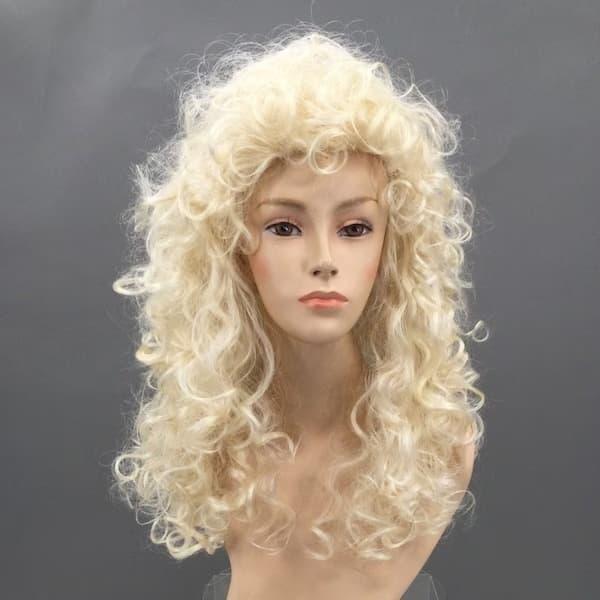
A frontal wig allows center parts, deep side parts, ponytails, updos and sweeping bangs without exposing unnatural tracks. Explore braided fronts, half-up half-down looks, slick backs for formal events, or volume-rich curls for a statement look.
Look for consistent strand alignment (Remy design), a natural knot pattern along the hairline, secure wefting, and a lace that feels thin yet durable. High-quality frontals also minimize shedding and tangling and provide a smooth parting space.
Ask about hair origin, whether the frontal is 13x4 or 13x6, customization options, return policies, and recommended care routines. Request close-up photos of the hairline and lace before purchase to assess construction.
Choosing a frontal is about blending realism, comfort and personal style. With proper selection, installation, and care, a frontal wig can enhance natural beauty and offer limitless styling possibilities. Invest in quality, learn safe installation techniques, and maintain a consistent care routine to enjoy the best results.
Practice techniques like baby-hair creation on scrap lace and keep a kit of emergency supplies (tape, glue, scissors, makeup to blend lace). For competitive events or long trips, carry a small maintenance kit to handle quick fixes on the go.
With careful maintenance, human-hair frontals can last from several months to over a year, depending on frequency of wear, styling methods and care. Rotating pieces increases lifespan.
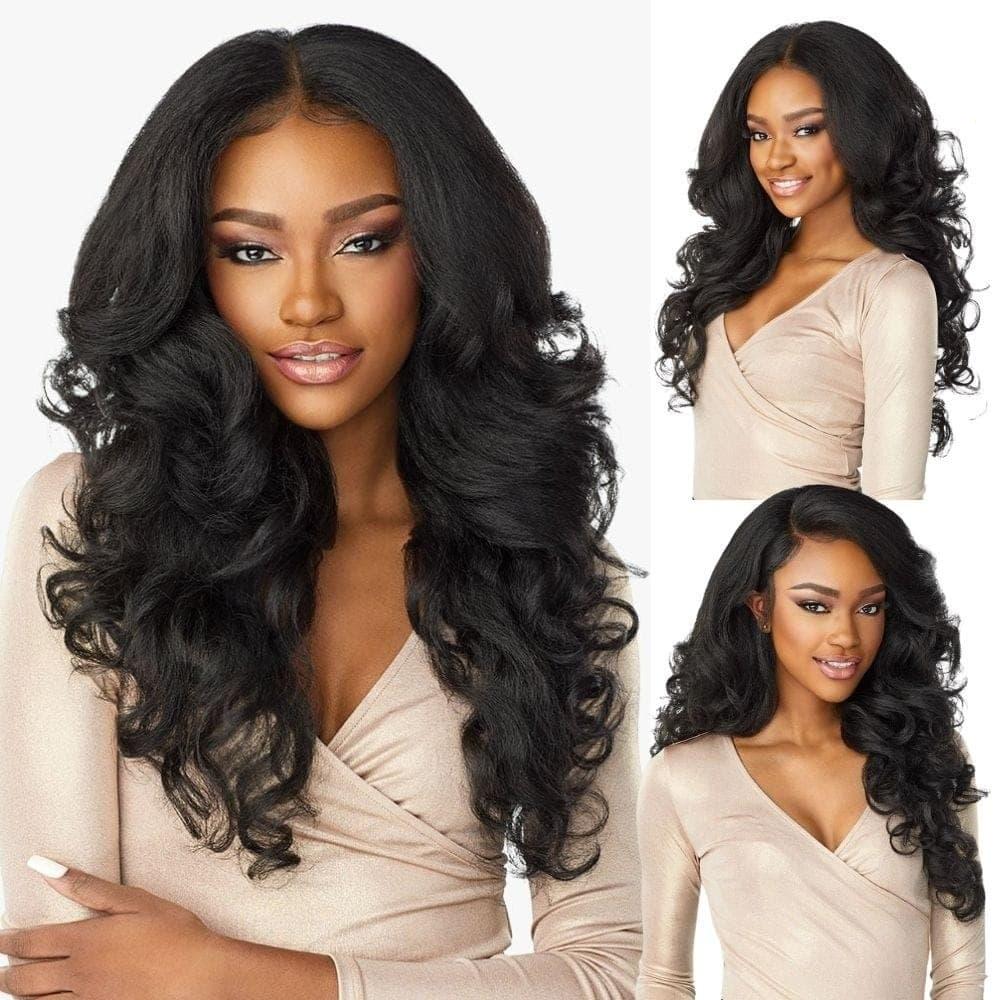
Yes, with proper installation and secure adhesives or tape designed for active wear. Rinse and reapply adhesives as needed and perform thorough cleansing to prevent product buildup.
Bleaching knots can make the lace look more natural by reducing visible knot darkness, but it's optional. If you choose to bleach, use conservative techniques and a low developer to preserve knot strength.
