If you're researching how to pick and preserve the healthiest-looking, longest-lasting hairpiece, this article focuses on the decision process and daily routines to keep the effect as natural as possible. Readers seeking guidance about a frontal wig and related choices will find step-by-step recommendations, troubleshooting tips, styling ideas, and a maintenance calendar that prioritizes scalp health and realistic hairlines. Below you'll find an organized approach that balances aesthetics, budget, and longevity so that investing in a frontal hairpiece becomes a confident, informed choice.
Choosing a frontal wig often starts with the desire for a seamless hairline and versatile parting. Unlike standard wigs, a frontal section allows for more natural baby hairs, off-the-face styling, and varied part positions. When installed and maintained correctly, a frontal wig offers a degree of realism that many wearers say is essential for daily confidence. Consider this technology an upgrade for people who value movement, realistic hair density at the hairline, and the ability to custom-layer or color strands around the face.
There are multiple frontal constructions on the market. Full lace frontals, 13x4 frontal units, 13x6 front pieces, and transparent lace frontals all aim to recreate a scalp-like base and a believable hairline. If you want a larger area to part and style, a 13x6 frontal gives more versatility than a 13x4. Remind yourself that the words used in product listings can be confusing; a well-made a frontal wig will specify lace type (Swiss or French), density, individual knotting quality, and whether knots are bleached for an invisible scalp effect.
Human hair frontals are prized for their matchability, heat styling capacity, and lifespan. However, high-quality synthetic frontal systems have improved and can offer lower-maintenance, cost-effective options. When shopping for a frontal wig, check whether the hair is Remy, single-drawn, or double-drawn; each affects fullness and durability. Transparent lace can be easier to blend on lighter skin tones, whereas medium or darker lace shades may require bleaching or tinting to appear natural. Manufacturers often note the difference, but always ask for close-up images or video demos to assess knot work and part depth.
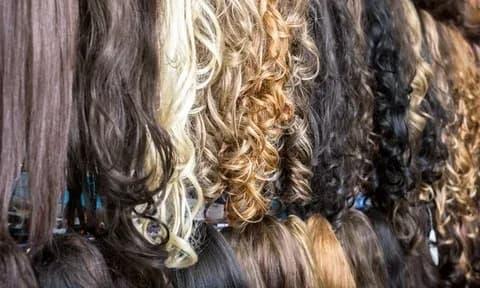
Size matters. A unit that's too tight will cause tension and discomfort; a piece that's too loose will not adhere correctly. Consider measuring your head at the widest point just above the ears and across the forehead; many brands list cap sizes. For daily wear, a cap with adjustable straps and combs can make a frontal wig feel secure without adhesive, while those seeking completely invisible edges may prefer an adhesive glue or tape installation. When fit and base are correct, the front hairline behaves like natural hair during movement and wind.
There are several ways to install a frontal. Clip-in and sew-down methods work for temporary or custom-sewn units, while glue, tape, or liquid adhesives create a skin-tight bond ideal for a natural perimeter. Each method has trade-offs: adhesives can provide the most realistic look but require careful removal to protect the lace and the hairline; sew-downs and clips put strain on anchor points but avoid chemical exposure. If you plan to change your style often, choose an installation that prioritizes ease of removal and cap integrity. Many stylists recommend alternating installation methods to extend the life of a frontal wig.
Customization is where the frontal really shines. Plucking and thinning the hairline, adding baby hairs, tinting the lace, and carefully bleaching knots are all techniques used to produce a natural effect. However, these processes must be done by an experienced stylist or by someone who has practiced on a test piece; over-plucking can create an unnaturally sparse appearance and bleaching can weaken knots. When you receive your frontal, do a dry fit before any permanent modifications so you can plan the exact hairline you want. A well-executed custom job makes a frontal wig indistinguishable from an actual scalp at a glance.
Human hair frontals tolerate heat and color better than most synthetics, but all frontal units benefit from protective styling practices. Use heat protectant sprays, lower temperature settings, and avoid frequent high-heat runs that degrade hair over time. If you plan to color a frontal, test a small section or consult a colorist familiar with frontal materials; uneven dyeing or improper developer strength can lead to dryness, tangling, or shedding. Remember that curl patterns can change after washing, so maintain a basic routine for preserving waves and curls. Gentle detangling with a wide-tooth comb from tip to root minimizes pulling at the knots and the frontal base.
Follow a measured routine: gentle detangling, sulfate-free cleansing, deep conditioning periodically, and protective nighttime practices to reduce friction will add months of service life. For daily wearers of a frontal wig, avoid sleeping with loose hair; wrap with a silk scarf or sleep on a silk pillowcase to prevent frizz and matting. Use a leave-in conditioner sparingly near the lace to avoid product buildup at the hairline, which can lessen adhesion and dull the lace transparency.
Use adhesive removers designed for wig glue when detaching glued lace. Patience during removal prevents lace tearing or hair loss at the hairline. Likewise, if you use tape, change tape often and prep the perimeter with gentle oil-based removers to avoid residue. A regular schedule for adhesive rest—days when you go without glue—helps maintain skin health and allows cap materials to recover. Always follow product instructions and consult your stylist about best solvent-use practices for a frontal wig.
Active lifestyles influence your choice of frontal type and installation. For swimmers or athletes, choose secure installations and consider water-friendly adhesives. For frequent travelers, pack a small maintenance kit with a gentle shampoo, leave-in spray, a wide-tooth comb, spare tape strips, and a mini adhesive remover. If humidity is a factor where you live, prioritize humidity-friendly products and secure the lace with light hairspray at the perimeter for extra grip. Keeping a compact mannequin or headform at home for styling practice reduces anxiety before important events or trips.
High-quality human hair frontals cost more upfront but often last longer when cared for properly. Synthetic frontals provide a lower-cost entry with minimal styling flexibility. Think of the cost as an investment: a well-chosen and well-maintained a frontal wig may remain attractive for 6-18 months depending on wear frequency and care, while cheaper alternatives might require replacement after just a few months. Factor in professional customization and installation fees when planning a long-term approach.
When comparing vendors, ask for clear photos, return policies, cap size options, hair origin and processing details, lace type, and whether pre-bleached knots are included. Reliable sellers will answer questions about density and show close-up images of the hairline and parting. If you have a favorite stylist, request their input or ask whether the frontal arrives ready to install or requires pre-fit customization. Including the phrase a frontal wig in your search filters helps find products specifically designed for natural hairline aesthetics.
Store your frontal on a wig stand, under cover, and away from dust and sunlight. Avoid leaving styling products on the lace overnight and remove adhesives promptly after use. If you own multiple units, rotate them to reduce wear per unit. Keeping repair supplies like lace tape and a small sewing kit allows for minor fixes that extend functional life. Professional reconditioning services can refresh a frontal for less than the cost of a new unit in many cases.
Deciding when a frontal has reached the end of its useful life depends on shedding, knot integrity, and lace condition. If the lace has torn, knots have become loose, or the hair quality is irreversible (excessive dryness, loss of luster), it's time to replace. Periodic professional checkups—every few months for heavy users—can identify repairable issues before a full replacement is necessary. Make a note each month of changes in density, tangling frequency, and lace integrity to track aging.
Skin sensitivity to adhesives is a real concern. Patch test new glues and removers before long-term use. Maintain scalp hygiene to avoid bacterial or fungal issues by giving the scalp breathing room between adhesive cycles. Opt for water-based adhesives if you have sensitive skin, and consult a dermatologist for chronic irritation. Also consider the environmental impact of disposable tapes and packaging; choose reusable storage solutions and responsible sellers when possible.
Layered cuts, face-framing highlights, soft baby hairs, and a slightly irregular hairline often read as natural. Use a light concealer along part lines to emulate scalp tone, and avoid overly dense or perfectly symmetrical hairlines which can look artificial. If you want to change part positions frequently, request a wider frontal panel. For special events, professional blending and skin-matching of the lace can make a frontal wig photograph exceptionally well.
Adhering to these steps reduces error and delivers a more realistic and durable result. Proper selection, skilled customization, and consistent maintenance are the trifecta that turn a frontal piece from temporary accessory into a semi-permanent extension of your natural look. Whether you wear a frontal for occasional styling experiments or daily realism, the right preparation ensures it complements your lifestyle and enhances your natural beauty.
When you commit to quality, you unlock both confidence and value. Treat your frontal like a valuable garment: clean it, protect it, rotate it, and consult professionals when in doubt. A considered approach pays off in longevity, healthier hair, and a seamless hairline that supports any look you choose. Remember that the goal is realistic motion and a believable hairline; when achieved, a frontal piece becomes a reliable styling tool rather than a temporary fix.
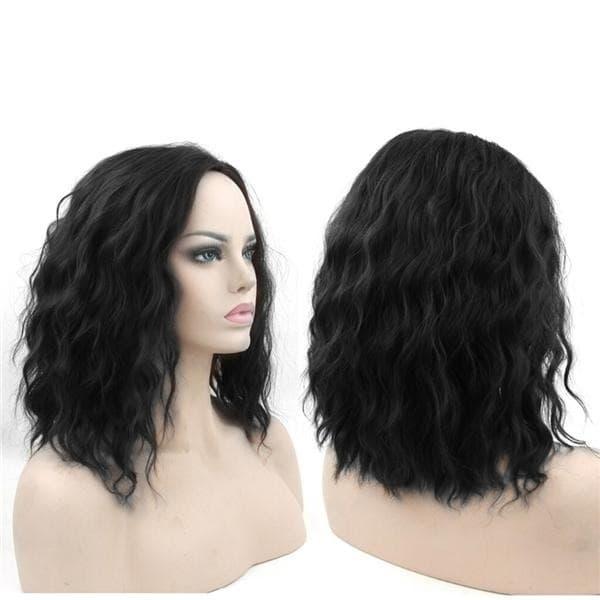
Keep these on hand: silicone-based adhesive for long wear, water-based adhesives for sensitive skin, clarifying but gentle shampoos, lightweight leave-in conditioners, and a fine-tooth toothbrush for shaping baby hairs. Use a silk bonnet at night and a wide-tooth comb for daily detangling to minimize tension on your knots.
Wash every 7-14 days depending on product use and sweat; heavy product users may need more frequent cleansing.
Coloring is possible but risky; test a small section first or consult a stylist experienced with frontals to avoid damage.
With careful wear and maintenance, a premium human hair frontal can last 6-18 months; longevity depends on frequency of wear and care practices.
By balancing practical upkeep with thoughtful purchases and realistic expectations, you can enjoy natural, long-lasting results that make the frontal piece an empowering part of your daily routine. Use this guide as a foundation and adapt the tips to your hair type, lifestyle, and aesthetic ambitions for the best outcome when choosing and maintaining a frontal wig.
