If you've ever wondered how are wigs made from the first strand to the finishedpiece, this detailed guide walks you through the real-world steps, materials, techniques, and decisions that distinguish basic factory wigs from high-end hand-tied lace creations. Whether you're a stylist, a small business owner, or a curious consumer, learning the process helps you evaluate quality, price, and care.
When searching for answers to how are wigs made, it's easy to focus only on the final look: hairline, density, and texture. However, the construction methods directly affect comfort, longevity, versatility, and styling options. Manufacturers balance cost, speed, and craftsmanship to serve different markets — from affordable synthetic caps to couture human-hair lace systems. This balance defines the end user's experience.
how are wigs made demonstrates clear differences depending on raw materials. Main categories include:
The cap or base can be made from:
There are two broad approaches to answer the question how are wigs made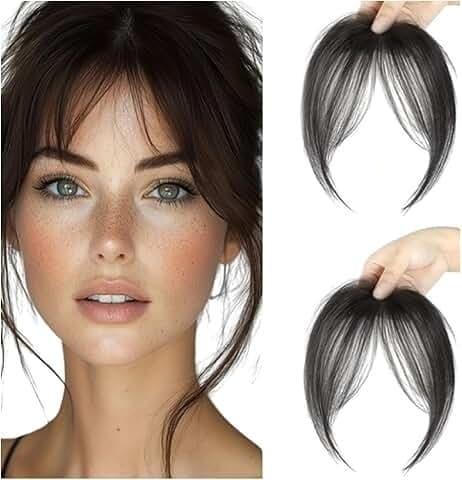 : industrial machine production and hand-crafted assembly. Each path includes multiple sub-processes.
In high-volume manufacturing, thousands of strands are sewn into wefts by specialized machines. Wefts are then stitched in circular rows onto a cap form, layer by layer. This method is fast and repeatable, producing consistent density and predictable fit. Most low-to-mid-range wigs and many synthetic styles use this method.
Higher-end wigs and lace frontals are created by hand-tying individual hairs to a lace base — a meticulous skill that requires training and time. This process, often called “ventilating,” yields individually movable hairs, a natural hairline, and realistic parting. Small ateliers or skilled technicians can produce different knot sizes and orientations to imitate natural hair growth patterns, an essential detail in premium products.
Below is a generalized sequence that illustrates how are wigs made in both synthetics and human-hair lines. Individual factories and workshops adapt steps to fit technology and design.
Material selection begins with quality control. Synthetic fibers are tested for tensile strength and heat tolerance; human hair is sorted by color, length, texture, and cuticle orientation. Bundles are cleaned, decontaminated, and graded.
For synthetic lines, fibers are dyed during extrusion or post-extrusion to achieve consistent shades. Human hair may be processed to remove pigments (bleaching) then re-dyed for fashion colors or base matching. Color fastness tests ensure customer satisfaction after washing and UV exposure.
Caps are molded to size standards or customized for bespoke orders. Materials like stretch lace, monofilament, or mesh are cut and prepared. For machine-wefted wigs, wefts are sewn onto a cap frame; for lace systems, the base remains flat and ready for ventilating.
How hair is attached deeply defines the product:
Realistic hairlines are achieved by plucking, tapering, or bleaching knots. For lace frontals, the tiny knots where hair is tied can be bleached and tinted to match skin tones. Skilled finishers use thinning shears and detailed handwork to mimic natural regrowth spacing.
Synthetic wigs often receive a heat-set to embed curls or waves. Human-hair wigs are cut, layered, and blow-dried to the intended style. Manufacturers check symmetry, density, and movement.
Finished pieces undergo inspections including strand retention tests, cap stretch tests, and wear-simulation checks. Packaging may include care instructions, warranty, and return policy details.
Producers often face questions around sourcing, worker conditions, and environmental impact. For example, human hair sourcing must be transparent to avoid exploitative practices; chemical processing must follow safety and disposal regulations; and synthetic fiber production has carbon and microplastic considerations. Buyers asking how are wigs made should consider these aspects when evaluating brands.
Several factors influence price and quality:
Understanding these drivers helps you decide when to invest in a higher-priced piece or opt for more economical options.
When comparing products while pondering how are wigs made, use these practical checks:

How a wig is cared for affects how quickly it shows wear. Care steps vary by fiber type:
Proper storage (on a stand or in a breathable bag) and minimal exposure to chlorine or excessive sun will extend wearable life.
Many professionals offer customization to answer individual needs beyond the generic "how are wigs made" narrative. Common services include:
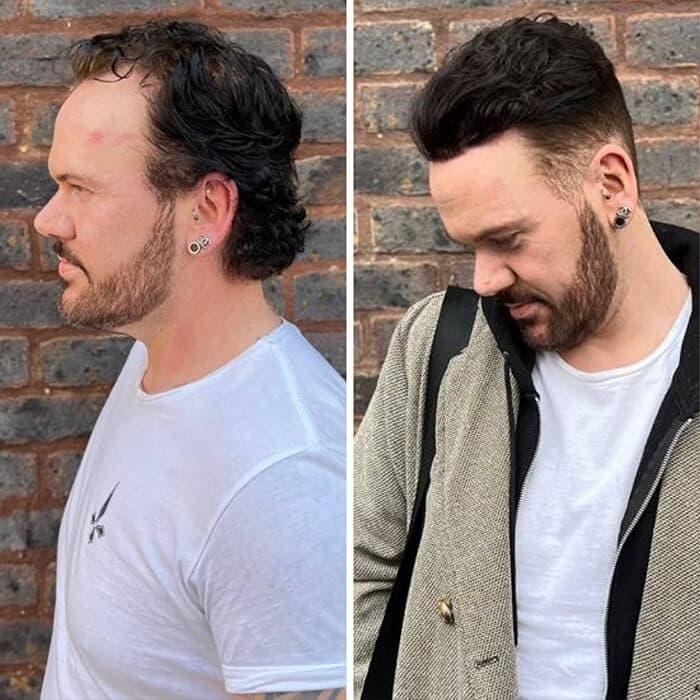
Advances that reshape answers to how are wigs made include:
Experienced wigmakers emphasize training and patience. Apprenticeship in ventilating takes months to gain speed and consistency. Stylists learning to style lace wigs must master subtle thinning, knot-lightening, and adhesive-free application methods for scalp-like appearances. These skills explain price gaps and why some pieces are worth the investment.
Retailers answer common customer questions by demonstrating cap types, showing close-up photos of hairlines, and offering trial periods. When asked how are wigs made, transparent shops explain the construction method and point to evidence such as visible knots, webbing, or machine stitching to support their claims.

Small-batch makers often blend machine and hand techniques: pre-made wefts combined with hand-placed frontals to create semi-custom pieces. A hobbyist approach to how are wigs made might involve sewing wefts onto a pre-formed cap, then finishing the hairline manually. This hybrid model enables affordable customization for boutique sellers.
For buyers verifying claims about material and construction, verify:
Misconceptions that cloud the question how are wigs made include:
The environmental cost of manufacturing wigs varies: synthetic fiber production relies on petrochemicals and can shed microplastics; human hair processing uses chemicals for bleaching and dyeing. Sustainable brands reduce impact by minimizing harsh chemicals, recycling water, and ensuring ethical sourcing. Asking brands about their practices reveals how they balance aesthetics with responsibility.
When you explore how are wigs made, you gain a clearer lens to judge value beyond marketing. Understand the raw materials, the difference between machine and hand construction, and the finishing steps that define a piece's realism. A well-informed buyer can choose a wig that fits lifestyle, budget, and aesthetic goals while supporting ethical and quality-driven makers.
If you want product comparisons, glossaries of cap terms, or a checklist to evaluate a wig before buying, mention your priorities and we can dive deeper into the aspects of how are wigs made that matter most to you.
