The short, reassuring answer is: in mainstream wig production today, the claim that are wigs made from dead people's hair is largely a myth; nevertheless, the idea persists because of historical practices, misunderstanding of how hair is sourced, and sensational stories. This long-form guide unpacks why the question keeps resurfacing, what really happens in modern supply chains, how to identify the provenance of human-hair wigs, what the terms like "Remy", "virgin", and "non-remy" mean, and which niche or historical exceptions give the rumor some life. If you are researching ethically sourced hairpieces, want to separate fact from fiction for SEO content, or simply need practical tips for buying human-hair wigs, this article covers myths versus facts and includes insider sourcing details from the wig and hair-trade perspective.
The notion that dead people's hair is used for wigs combines natural human fears with historical practices. In centuries past, hair taken from deceased relatives was kept in lockets, woven into mourning jewelry, or used in local hairwork; these relics made the idea emotionally resonant. In the modern era, urban legends, sensational tabloids, and horror stories amplify concerns. Mislabeling and poor transparency in parts of the global hair trade contribute to the confusion: unverified claims about "raw" hair origins, anonymous bulk suppliers, and opaque middlemen can make consumers suspicious. Still, there are key practical reasons why large wig manufacturers do not use hair from deceased people: logistical, legal, and sanitary hurdles make it impractical and, in many jurisdictions, illegal.
From an industry insider point of view, hair intended to become high-quality wigs needs to meet standards for tensile strength, elasticity, color consistency, and intact cuticles. Hair taken from living donors — from salons, temples, and direct-donor programs — is collected in controlled ways (bundles tied by root or tip depending on the method), sorted, washed, and often conditioned to preserve cuticle alignment. Hair from a deceased person is subject to rapid postmortem changes, contamination, and decomposition, especially if not harvested immediately in a sterile environment. Coroners and funeral homes have strict protocols; harvesting hair for commercial wig use would typically require consent and would fall into regulated biohazard territory. These practical constraints make large-scale use of postmortem hair both rare and commercially unattractive.
Most countries regulate human tissue handling and have privacy and consent laws that would complicate, if not prevent, the commercial harvesting of hair from a deceased person without explicit legal permission. Ethically, buying or selling hair taken from a corpse without informed consent would be a violation of dignity and likely trigger consumer backlash. Reputable wig brands therefore emphasize traceability, donor consent, and documented supply chains as part of their branding and compliance efforts.
Understanding the real supply streams sheds light on why the are wigs made from dead people's hair question is largely irrelevant to responsible buyers. Major sources include:
An informed buyer should know how industry terms relate to sourcing and quality. "Remy" indicates cuticle alignment (same direction), which reduces tangling and lengthens lifespan. "Virgin" hair means the donor hair has not been chemically processed — no dyes, perms or bleaching — and is generally from living donors. "Human hair" is a generic term that can include mixed sources and may be processed; while "synthetic" fibers are man-made polymers and have very different care needs. When vendors claim a wig is "100% human hair," look for supply documentation if provenance matters to you.
Top-tier wig manufacturers and medical wig suppliers invest in traceability: batch records, chain-of-custody documentation, origin certificates, and sometimes DNA-based verification when extreme provenance is required (rare but technically feasible). Many ethical brands also publish sourcing policies that exclude hair taken without consent and describe their purchase relationships with donation centers, temples, and certified collectors. For buyers, requesting documentation or buying from transparent brands reduces the risk of unknown or questionable origins.
Very rarely, in niche or historical contexts, hair from the deceased might be used for personal mourning items or in cultural artifacts. However, these are exceptional, usually local, and not part of any commercialized, modern wig trade. In modern regulated supply chains used by global brands, this is not standard practice.
Follow these practical steps if you're concerned about provenance or want the best quality:
Myth: Large wig factories secretly process hair from cadavers. Fact: This is implausible due to legal, sanitary, and logistical barriers; such practices would carry enormous legal risk and be quickly exposed by buyers and audits.
Myth: “Found” hair from mass graves or disaster sites enters the market undetected. Fact: Hair from mass-casualty events is subject to forensic protocols and is not a viable commercial feedstock.
Myth: All human-hair wigs are morally suspect. Fact: Many companies operate ethical sourcing programs with clear donor consent and fair compensation; the wig industry includes many legitimate players that serve medical patients needing reliable, dignified solutions.
Look for these quality markers: consistent cuticle direction (Remy), minimal shedding, realistic luster (not plastic-like shine), proper responsiveness to heat styling (if virgin hair), and vendor transparency. If a seller refuses to answer provenance questions or provides vague claims, treat the purchase with caution.
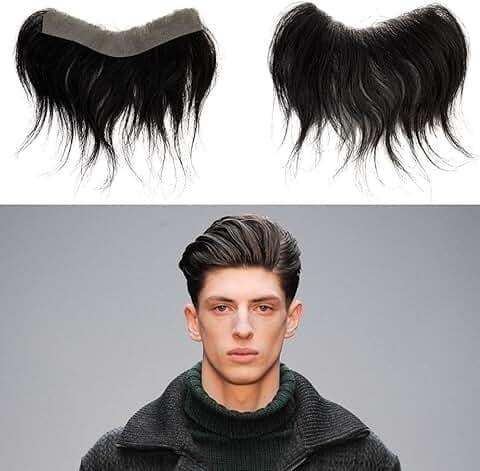
When wigs are used for medical reasons (chemotherapy, alopecia), suppliers typically follow even stricter protocols, often sourcing hair specifically for medical-grade products. Clinics and charitable programs sometimes fund collection drives with informed consent from living donors. These specialized supply channels aim for traceability and patient dignity, directly countering the idea that deceased hair is part of legitimate medical wig offerings.
High-quality virgin Remy hair costs more because supply is limited and processing is careful; cheaper options use mixed-length bundles, reprocessed hair, or synthetic fibers. Price pressure can create incentives for dishonest practices, which is why diligence and transparency matter. However, the commercial drive favors scalable, legally defensible sources: temples, salons, and donor networks, not postmortem hair harvesting.

If you encounter claims that "wigs are made from dead people's hair," investigate these angles: who made the claim and is there documentation? Can the vendor produce batch-level sourcing records? Are there legal filings, recalls, or third-party lab reports to substantiate the claim? Sensational anecdotes without verifiable sourcing should be treated skeptically.
Choose brands that: publish sourcing policies; offer farm-to-finish or donor-to-product traceability; work with vetted collectors and pay fair prices; provide clear definitions for industry terms they use. When feasible, support companies that fund community programs or medical wig donations; ethical purchasing sends market signals that value consent and traceability.
To return to the core search phrase: are wigs made from dead people's hair — the answer, for mainstream commercial production and accredited medical suppliers, is no. The rumor survives because of historical exceptions, a few niche anecdotes, and the opacity of some parts of the global hair trade. Understanding supply chains, industry terminology, and the practical barriers to harvesting postmortem hair clarifies why reputable manufacturers rely on living donors, temple donations, and salon collections. Transparency, documentation, and ethical sourcing practices are your best safeguards as a consumer.
Unless you are dealing with a highly unusual, unregulated supplier or a cultural artifact explicitly made from a deceased person's hair, modern wigs sold through established channels are not made from dead people's hair. Verify claims with documentation, ask direct questions about sourcing, and prioritize vendors with traceable, ethical procurement policies.
