If you are wondering whether a thrift donation site will accept hairpieces, one common search phrase is does goodwill take wigs. This comprehensive guide explains the factors that determine acceptance, how to prepare a wig for donation, what kinds of wigs are more likely to be accepted, alternatives if Goodwill won’t take wigs, and best practices for donating responsibly. The goal here is to make your donation process smoother, to help you understand why stores sometimes refuse certain items, and to outline responsible options for wigs that are not suitable for retail.
The question does goodwill take wigs appears frequently because wigs are both personal and potentially reusable items. People want to donate gently used wigs out of goodwill, to help others, or to recycle items they no longer need. However, not every thrift store has the same policy. Policies can differ by region, by individual store, and by the condition and type of the wig. Goodwill and similar nonprofits must balance safety, sanitation standards, resale value, and local demand when deciding which wigs to accept.
Donation centers handle thousands of items and must protect customers and staff. While many organizations welcome reusable goods, hygiene rules are stricter for items that come into contact with skin and scalps. A wig with persistent odors, visible residue, or signs of pests will generally be refused. To improve your chances when donation centers evaluate a wig, follow cleaning and packaging guidance before you drop it off.
Tip: If the wig is for medical-use recipients (such as people experiencing hair loss due to chemotherapy), consult local support organizations that accept or coordinate wig donations — they may have stricter cleaning or certification standards, and in some cases they accept unwashed wigs if they are packaged and labeled properly for sanitation processing.
Goodwill is a large network of independently operated stores, and policies can vary by geography. Many Goodwill branches accept wigs if they meet quality standards and are clean, but some locations may refer wig donors to specialized partners or medical wig programs. When in doubt, call your local Goodwill donation center and ask: "Does Goodwill take wigs at this location?" This quick step saves time and ensures your gift is directed appropriately.
Pro tip: Even if a Goodwill location can accept wigs, it may prioritize donations that are easier to resell. If your wig is vintage, collectible, or high-end, mention brand labels, fiber content, or original purchase details — staff might route it to a store with clientele that appreciates premium hairpieces.
Not every wig will be appropriate for mainstream thrift stores, but there are meaningful alternatives:
When a wig is accepted and resold, the proceeds typically fund nonprofit programs like job training and community services. If your motivation for donating is charitable impact, you may wish to:
Many donation centers provide receipts for tax purposes, but rules vary. If you want to claim a deduction for your wig donation, request a receipt and keep a record that describes the item, condition, and estimated fair market value. For high-value wigs, professional appraisal guidelines or receipts may be prudent.
To reduce waste and protect consumers, donation centers commonly refuse:
Before you show up at a drop-off location, perform a final inspection and consider whether your wig is something you would buy secondhand. If not, explore recycling or repurposing options instead of donation.
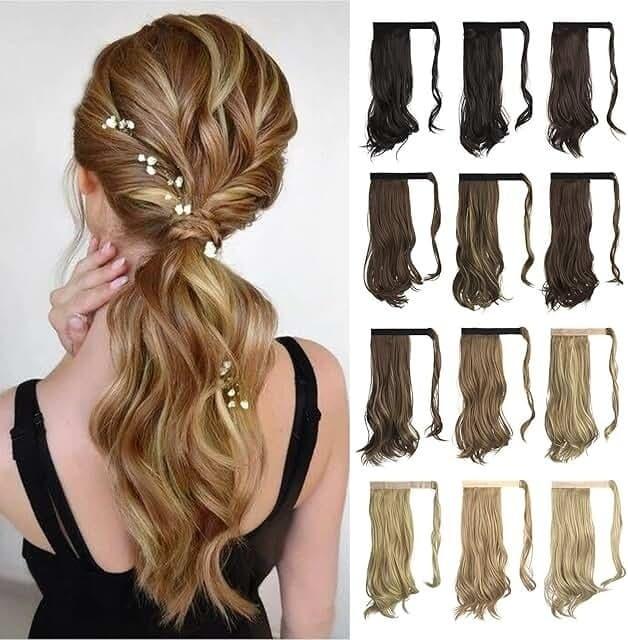
Designer or custom wigs may have significant resale value but might not be recognized by general thrift staff. For these pieces, emphasize brand names, provenance, and special care instructions. High-end wigs often do much better on specialty resale platforms, consignment shops, or vintage stores with a clientele looking for premium hairpieces.
Donating a wig is not just about clearing space; it's also about dignity and usefulness. If the intended recipient is a person experiencing illness, consider donating to programs that specialize in medical wig distribution. Many charities provide wigs for free or at low cost to those undergoing treatment—this direct route can have a powerful personal impact.
When you ask does goodwill take wigs, remember that an affirmative answer is not an automatic guarantee of the wig’s sale or ultimate use. Responsible donation often requires you to match item quality with appropriate receiving organizations.
Small investments of time can make a big difference. Restyling a wig, repairing loose wefts, or replacing broken combs can mean the difference between acceptance and refusal. Keep receipts for any professional maintenance if you hope to claim a tax deduction for a higher-valued item; documentation strengthens the validity of charitable claims.
Ask yourself the following:
If the answer to each is "yes," you are likely ready to donate. If any answer is "no," consider alternatives described above to avoid wasting staff time and resources.
Because Goodwill stores operate regionally, search locally for a policy update or call ahead: "Does this Goodwill location take wigs?" Sometimes a particular store accepts hats and hair accessories but not items that require specialized cleaning. Calling ahead avoids hassle, saves you a trip, and ensures your donation will be directed appropriately.
To sum up the practical guidance around the common question of does goodwill take wigs: many stores will accept wigs that are clean, intact, and properly labeled; however, policies vary and some wigs are better suited to medical charities, specialty shops, or online resale. Preparing the wig carefully, labeling it, and verifying local acceptance are the best steps to ensure your donation helps someone else rather than being discarded.

By following these steps, you increase the odds that your donated wig will be useful to another person and that funds generated will support community services.
Keeping the concept of reuse in mind, a careful approach to the question does goodwill take wigs ensures fewer rejected donations and better outcomes for both donors and recipients. Thoughtful preparation and appropriate routing maximize the positive impact of your generosity.
If you still have questions after reading this guide, contact local organizations directly, and remember that a little preparation goes a long way to ensuring your wig helps someone in need.
