This comprehensive guide explains how to style human hair wigs with professional results, step by step, while keeping a focus on natural-looking lift and long-lasting volume. Whether you are new to wigs or looking to refine your technique, this resource blends practical styling steps, maintenance tips, tool selection, and troubleshooting so the finished look feels authentic and holds up throughout the day. The phrase how to style human hair wig will appear throughout this page wrapped in SEO-friendly tags to emphasize relevance, but the guidance itself remains original, actionable, and adaptable to different hair textures and wig constructions.
Real human hair wigs differ from synthetic options in several meaningful ways: they tolerate heat styling, they can be colored and cut like natural hair, and they typically achieve more convincing movement and shine when styled correctly. However, these advantages come with responsibilities: human hair wigs require careful washing, conditioning, and heat protection to retain volume and prevent premature wear. Learning how to style human hair wig properly improves longevity and ensures the natural volume you create stays put without appearing artificial.
Assemble a tidy workstation with a sturdy mannequin head (styrofoam or canvas), a wig stand clamp, adjustable temperature tools, quality brushes, and targeted products. Planning reduces mistakes and helps you visualize the final silhouette before committing to cuts or chemical changes.
The sequence matters when you learn how to style human hair wig like a pro: cleanse and condition, set a base, define the shape, add texture, and lock with finishing products. Below are carefully ordered steps to deliver volume that looks natural and lasts.
Start with a gentle, sulfate-free clarifying shampoo to remove product build-up. Use lukewarm water and avoid excessive rubbing. Apply a deep conditioner from mid-length to ends, avoiding the roots to prevent weight that can flatten the cap. For true restoration, use a protein-light mask if hair feels weak, otherwise choose moisture-rich conditioners sparingly.
Pat the wig with a microfiber towel—do not wring. For volume at the roots, place the wig on a stand and blow-dry with the head flipped or elevated slightly using your fingers to lift the roots. Use a round brush for the mid-lengths and ends while directing airflow down the hair shaft to reduce frizz. If you prefer minimal heat, use velcro rollers and allow the wig to air-set or use a cool blast to set the shape.
Volume often begins with a good base cut. Add subtle layers around the crown and face to prevent a heavy, flat look. Avoid removing too much length at once—trim conservatively and re-check the balance while the wig is on the mannequin. If cutting bangs or dramatic layers, consider practicing on a less expensive wig first or consulting a stylist experienced with wigs.
Root-lifting is essential for lasting, natural volume. Apply a root-lift spray to damp hair focusing on the crown. Use a round brush and blow dryer, lifting hair directly upward at the root and directing airflow under the strands. For extra support, set the crown in Velcro rollers until fully cool. Another method is a soft backcomb under the top layer followed by smoothing the top layer to conceal teasing—this gives height without visible frizz.
When learning how to style human hair wig, mastering heat tools allows you to create waves, curls, or sleek straight looks. Always spray a lightweight heat protectant and test the iron temperature on an inconspicuous section. For long-lasting volume, create loose waves that lift at the root and provide body through the mid-lengths. Avoid uniform, tight curls that collapse under their weight—opt for alternating directions and varying barrel sizes for a natural finish.
After curling or shaping, use a texturizing spray at the roots and mid-lengths for separation. A few sprays of flexible-hold hairspray at the crown will lock volume without stiffness. If you used backcombing, smooth the top layer carefully to hide teasing and prevent tangles. Finish with a light shine mist if the wig looks dry, but avoid heavy oils near the roots.
Creating baby hairs and a softened part helps the wig sit naturally. Trim small, wispy strands around the hairline, and use a toothbrush with a bit of styling gel for precision shaping. Pluck stray hairs from the part gently (if the wig has a lace front) to create a less dense part—this mimics natural scalp visibility. Blend the edges with foundation or wig glue sparingly to match your skin tone and secure the lace.
Choose a secure method based on activity level: wig grip bands for comfort, double-sided tape for longer wear, or medical adhesive for swimming or heavy perspiration. Be mindful of adhesive removal techniques and always follow manufacturer's instructions to protect both skin and wig base.
Volume that endures requires a combination of structure, product, and technique. Below are targeted strategies.
Color treatments can slightly alter hair texture. When dyeing a human hair wig, avoid excessive processing and deep conditioning treatments that weigh hair down. If you need lifted volume post-color, counterbalance with lighter, volume-enhancing cuts and non-greasy root products.
To keep the style memory of a human hair wig intact: store the wig on a mannequin head between wears, protect styled wigs with a satin cap when not in use, and avoid sleeping in styles unless secured with a silk scarf designed for wigs. Refresh volume on non-wash days with a dry texture spray and gentle hand re-lift at the roots; if the wig loses shape, a quick round brush blow-out will often restore it.
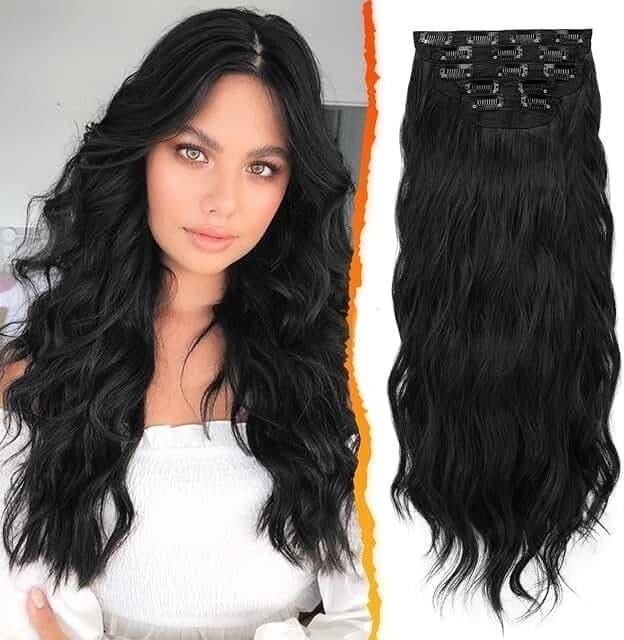
Flat crown: Use targeted root spray, velcro rollers, or gentle backcombing under the top sections; finish by smoothing the surface layer. Frizz: Clarify once to remove product build-up, follow with a light leave-in conditioner, and use heat protectant before smoothing. Heavy, weighed-down wig: Trim some length or add internal thinning layers; avoid heavy conditioners at the roots during washing.
Round faces benefit from volume at the crown with length below the chin; long faces can use face-framing layers and side-swept fringe to balance. Heart-shaped faces look natural with soft waves and volume at the mid-lengths. Use your understanding of face shape to place height and movement intentionally, ensuring the volume appears balanced and natural when you learn how to style human hair wig to match personal proportions.
Frequency depends on wear and activity. For daily wear, a light refresh every 2-3 days and a wash every 10-14 wears is a reasonable baseline. Occasional deep conditioning or protein treatments every 6-8 weeks will preserve elasticity and sheen. Always store styled wigs on a head form if you want to retain a specific style between wears.
Micro-layering through razor cutting delivers natural movement while preserving length. Strategic bleaching or lowlights can add perceived depth, which increases dimension and the illusion of volume when styled correctly. When attaching lace fronts, use minimal adhesive and blend edges with semi-matte products to avoid a shiny, obvious edge.
Mastering how to style human hair wig combines consistent maintenance, the right tools, and stylist strategies that mimic how natural hair behaves. By focusing on root support, appropriate product usage, and structural cutting, you achieve volume that feels and looks real. The skills described here are adaptable, encouraging experimentation while protecting your investment in high-quality human hair.

By internalizing these detailed processes and practicing deliberately, you will gain confidence in how to style human hair wig and produce looks that maintain natural volume and movement over time. Experiment with techniques and tools described above while protecting the fiber quality, and you’ll achieve professional, long-lasting results that blend seamlessly with real hair.
