If you're searching for actionable, safe methods to smooth a synthetic wig without applying heat, you're in the right place. This comprehensive guide focuses on practical, low-risk techniques to reduce frizz, enhance gloss, and prolong the life of artificial fibers. The goal is to demonstrate how to defrizz a synthetic wig without heat using household materials, appropriate tools, and gentle styling methods that respect the fiber structure and preserve shape.
Many synthetic wigs are made from thermoplastic fibers that can melt, warp, or lose their style when exposed to high temperatures. Even heat-friendly synthetics have limits. Heat-free methods prevent accidental damage and maintain fiber integrity. By learning how to defrizz a synthetic wig without heat, you can keep your wig looking fresh, touchable, and long-lasting.
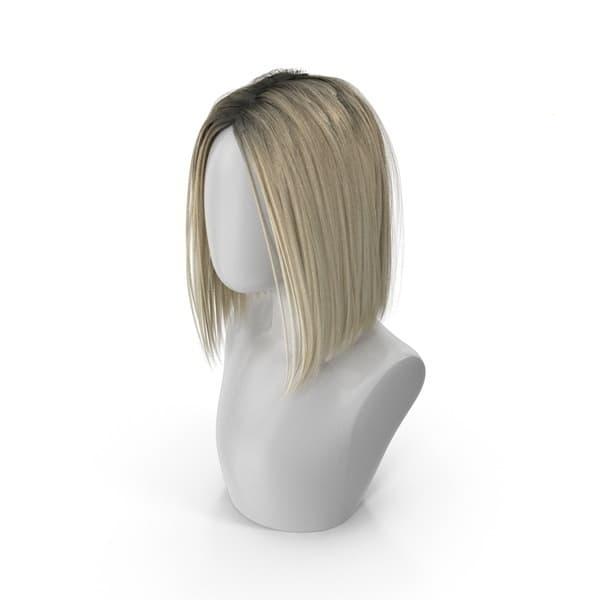
Place your wig on a stand or a clean towel laid on a flat surface. If possible, secure it on a mannequin head so you can style evenly. Section the wig into manageable parts using clips — typically three to four sections depending on density.
Use a wide-tooth comb or a wig brush to remove surface tangles. Start at the ends and slowly work upward to reduce breakage. Avoid harsh pulling; if you encounter a snag, hold the hair above the knot to relieve tension while detangling.
Lightly mist a commercial wig detangler or a DIY mix (one part fabric softener or conditioner to five parts water) over each section. This helps realign fibers and cut static. If you use a store-bought product, choose one labeled safe for synthetic hair. Using such a mist is one of the most accessible and effective ways to learn how to defrizz a synthetic wig without heat.
If the wig needs washing, fill a basin with cool water and add a small amount of mild shampoo. Submerge the wig and swirl gently; do not rub. Rinse with cool water and then apply a wig conditioner, leaving it on for a few minutes before rinsing. Alternatively, you can skip a full wash and use only the detangler spray to reduce frizz.
After rinsing, press excess water out by pressing the wig between a microfiber towel or old cotton T-shirt layers. Do not wring or twist. Place the wig on the stand and allow to air-dry at room temperature. Proper drying prevents frizz from forming and keeps fiber alignment intact.
Below are seven proven, heat-free strategies to tame frizz and brighten synthetic hair.
A diluted fabric softener solution can soften fibers and reduce static. Mix one part fabric softener with four to six parts cold water in a spray bottle, shake well, and mist lightly. Comb gently and air-dry. This trick is especially good for knotty areas and split-style wigs.
Silicone serums create a protective coating that smooths frizz and adds shine. Apply a pea-sized amount to your palms, rub to warm, then lightly run through ends only. Avoid the roots to prevent an unnatural sheen at the scalp.
After washing or applying treatments, finish with a cold water rinse. Cold water helps lay down cuticles and reduce puffiness. For synthetic fibers, cool water maintains fiber integrity and helps lock in conditioning effects.
Brush downwards in gentle strokes starting at the tips, working up to the middle, then back down. Consistent direction reduces friction and aligns fibers for a sleeker appearance. Avoid aggressive brushing which creates static and more frizz.
For especially frizzy areas, dampen a microfiber cloth with the detangler solution and wrap a small section, smoothing with your fingers. Leave it for 10–20 minutes, then remove and comb softly. This method relaxes stubborn tangles without heat.
If your wig has curls or waves that have become frizzy, twist damp sections around your fingers and pin them into soft bends or foam rollers designed for wigs. Let them air-dry completely. This encourages fiber memory without electric heat and reduces frizz while restoring shape.
Proper storage reduces future tangles. Place the wig on a stand or stuff a wig cap inside to keep shape. Cover with a breathable bag to prevent dust. Avoid folding heavy or long wigs for long periods; creases can turn into frizz lines.
When choosing a product, look for labels that say "safe for synthetic hair." If you prefer homemade solutions, try one of these low-cost recipes:
Always test a small hidden area before full application to ensure no discoloration or texture change.
Curly synthetics demand a different approach. Use a curl revival technique: apply a moisturizing spray, then reshape curls with individual finger coils or foam curl forms. Let air-dry thoroughly to prevent frizz.
Be careful near the hairline. Use minimal product and avoid massaging products into the lace area to maintain adhesive and transparency. When learning how to defrizz a synthetic wig without heat, treat the cap and hairline separately for best results.
Long wigs are prone to tangling and frizz at the ends. Regular trims (even small snips) remove split ends. Store hanging or on a stand and lightly mist detangler after each wear to maintain smoothness.
Adopt a routine: light detangle and mist after each wear, wash every 8–12 wears (or when product buildup occurs), deep condition every 4–8 weeks depending on usage, and always air-dry on a stand. Repeating gentle care steps consistently answers the core question of how to defrizz a synthetic wig without heat by preventing frizz before it develops.
If your wig has severe matting, color fading, or structural damage, a professional wig stylist can perform restorative treatments that aren't advisable at home. Many salons offer steam-style reshaping performed by technicians trained to work with synthetics.
Reuse detangler mixes in reusable spray bottles, choose water-based products over aerosol sprays, and air-dry on a reused stand or carefully wrapped head model. These approaches are gentle on both your wig and the environment.
To recap: work gently, use cooling or room-temperature water, employ lightweight detanglers, and choose non-heat styling methods like finger-coiling, foam rollers, and soft cloth smoothing. Mastering these steps will show you how to defrizz a synthetic wig without heat effectively while maintaining fiber health and shine.
Patience is essential: many heat-free techniques take time (air-drying, overnight shaping, or full curing of conditioners), but the payoff is a frizz-free, natural-looking synthetic wig that lasts longer and looks healthier. Whether you need a quick touch-up or a full restoration, these methods will help you protect your investment and maintain a polished appearance without exposing fibers to damaging temperatures.
A: Lightly diluted regular conditioner can work for some synthetic fibers, but always test a small hidden area first. Use a mixture of conditioner and water to avoid heavy residue, and follow with a cool rinse.
A: If overused, yes. Use a tiny amount (pea-sized) and focus on ends only. Silicone adds shine and smoothness but can weigh down fibers if applied excessively.
A: Wash after about 8–12 wears or sooner if you apply lots of products. Light detangling between wears helps reduce the need for frequent washing.
