If you've ever felt unsettled by an obvious hairpiece or regretted a last-minute purchase, this guide will help you recognize telltale signs, repair fit and style problems, and decide on better solutions when confronted with a bad wig. The goal is to empower you to spot worn construction, unrealistic hairlines, and other red flags so you can save money, enhance comfort, and achieve a natural look. Read on for in-depth tips, hands-on fixes, and shopping strategies that search engines favor because they answer real user intent and keep the keyword a bad wig visible and useful across the page.
There are subtle cues that separate a polished, natural unit from a bad wig. Learning these cues prevents wasted time and expense, improves personal confidence, and reduces the need for later corrections. Below are categories to evaluate: material, cap construction, hairline and part, shine, density, and the overall silhouette.
Cap type and internal stitching determine comfort and realism. Cheap caps often have visible machine stitching, thick wefts, and no breathing panels. Look for breathable lace, hand-tied sections in key areas like the hairline, and adjustable straps. If the cap seems bulky or the hair is glued directly to the base without a natural part, you might have a bad wig on your hands.
One of the fastest giveaways of a fake look is the hairline. A natural hairline has irregular baby hairs and an irregular density. A straight, sharply defined line or a full fringe at the root usually signals a mass-produced unit. Similarly, examine the part: if it lacks depth or appears painted on without scalp translucency, that's another red flag indicating a bad wig quality.
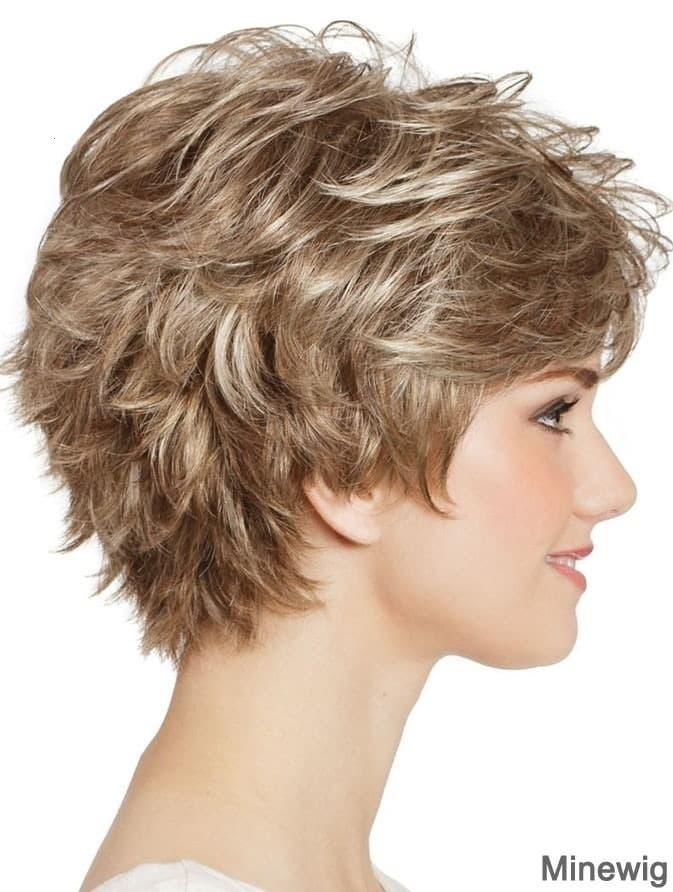
Many fit problems have quick solutions:
Adjustable straps: Most modern wigs include them; tighten gradually until the cap sits snugly behind the ears and at the nape.
Wig grips: Add a foam or velour wig grip to create friction against the scalp—this helps especially with larger caps.
Tape and adhesives: Use specialized wig tape or skin-safe adhesive to anchor the front and/or sides. Test adhesives on a small patch of skin first.
Wig clips and combs: Sew-in or clip-in combs can secure the wig to short natural hair or to a wig cap. Ensure they're placed where they won't pull or cause tension.
For persistent fit problems consider minor alterations at home or by a professional: create small darts to reduce cap circumference, add elastic bands across the nape for a snugger fit, or replace a rigid edge with softer lace for comfort. These alterations turn the impression of a bad wig into a custom piece.
Sometimes the hair itself is fine but styling makes the wig look fake. Try these techniques:
Thin and blend: Use thinning shears to remove excess bulk at the crown, especially around the temples and nape; this smooths heavy weft lines that betray a wig.
Customize the hairline: Pluck a few hairs at the front to create baby hairs and a softer transition. Use a small razor or detailed shears for safety.
Adjust the part: Create a deep or off-center part using a hot comb (for heat-friendly fibers) or building a soft part with dry shampoo and a fine-tooth comb for synthetic units.
Use heat cautiously: For human hair and heat-resistant synthetics, low-to-medium heat can style and flatten unnatural volume. Always check fiber tolerances.
Color mismatches often reveal that the piece is of low quality. To remedy:
Tone down excessive uniformity: Add highlights or lowlights to mimic the subtle variation of natural hair. Temporary color sprays and root touch-up powders can reduce an artificial look.
Match your complexion: If the hair color is too stark against your skin tone, consider professional dyeing for human hair wigs. For synthetics, layer wigs with scarves or hats, or choose pigments that harmonize better in future purchases.
Proper upkeep can transform a marginal unit into an acceptable daily option. Recommended care includes: gentle brushing with a wide-tooth comb, washing with wig-specific products or mild sulfate-free shampoos for human hair, air-drying on a mannequin head to retain shape, and storing on a padded stand to prevent tangling. Neglect typically accelerates signs of a cheap wig and turns salvageable pieces into a bad wig quickly.
Minor issues—thin hairline, bulk at the crown, slight sizing problems—are often cost-effective to repair. However, when the base is falling apart, hair fibers are irreversibly matted, or the cap has severe structural defects, replacement usually offers better long-term value. A sensible rule: repair if the cost is under half the price of a new, higher-quality alternative.
When shopping, consider three main categories: basic synthetic, heat-friendly synthetic, and human hair. Basic synthetics are inexpensive but often reveal a bad wig traits faster. Heat-friendly synthetics offer styling flexibility at a mid-range price and are ideal for frequent style changes without the maintenance of human hair. Human hair provides the most natural look and longevity but demands higher investment and care. Evaluate your budget and priorities (comfort, style versatility, longevity) before choosing.
Buying online saves money but increases the risk of receiving a bad wig. To reduce that risk: read detailed reviews, request high-resolution images from sellers, verify return policies, and choose retailers with transparent fiber and cap descriptions. When possible, test in-store to assess fit, color, and feel; then compare online for the best deals.
Be cautious if the seller uses vague descriptions like "premium look" without specifying fiber type, uses stock photos only, or has inconsistent customer feedback. A genuine quality piece will come with thorough specs, clear photos, and often a warranty or return option. If any of these are missing, you might be looking at a bad wig.
Set a realistic budget that reflects your expected usage: occasional wear, daily use, or professional styling. Spending a bit more on a well-constructed wig with a superior cap, realistic hairline, and better fiber usually results in a more flattering, longer-lasting outcome than repeatedly buying low-cost alternatives that behave like a bad wig.
Wig stylists and reputable salons offer custom fittings, hairline customization, color matching, and cap modifications. Investing in professional adjustments can convert an entry-level wig into a convincing, comfortable piece—often more economical than buying several replacements.
Answering "no" to multiple questions increases the likelihood you are dealing with a bad wig.
Small daily rituals make a big difference: lightly mist with a wig conditioner, gently comb from ends to roots, style with low heat if allowed, and use minimal product to avoid buildup. Concealing the wig edge with makeup or blending with baby hairs improves the natural transition and helps avoid that "wiggy" look often associated with a bad wig.
Those wearing wigs due to medical hair loss should prioritize comfort, breathable caps, and hypoallergenic materials. Consult specialists who can recommend medically appropriate caps and professional fittings to avoid additional stress. The wrong choice here can exacerbate scalp sensitivity and make a functional wig feel like a bad wig.
If sourcing human hair, consider ethical supply chains and transparent vendor practices. Poorly sourced hair may be cheaper but can contribute to unethical labor practices and often correlates with lower quality—another factor that can lead to an everyday impression of a bad wig.
To summarize: learn the signs—unnatural shine, flat or machine-made hairlines, heavy caps, poor fit—and implement immediate fixes like straps, grips, adhesives, or minor cutting to make a unit wearable. If the fundamental cap construction or fiber quality is poor, replace with a better alternative and use the checklist above to avoid another purchase that feels like a bad wig. With attention to material, cap type, styling, and reputable vendors, you can dramatically improve your results and minimize disappointment.
A: Check the hairline and shine: if the hairline looks too straight and the fibers reflect light like plastic, you may have a bad wig. Also test the cap for breathability and adjustable features.
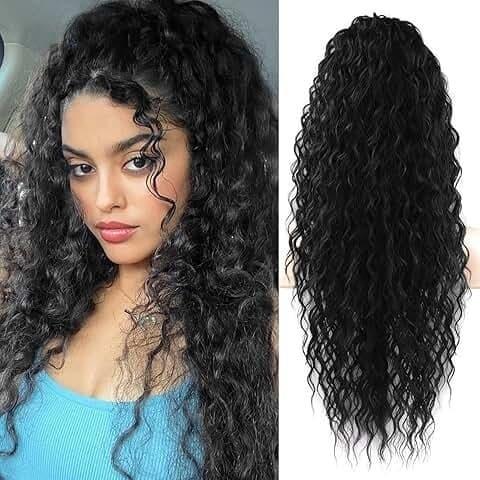
A: To some extent yes—use thinning, add baby hairs, secure with wig tape, and tone the color. However, major cap defects or poor fiber quality are often irreparable long-term.
A: Not always. Modern heat-friendly synthetics can look realistic and are lower maintenance than human hair, but very cheap synthetics are a common source of a bad wig experiences.
A: Human hair wigs typically last 1–2 years with daily wear and proper care; good heat-friendly synthetics can last 6–12 months. Replace sooner if the cap deteriorates or the fibers become irreparably matted.

By following these inspection, repair, and purchase strategies you will reduce the chance of encountering a bad wig again and increase the odds of finding a comfortable, convincing piece that suits your lifestyle and appearance goals.
