A wig with bangs can instantly refresh your appearance, frame your face, and add youthful energy without the commitment of cutting your natural hair. Whether you want a soft curtain fringe, blunt blunt bangs, or textured wisps, choosing the right style and caring for it properly are the keys to a believable, comfortable result. This guide covers styling, cutting, maintenance, and practical tips so you can enjoy a natural, flattering look all year long.
Not all bangs are created equal. Familiarize yourself with popular bangs types so you can match them to your lifestyle and features:
 : very short and trendy, high-maintenance but high-impact for those seeking an editorial look.
Match the fringe to your facial proportions: oval faces can wear almost any style, round faces benefit from longer, angled bangs that elongate, heart-shaped faces look great with side-swept or curtain bangs that balance the chin, while square faces are softened by layers and wispy edges. Color and density matter too: a dense, heavy fringe will dominate a small face; a lighter density preserves balance. When shopping, look at cap construction—lace front wigs with a lightly ventilated hairline provide the most natural look when paired with bangs.
Both options can look realistic, but they require different techniques:
Consider your routine: if you want low upkeep, a high-quality synthetic wig with pre-cut bangs might be ideal, whereas if you like to experiment with styling, choose human hair.
Styling bangs well makes the difference between costume and couture. Here are step-by-step techniques for several common looks:
Trimming bangs on a wig requires different tools and techniques than trimming natural hair. Follow these steps to keep results professional:
Equip your styling kit with:
Proper washing keeps bangs soft and manageable. Frequency depends on oil and product use; bangs usually need more frequent attention than the rest of the wig because they sit at the forehead. Follow fiber-appropriate methods:
Heat settings vary across fibers: human hair tolerates higher temps with protection, synthetics often have strict limits. Always test on a hidden section first. Use a low to medium setting and thermal protectant for human hair. For heat-resistant synthetic wigs always confirm manufacturer guidance and avoid prolonged high-heat exposure.
For a seamless look, combine wig styling and subtle makeup techniques: use a powder or tint to slightly shade the scalp area beneath lace fronts; trim baby hairs on the wig to mimic your own hairline; secure with discreet adhesives or wig tape to avoid visible gaps. If you wear glasses, test how the bangs sit with frames before making a final cut—glasses can push bangs forward or hide shape differences.
Keep bangs fresh with a quick daily routine: shake or finger-comb to restore shape, use a mini brush and a tiny spritz of leave-in conditioner for natural movement, and remove product buildup every few days with a dry shampoo suitable for synthetic or human hair. Store on a stand to retain the fringe shape and protect from dust.
When traveling, keep the wig in a breathable bag, tuck bangs gently with a soft scarf to preserve the curve, and bring a small styling kit with essential tools. For long-term storage, place the wig on a head form and cover it with a silk scarf to prevent dust accumulation while allowing air circulation.
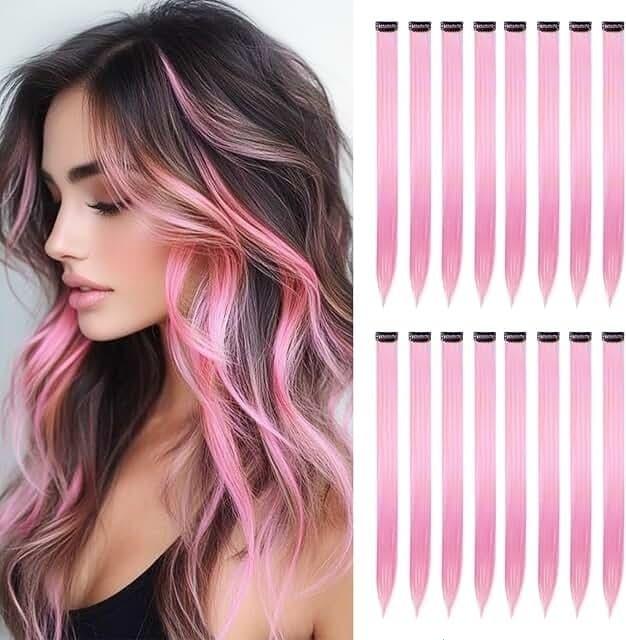
Human hair bangs can be colored or highlighted for a custom effect; proceed with patch tests and professional colorists when possible. Synthetic fibers are generally not dyeable with standard hair dyes—opt for a different wig if you require a color change. For temporary color changes, colored sprays or clip-in accent pieces can add dimension without altering the wig permanently.
Many novices over-cut bangs or use blunt horizontal cuts. Avoid these mistakes by using point-cutting technique, trimming small amounts, and testing how the bangs interact with movement and facial features. Another frequent issue is product buildup; reduce heavy waxes and gels near bangs to keep them soft and natural. Lastly, mismatching density is common: if the fringe is too dense, thin with thinning shears; if too thin, consider a fuller wig or clip-in fringe sections for reinforcement.

Consider consulting with a wig stylist for cutting, color-matching, and lace customization (plucking baby hairs, tinting lace) to achieve a seamless, natural effect. A stylist can advise on cap size, parting placement, and how bangs will frame your profile in different lighting conditions.
Hats, sunglasses, and scarves change how bangs sit—test combinations before commitments. In humid months, use anti-frizz products and humidity-resistant sprays approved for your wig fiber. In dry seasons, add a lightweight hydrating mist for human hair wigs to avoid static and brittleness.
Good wigs can be a sustainable fashion choice when maintained and restyled over time. Efficient care and occasional professional reshaping extend life expectancy. If budget is a concern, choose a high-quality synthetic wig with a heat-friendly label or a human hair blend that balances cost and realism.
Problem: bangs look too heavy—solution: use thinning shears or a stylist to feather ends. Problem: visible lace at the hairline—solution: tint the lace slightly or create baby hairs for camouflage. Problem: frizz and static—solution: use fiber-appropriate anti-static sprays and avoid over-brushing synthetic fibers.
Short maintenance schedule for a fresh, believable fringe:
Rotate wig wear days to reduce wear on the fringe, keep a backup clip-in fringe for sudden changes, and avoid sleeping in your wig unless it's specifically designed for sleep to prevent tangling and flattening of the bangs.
Use pinning, braids, and temporary styling—roll bangs under for a retro look, clip them into a faux side-swept style, or weave small decorative ribbons through a braided crown to change the vibe without losing length.
Choosing and maintaining a believable wig with bangs is about proportion, material knowledge, and gentle styling. Favor conservative trims, use fiber-appropriate care products, and invest in a few professional services to perfect the hairline and density. With attention and the right tools, a fringe can be your quickest route to a fresh, flattering identity that feels authentic and easy to manage.
If you want personalized advice, bring photos of the look you like and your face shape to a wig professional; they can customize length, density, and parting to your needs.
Trim conservatively every 2–4 weeks depending on wear; human hair may need more frequent attention if styled daily, synthetic less so. Always trim little by little.
Only if the wig is labeled heat-friendly—use the lowest heat recommended and test a hidden section first. When in doubt, use steam or low-heat tools approved by the manufacturer.
Create baby hairs, slightly pluck the lace front for a softer part, and use tinted scalp powder to reduce contrast. A delicate hand when trimming and blending will improve realism.
Note: this guide emphasizes safe techniques and conservative cuts to protect your wig investment and your confidence. Explore, experiment responsibly, and when unsure, consult a professional stylist.
