If your wig looks unnaturally shiny under lights, you are not alone. Many synthetic wigs have a reflective surface that, while it can look healthy in photos, often appears plastic or artificial in real life. This guide explores practical, safe, and SEO-minded techniques focused on how to get the shine out of a synthetic wig using easy home remedies, careful washing routines, professional products, styling adjustments, and long-term care tips. Expect step-by-step routines, DIY formulas, troubleshooting help, and pro tips so you can enjoy a realistic matte finish that complements your look.
Understanding the cause helps you choose the right approach. The shine often comes from manufacturing finishes such as silicone coatings and smooth synthetic fibers (like kanekalon, toyokalon, or other heat-friendly blends) that reflect light. Everyday factors also worsen shine: skin and scalp oils, hair products with silicones, buildup from sprays, and friction from hats or storage bags. Environmental oils from hands or makeup transfer onto fibers and increase gloss. To address how to get the shine out of a synthetic wig, you must remove surface oils, adjust fiber texture, and choose gentle, mattifying agents that won't damage heat-sensitive fibers.
Light powders can absorb surface oils and reduce shine temporarily. Try these carefully: baby powder, cornstarch, or dry shampoo. Apply sparingly: use a powder puff or a soft makeup brush to dust the wig lightly, focusing on the areas that show most shine (crown, roots). Then use a soft brush to distribute and remove excess. Over-application will look dusty and unnatural, so less is more. For how to get the shine out of a synthetic wig, powders are a quick fix between washes but not a replacement for proper cleaning and matte products.
One effective home remedy is a diluted hairspray or matte spray. Use an alcohol-free, non-sticky matte setting spray and dilute it with distilled water in a fine mist bottle (approx 2 parts water to 1 part spray). Mist lightly from 12–18 inches, allow to dry, and then style gently. Alternatively, make a DIY de-gloss solution by mixing 1–2 teaspoons of rubbing alcohol-free witch hazel with distilled water and one drop of a non-silicone leave-in conditioner; test on an inconspicuous section first. These sprays help reduce light reflection while avoiding stiff, crunchy textures when used sparingly.
For long-term results consider investing in products made explicitly for synthetic hair: matte finish sprays, silicone-free fabric softeners formulated for wigs, and anti-static agents that do not add shine. Many wig suppliers sell 'deduster' or 'mattifier' sprays. Use them per instructions and do a small patch test. Professional de-shine sprays are formulated to change the light-reflecting properties without drying fibers out.
Maintaining a matte finish includes regular light cleaning and careful product choices. Avoid silicone or oil-based conditioners, serums, or heavy styling products that add reflective layers to fibers. Instead use silicone-free, sulfate-free formulations and rinse thoroughly. Do not sleep in your wig unless it's made for overnight wear; friction with pillows and transfer of skin oils increases gloss over time. Store the wig on a breathable stand in a cool, dry area away from direct sunlight and humidity; enclosed plastic bags can trap oils and make shine worse.
When only a small area shines (like the hairline), use a small amount of cornstarch or baby powder applied with a clean cotton swab, wait a minute, then brush gently. Alternatively, a cotton pad slightly dampened with diluted vinegar (1:8 vinegar to water) can remove oils; blot — do not rub — and let air-dry. Test first to ensure the pad doesn't change fiber texture.
Avoid harsh detergents, high heat, and oil-based serums. Do not use silicone serums or products labeled 'smoothing' because they usually increase shine. Avoid using fabric softener sheets directly on fibers; their residues can add glossy buildup and attract dust.
Wig specialists sometimes use controlled de-greasing sprays and professional-grade mattifying agents followed by reshaping on a mannequin head. They may also lightly backcomb or add micro-texture at roots to break up reflection. Colorists may use semi-matte sprays that contain micro-pigments to subtly reduce shine while preserving color depth. If you value long-term results and the wig is expensive, consider professional maintenance every few months.
Always perform a patch test when trying any chemical or unfamiliar product. Choose an area that's less visible, apply the product, wait 24 hours, and check for color change, texture change, or fiber damage. If the patch looks natural and undamaged, proceed to full application with confidence.
If you need a fast correction before going out, try these quick tips: blot the most reflective spots with a small tissue to remove light oil, lightly apply a tiny amount of dry shampoo or baby powder to the crown, or use a diluted matte hairspray from a distance to reduce reflectivity. Remember: quick fixes are temporary. For sustained, natural-looking results follow a proper cleaning and matting routine described above.
Darker and richer colors can hide shine more easily than very light blondes because darker fibers absorb more light. If you have a pale shade that looks glossy, consider a very subtle toner or a professional semi-matte color touch-up specifically for synthetics to reduce reflective highlights while preserving color vibrancy.
Synthetic lace-front wigs: be extra careful around the lace and hairline—use minimal product and avoid powders that might stick to adhesive. Short synthetic styles: shorter fibers can be easier to mattify since they reflect less light when textured. Long and straight wigs: these often show the most shine; use layered cutting and texturizing sprays to break up reflection, and avoid heavy conditioners.

Humid conditions can make fibers look limp and more reflective because moisture flattens texture. Keep your wigs in a climate-controlled area when possible and avoid leaving them near humid bathrooms or in direct sun, which can both alter the fiber surface and increase visible gloss.
Rotate wigs if you wear them daily to avoid accelerated buildup. Create a maintenance schedule: a light clean every 7–10 wears, deeper clean every 3–6 weeks depending on use, and a professional refresh every 6–12 months for higher-end synthetics. By following these steps and being selective with products, you’ll solve the core factors that cause unnatural shine and maintain a naturally matte finish.
When writing or publishing content about how to get the shine out of a synthetic wig, emphasize practical keywords naturally: terms like 'de-gloss synthetic wig', 'matte spray for wigs', 'remove shine from wig', and 'home remedies for shiny wig' add semantic richness and support search intent. Use headings (
If you’ve tried cleaning, powders, and matte sprays yet shine persists, the wig may have heavy factory coatings or irreparably slick fibers. At that point, consider: (a) consulting a professional wig stylist for a deep matting treatment, (b) swapping to a wig made of low-luster synthetic fibers or human hair if budget permits, or (c) adding micro-texture via cutting and styling to disguise gloss. Never over-process synthetic fibers with harsh chemicals or high heat; replacement is often safer than risking permanent fiber damage.

Always follow manufacturer care labels. Do not use bleach, strong solvents, or high-temperature irons unless the wig is labeled heat-safe. Keep products intended for human hair with silicone or heavy oils away from synthetic wigs, as these will increase shine and attract dirt.
To summarize the best approach to how to get the shine out of a synthetic wig: clean gently and regularly, remove surface oils with powders or vinegar rinses, use mattifying sprays made for synthetics, add texture via cutting or texturizing products, and adopt preventive habits that avoid silicone and oil-based buildup. For stubborn shine, consult pro products or a wig technician. With a mix of home remedies and professional products you can maintain a natural, matte appearance that matches real hair under a range of lighting conditions.
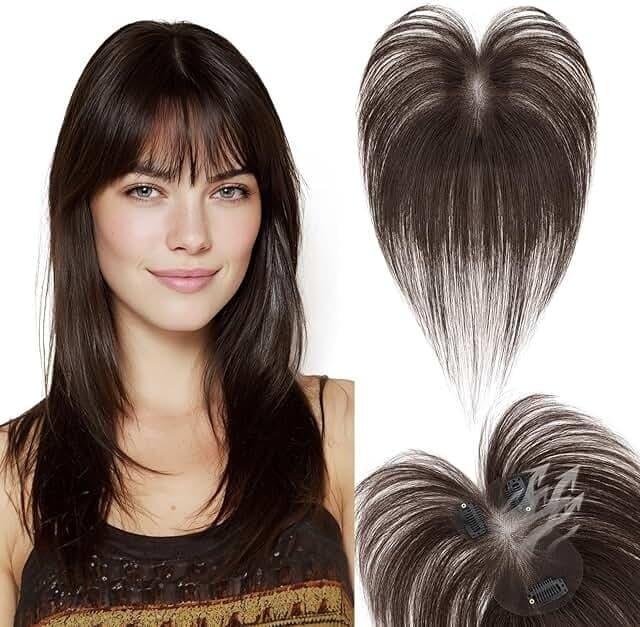
Expect that some level of sheen is normal for many synthetic fibers. The goal is not always to remove every trace of shine but to reduce reflective glare enough for the wig to read as natural on camera and in person. Combine cleaning, powdering, light texturizing, and the right styling approach to get the most consistent, natural results.
FAQ
Yes, in small amounts and applied carefully. Baby powder or cornstarch absorbs oils and reduces shine temporarily; apply lightly and remove excess to avoid a dusty look. Always test in an inconspicuous area first.
Only if the wig is labeled heat-resistant. A very low setting used sparingly can alter fiber alignment and reduce gloss, but misuse can melt or damage fibers. Check manufacturer instructions and perform a patch test.
Sometimes light washing and a vinegar rinse help, but heavy factory treatments may not be fully removable. If washing doesn't help, professional matting services or replacement may be needed.