Being curious about someone’s hairstyle is normal, and sometimes people wonder how can you tell if someone is wearing a wig without making the other person uncomfortable or jumping to conclusions. This detailed guide explores subtle cues, professional techniques, and social etiquette so you can learn to observe respectfully. The goal here is not to encourage invasive behavior but to give observers a set of careful, nonjudgmental indicators and expert tips that allow for polite recognition and better-informed conversations when necessary.
There are many reasons people want to identify a wig: medical concerns, styling curiosity, professional needs (actors, stylists, photographers), or simply human curiosity. Understanding the motivations helps frame the way you look for signs—curiosity can be satisfied without violating privacy. When you search for ways to tell, think of intention and sensitivity first. Use observation, not confrontation. Below we present a balanced mix of visual, tactile, and behavioral indicators with context and etiquette.
Different constructions reveal different clues. Synthetic wigs, heat-resistant synthetics, machine-made designs, hand-tied lace-fronts, monofilament tops, and custom medical systems each leave their own subtle signature. Knowing the differences helps refine answers to how can you tell if someone is wearing a wig because matching signs to construction reduces false positives.
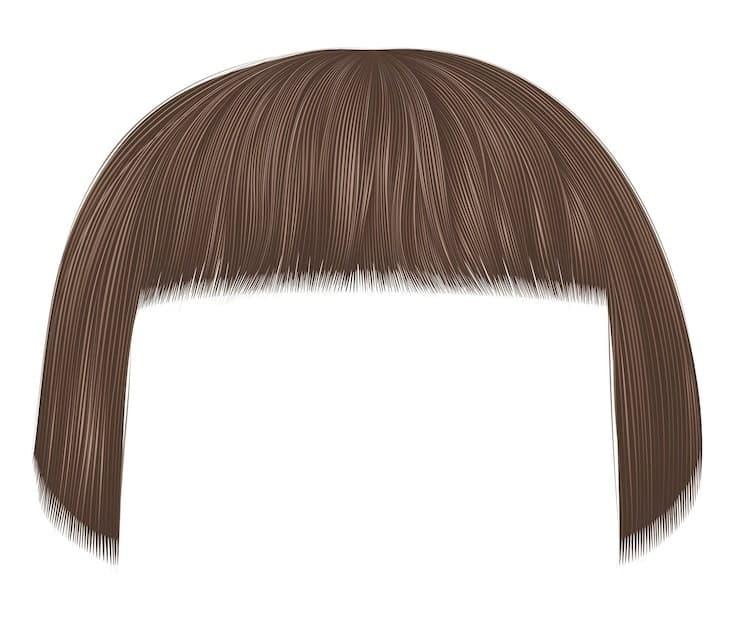
Below are nine discreet indicators to help you answer the question how can you tell if someone is wearing a wig without being intrusive. Each sign alone isn't proof; combined patterns and context give a clearer picture.
A natural hairline often varies in density and irregularity. A wig hairline—even a lace front—may still display tiny repeating patterns or a slightly too-perfect edge. Look for micro-repetition of hair spacing or a uniformity at the edge of the hairline. If the part maintains the exact same width and placement day after day in photos, that consistency can be a clue.
Synthetic fibers may reflect light differently than natural hair; they can appear glossier under soft light and slightly plastic-like under harsh or fluorescent light. Human-hair wigs will behave more naturally under varied lighting, but perfectly uniform texture across the entire head—especially when combined with an immaculate shape—can hint at a wig.
Natural hair moves in multiple layers and has inconsistent spring and weight. Wigs—especially those with nylon or heavy wefts—often move as a single mass or return to a predefined shape quickly after disturbance. Observing movement in a casual, non-invasive way (e.g., in a candid photo or while walking outdoors) can provide clues to answer how can you tell if someone is wearing a wig.
Natural hair usually shows variations in thickness and distribution, with finer areas near the temples and a gradual change toward crown density. Many wigs have very even density, especially around the crown and nape. If density looks suspiciously homogeneous, that’s a subtle indicator.
Natural parting often reveals the scalp with irregular widths and small hair clusters. Lace-front and monofilament wigs try to mimic this but sometimes show a faint mesh pattern or knots at the base of strands. A closer view may reveal micro-knots or a slightly matte sheen where the scalp should be.
Notice how hair meets skin around ears and nape. A well-applied wig will be seamless, but when hairline edges sit slightly off or when short baby hairs are missing or uniform in length, it can be a clue. Also watch for repeated styles that never reveal small flyaways near the temples—natural hair often has stray shorter hairs.
If you spot an abrupt, uniform root color or perfectly consistent highlights with no visible dye lines or regrowth, it could indicate a wig. Natural hair frequently shows subtle regrowth, multi-tonal undertones, and varied roots unless meticulously maintained. Uniform root-to-tip color in every photo can be a sign.
Occasionally, small clips, tapes, or bands used to secure wigs peek out at the hairline or nape, especially after activity. These glimpses are rare but definitive when observed. A careful look while the person adjusts their collar or moves their head down may reveal an attachment edge.
Wigs allow instantaneous, flawless transformations in length, volume, and color without growth time. If someone instantly cycles between lengths or colors in consecutive appearances with identical uniformity, that's a clear indicator that wigs, extensions, or toppers may be involved. This sign is especially strong combined with others listed above.
Recognizing how can you tell if someone is wearing a wig requires discretion; here are professional strategies used by stylists and costume designers to confirm without offense:
Professionals rely on a combination of touch, inspection and experience. They may gently lift an edge to inspect the inside of a cap, look for a seam along the nape or temple, or ask for a quick demo of brushing routine. For public interactions, stylists emphasize privacy and consent; they never expose someone publicly without permission.
Only touch hair with consent. In a salon, patient, client, or talent situations, touching is normal. In social contexts, asking “Can I touch your hair? I love the texture” is more polite than making assumptions. This allows you to learn while being considerate.
Many natural traits mimic wig characteristics. Treat each indicator as part of a broader pattern. Common false positives include naturally glossy hair, chemo regrowth patterns that look uniform, or professional salon blowouts that mimic wig movement. Avoid assuming based on one attribute alone.
Even if you deduce the answer to how can you tell if someone is wearing a wig, respect privacy. If you must ask, frame it with sensitivity: “Your hair looks amazing—do you mind sharing how you achieve that look?” Avoid blunt questions like “Is that a wig?” which can feel accusing. If the topic arises organically, be supportive and curious, not interrogative.
Disclosure matters in intimate settings, medical contexts, or professional requirements. Respect someone’s timeline for sharing—if they reveal hair loss or medical treatment, respond with empathy and support rather than spectacle.
People wearing wigs often follow specific care routines: specialized products, periodic adjustments, and particular storage practices. You may observe consistent freshness in volume or pristine ends that never split—signs of a maintained hairpiece. If someone mentions adhesives, wig tape, or cap sizes in casual talk, these are direct hints.
Some individuals use wigs seasonally or rotate between several. Repetitive, perfectly preserved styles across seasons or identical hair in unpredictable climates can be a clue. Observing subtle seasonal behavior (e.g., sudden switch to short hair in winter photos that persists unchanged outdoors) helps form a better answer to how can you tell if someone is wearing a wig.
If someone shares their wig story—whether for fashion, convenience, or medical treatment—express curiosity, gratitude for their trust, and empathy. Avoid making the disclosure about your astonishment; instead, ask questions like “What made you choose this style?” or “Do you have any tips for wig care?” That keeps the conversation empowering and informative.
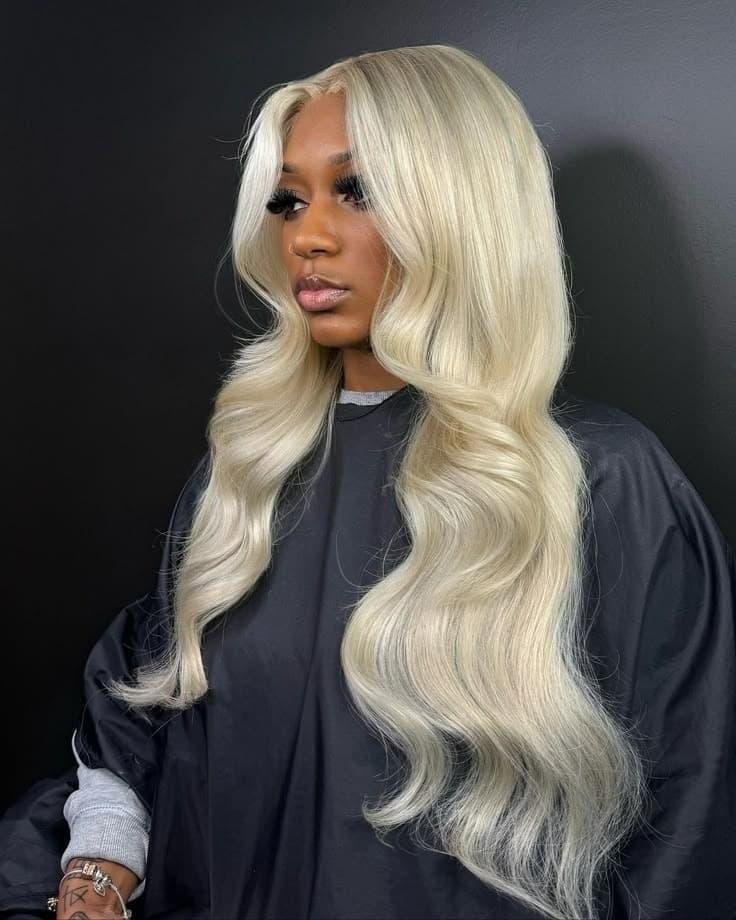
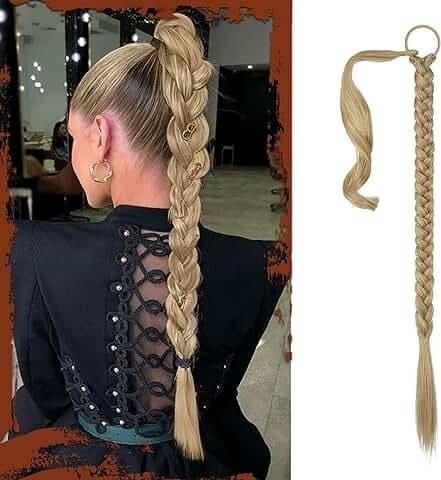
Not all hair enhancements are full wigs. Toppers, clip-ins, extensions, and partial pieces each leave distinct signals. For instance, toppers attach near the crown and may reveal a different texture only at the top, while extensions may affect movement and parting but leave a natural hairline. Knowing these distinctions sharpens your ability to determine how can you tell if someone is wearing a wig versus using partial enhancements.
Mastering how can you tell if someone is wearing a wig is about careful observation, pattern recognition, and, above all, respect for personal boundaries. Use the signs and techniques here as a guide, not a social license. Prioritize empathy and consent; when in doubt, allow people to disclose in their own way and time.
For professionals and curious readers, look for resources on wig construction, lace-front techniques, and medical wig providers. Books and workshops for stylists go deeper into identification and ethical practices. Community groups and support organizations also offer insight into lived experiences with hair loss and hair alternatives.
1) Observe multiple indicators rather than a single trait. 2) Prioritize context, consent, and supportive language. 3) When asking questions, be neutral and kind. 4) Remember many people wear hairpieces for celebratory or necessary reasons—respect remains essential.
A: None of the signs guarantee a definitive conclusion by themselves; their power comes from combination and context. Professionals use a mixture of visual cues and respectful inquiry.
A: It can be sensitive. Ask only if you have a reason and frame questions gently—focus on styling curiosity rather than invasive probing.
A: High-quality, custom-fitted wigs—especially hand-tied lace-front human-hair pieces—can look extremely natural. However, even premium pieces may show subtle signs under close scrutiny.
Overall, learning how can you tell if someone is wearing a wig should enhance your empathy and awareness rather than fuel gossip. Use this knowledge to appreciate craftsmanship, support those who choose hairpieces, and maintain dignity in all interactions.
