how do you wash wigs Expert step by step guide to washing, conditioning and drying for synthetic and human hair
Time:2025-11-28 Click:
Complete guide: caring for your wig from wash to wear
Maintaining a wig so it looks natural, lasts longer and remains comfortable starts with knowing the basics of cleaning. If you've been searching for how do you wash wigs and want an approachable, professional set of steps for both synthetic and human hair pieces, this long-form guide breaks everything down into practical, searchable, and SEO-friendly advice you can reference whenever it's time for a wash.
Why the right cleaning method matters
Understanding how do you wash wigs correctly reduces tangling, color fade and cap deterioration. Whether synthetic or human hair, wigs require tailored care: the fiber type dictates which shampoos, conditioners and drying methods will preserve the shape and texture. This section explains science-backed reasons to follow a precise routine and why skipping steps leads to damage.
Key differences between fiber types
Synthetic fibers: pre-styled, heat-sensitive, and prone to frizz if exposed to hot water or aggressive scrubbing.
Human hair: behaves like natural hair, tolerates gentle heat, and benefits from deeper conditioning and occasional protein treatments.
Blend wigs: contain both fibers and require compromises—usually shampooing with a gentle formula and conditioning sparingly.
Essential supplies before you begin
Gather these items before starting to wash: a wide-tooth comb or wig brush, sulfate-free shampoo (or a specially formulated wig shampoo), lightweight conditioner, microfibre towel, wig stand or mannequin head, basin or sink with temperature control, satin or silk scarf for storage, and optional detangler or leave-in spray. When people wonder how do you wash wigs, prepping the right products is the first tip most pros recommend.
Step-by-step: washing synthetic wigs
Follow these steps when your piece is fully synthetic; each stage highlights why it matters for maintaining synthetic fibers while answering the practical question of how do you wash wigs that many beginners ask.
Detangle gently: Before any water, use a wide-tooth comb to remove knots starting at the ends and working up to the roots. This prevents matting after wetting.
Fill basin with cool water: Synthetic fibers should never meet hot water. Cool water keeps the style and prevents melting or warping of fibers.
Add a small amount of wig-safe shampoo: Mix a teaspoon in the water; avoid harsh sulfates. Submerge the wig and gently swish—no rubbing or twisting.
Rinse thoroughly: Use cool, running water until suds are gone. Keep the cap and hairline intact when rinsing to avoid loosening wefts.
Apply conditioner sparingly: Use a tiny amount of wig-specific conditioner on the mid-lengths and ends—avoid the cap. Leave for 2-5 minutes then rinse with cool water.
Dry properly: Gently blot with a microfibre towel—do not wring. Place the wig on a stand to air dry away from direct heat and sunlight. If storing while damp, stuff the cap lightly with tissue to retain shape and prevent mildew.
Common mistakes for synthetics
Using hot water or hair dryers on high heat.
Applying regular conditioners to the cap or roots.
Brushing wet without detangler spray.
Step-by-step: washing human hair wigs
Human hair wigs are versatile but need a gentler, more detailed approach. If your question is how do you wash wigs that are human hair, this is the routine recommended by stylists for salon-grade results at home.
Prep and detangle: Use a wide-tooth comb or a specialized wig brush. Start from the ends and work upwards.
Use lukewarm water: Human hair tolerates slightly warmer water than synthetic but avoid hot water which can open the cuticles and cause color loss.
Apply a sulfate-free, color-safe shampoo: Massage the shampoo gently through the strands—avoid aggressive scrubbing of the cap.
Rinse and repeat if necessary: Rinse fully and repeat shampoo only if the piece was heavily soiled or had product build-up.
Deep condition: Apply a rich conditioner from mid-length to ends and allow it to sit for 5-15 minutes. For extra nourishment, use a deep conditioning mask once every 4-6 washes.
Rinse with cool water to seal cuticles: A final cool rinse helps smooth the hair and adds shine.
Remove excess water without squeezing: Pat with a microfibre towel and blot. Do not twist.
Air-dry on a stand or mannequin: This preserves the cap shape and prevents stretching. If heat styling is needed, use a heat protectant and keep temperatures moderate.
How often should you wash a wig?
The frequency depends on wear patterns and environment. A good rule of thumb: for daily wear, wash every 10-14 wears; for occasional use, every 20-30 wears. If you exercise in the wig or wear it in polluted environments, increase frequency. This FAQ-style consideration answers a common variation of how do you wash wigs by linking cleaning frequency to lifestyle.
Before washing: spot cleaning and quick-care tips
Not all dirt requires a full wash. For light dust, use a damp cloth or a gentle spray of wig refresher. To remove localized stains from makeup or sweat, use a small amount of shampoo on a cotton pad and dab—then rinse the area carefully. Knowing these methods reduces the number of full washes and extends the life of any wig.
Advanced care: color-treated, styled, and vintage wigs
Color-treated human hair wigs need color-safe care similar to natural color-treated locks. For wigs with permanent styling (rollers, perm-like textures) avoid overwashing and choose strengthening shampoos. Vintage or delicate lace-front pieces may need professional cleaning; when uncertain, consult a wig technician. These nuances help refine your understanding of how do you wash wigs across many types.
Drying and styling: preserving shape and integrity
Drying is as important as washing. Air drying on a stand helps caps maintain their original fit. For synthetic wigs, never use heat-styling tools unless the wig is labeled heat-friendly—and even then, use very low heat. For human hair, always apply heat protectant and avoid excessive flat ironing to reduce split ends. For styles you want to hold, use lightweight, wig-safe styling products and avoid oil-based products that can weigh down fibers.
Storage, protection and travel
Store wigs on stands or in breathable containers. For long-term storage, keep them in silk or satin bags and away from humidity and pests. Traveling? Use a travel case designed for wigs or a stiff container to prevent crushing. Proper storage influences how often you'll need to address the question how do you wash wigs, because well-preserved pieces collect less dirt.
Detangling, combing and daily maintenance
Daily maintenance reduces the need for washes. Use a detangling spray and a wide-tooth comb to prevent knots. For lace fronts, always comb from the ends toward the lace to avoid loosening it. Maintain a gentle touch: treating a wig roughly accelerates wear and drives repeated washing.
Common problems and troubleshooting
If you notice matting, heavy tangling, discoloration, or odor that won’t disappear after washing, consider professional services. Some issues like adhesive residue or severe cap damage are best resolved by a technician. For milder problems, repeated careful washing with clarifying—but wig-safe—products can help.
Tip: Avoid household detergents and fabric softeners—they can damage wig fibers and reduce lifespan.
Checklist: stepwise summary of how do you wash wigs
Use this quick checklist when you're ready to clean a wig:
Detangle
Prepare water (cool for synthetics, lukewarm for human hair)
Use wig-safe shampoo
Rinse thoroughly
Condition appropriately
Rinse with cool water
Blot dry, never wring
Air-dry on a stand
Style gently
Preserving volume and shape
To keep volume, use padding or a domed stand when drying and store with light stuffing to keep contours stable. If curls lose shape, consider setting them with low heat on human hair, or purchasing replacement synthetic curl sets if the original curl is irretrievable.
Safety and hygiene considerations
When multiple people use wigs (for theater or fittings), practice hygiene: clean between uses, sanitize the cap area, and consider liners or nets to protect the wig from scalp oils and makeup. Hygiene extends the life of a wig and reduces frequent washing need—another practical angle to the question how do you wash wigs.
When to seek professional help
Seek a wig professional if the cap becomes misshapen, lace tears, major discoloration occurs, or specialized restoration is required. Some restorative shampoos and rebonding services can bring a damaged wig back to life—experts evaluate fiber type and damage level to recommend the right approach.
Final notes: confidence in your care routine
By now the path from curiosity—wondering how do you wash wigs—to confident practice should feel clear. Selecting the right products, using gentle techniques and paying attention to drying and storage will keep your wig looking natural and vibrant for longer. Every time you clean properly, you preserve both the aesthetic and structural integrity of the piece.
If you remember one thing: treat the wig as you would a high-quality garment—gentle cleaning, proper drying, and mindful storage. This combined approach is the professional answer to how do you wash wigs that yields the best long-term results.
Optional quick-reference: do's and don'ts
Do use wide-tooth combs and wig-specific shampoos.
Don't use hot water on synthetic wigs.
Do air dry on a stand to preserve shape.
Don't rub or wring
Do store in breathable, padded cases
Further reading and resources
Explore manufacturer care cards, professional wig salons, and community forums for model-specific tips. Different brands and cap constructions sometimes have bespoke instructions that can further refine your washing routine.
FAQ
Below are concise answers to common follow-ups about washing and maintaining hairpieces.
Q: Can I wash a wig every day? A: No, frequent washing strips fibers and reduces lifespan; follow usage-based frequency guidelines.
Q: Is it safe to heat-style human hair wigs? A: Yes, with heat protectant and moderate temperatures—avoid excessive daily heat exposure.
Q: How do I remove adhesive residue? A: Use a specialized adhesive remover and follow with a gentle shampoo and conditioning; if unsure, consult a technician.

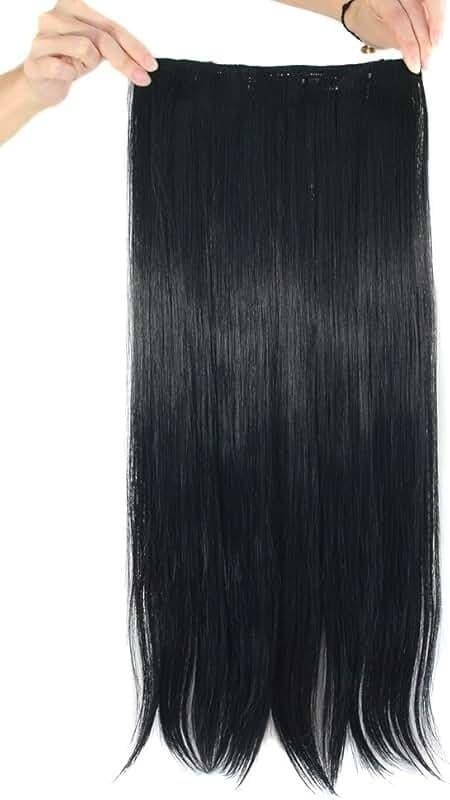 Gently blot with a microfibre towel—do not wring. Place the wig on a stand to air dry away from direct heat and sunlight. If storing while damp, stuff the cap lightly with tissue to retain shape and prevent mildew.