If you've ever wondered how to style synthetic wigs so they look natural, stay intact through wear, and keep their shape longer, this comprehensive, seo-friendly guide will walk you through everything from tools and preparation to finishing touches and long-term care. Synthetic hair has come a long way; with the right approach, styling artificial fibres can yield soft, realistic movement and durable styles that rival human-hair wigs. Below you'll find a structured, detailed workflow that covers non-heat and low-heat options, product recommendations, troubleshooting, and tips for extending the life of your synthetic units.
Choosing to learn how to style synthetic wigs unlocks more versatility from your collection. Unlike human hair, synthetic fibers respond differently to heat, products, and manipulation. Mastery of best practices prevents frizz, avoids irreversible changes, and helps preserve the original style or intentionally reshape it without damage. This benefits styling longevity, cost-effectiveness, and overall appearance — key metrics for anyone optimizing content or products around wig styling topics.
Preparation is a cornerstone of any lasting style. Begin by assessing the wig’s construction — lace front, monofilament top, hand-tied or machine-made cap affects parting and how you blend your hairline. Always place the wig on a stand to allow even shaping and effective access to the cap.
Next, gently detangle from ends to roots using a wide-tooth comb. If the wig is dusty or has product buildup, consider a light, appropriate wash using a shampoo formulated for synthetic hair. After washing, shape the wig on the stand and let it air dry completely. Never wring or rub. For deeper conditioning, use silicone-free or specified synthetic wig conditioners sparingly to preserve coatings designed to maintain curl or sheen.
Non-heat techniques are the safest and often the most effective for longevity. Here are detailed step-by-step methods:
Only a minority of synthetic wigs are heat-resistant. If the label indicates thermal tolerance (usually up to a specific temperature), you can use low-heat tools (often below 300°F/150°C). Follow these rules when using heat:
If your unit is not heat-safe, skip this section and stick to non-heat methods. Even heat-safe synthetics will eventually break down with frequent high-temperature styling, so reserve heat for occasional reshaping.
Below are concrete recipes to achieve popular silhouettes while respecting fiber limitations:
For a flowing, layered style that reads natural: place your wig on the stand, create soft face-framing layers by trimming small amounts with texturizing scissors (ideally done by a stylist). Set the body with large rollers or twist-and-pin methods to introduce movement. Once dry, separate layers with your fingers and use a drop of silicone-free serum to add sheen without weighing the hair down. When applying product, always emulsify in your palm first and target mid-lengths to ends rather than roots.
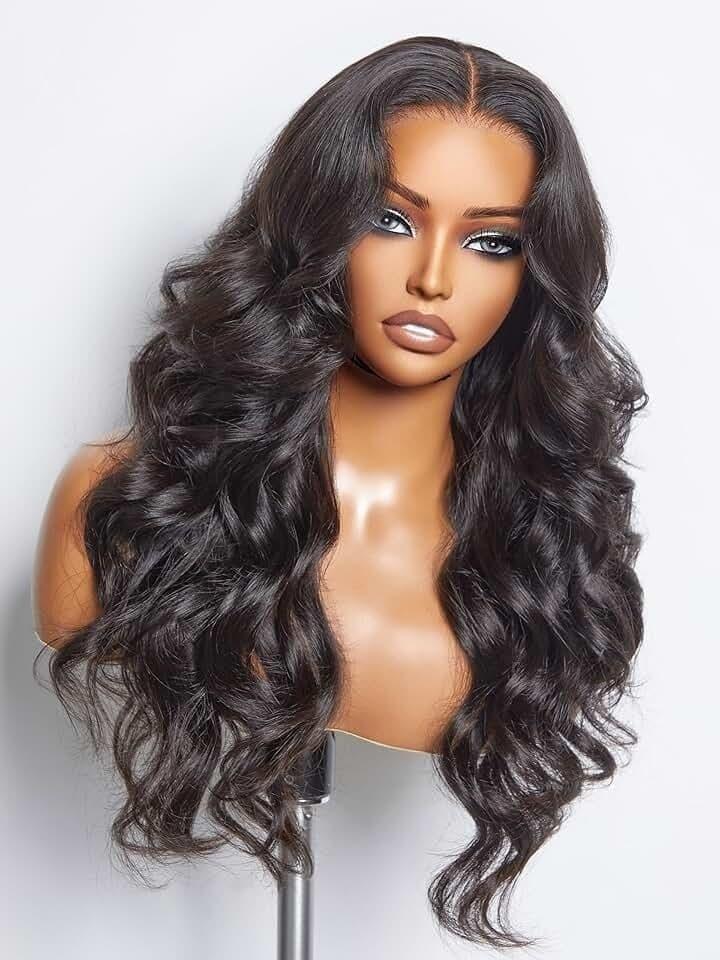
Use a wet-set method with medium-size foam rollers or braids for looser waves. After drying, shake out and scrunch lightly with a leave-in conditioner designed for synthetics. Finish with a light hold spray formulated for synthetic fibers to maintain bounce without stiffness.
If the wig is heat-safe, use a low-temperature flat iron briefly to smooth the strands, followed by a quick mist of synthetic-friendly shine spray. For non-heat-safe units, wrap the wig on the stand using tension and secure with clips; let it dry stretched — this can help reduce curl and give a straighter appearance without heat.
How you handle the hairline and parting can make or break the illusion of natural growth. For lace fronts, blot the lace with makeup or a lace tint for color match and glue down carefully if you need extra security. Use a little concealer along the part or a powdered foundation to recreate a natural scalp color. When styling the part, avoid dense comb-throughs; instead, use tail combs or the back of a brush to create a soft, realistic part and blend baby hairs selectively to mimic natural irregularity.
Blending tips: Align the wig cap with your natural hairline, secure the edges, and always check in natural light. Tilt your head and view the part and hairline from different angles to ensure there are no visible cap lines.
Product choice helps maintain shape and manageability. Look for:
Avoid alcohol-heavy products which can dry synthetic fibers and reduce lifespan. Patch test any new product on an inconspicuous area before full application.
Follow these daily and weekly practices to retain shape and prevent premature wear:
When not in use, keep your wig on a stand lined with a silk or satin cap to maintain shape. For travel, a breathable wig bag or structured case prevents crushing. If the wig gets flattened in transit, a quick steam from a handheld steamer (if the piece is heat-tolerant) or reshaping on a stand with rollers will restore form.
Problem: Frizz and fuzzing; Solution: Apply a tiny amount of silicone-free serum and smooth gently with fingers or a soft brush. Problem: Matting at the nape; Solution: Use a detangler and wide-tooth comb, and if severe, trim matted sections or seek a professional restylist. Problem: Loss of original curl pattern; Solution: Reintroduce shape through wet-setting and secure with rollers, or seek heat reconditioning only if the wig is labeled heat-friendly.
1) Keep a private kit of tools tailored to synthetic wigs — dedicated brushes, pins, and synthetic-specific sprays. 2) When cutting or re-layering, always cut dry and in small amounts; synthetics can spring differently than natural hair. 3) Avoid sewing heavy wefts directly onto delicate lace without reinforcement.
1. Place wig on stand and secure. 2. Lightly mist with synthetic-friendly leave-in spray. 3. Detangle gently with wide-tooth comb. 4. Reshape with rollers or finger-styling where needed. 5. Apply a light hold synthetic spray and allow to set for at least 10–20 minutes. 6. Check hairline and parting in natural light and make micro-adjustments. This 10–15 minute routine will dramatically improve on-head presentation and is perfect for daily touch-ups.
Mastery of how to style synthetic wigs is less about one radical trick and more about consistent, careful habits: proper tools, gentle handling, and using products made for synthetics.
For advanced users, consider: thinning dense synthetic hair with specialized thinning shears, bleaching carefully selected synthetic fibers (only if the manufacturer confirms safety), or combining human hair with synthetic pieces for hybrid looks. These modifications extend creative possibilities but require skill and caution.
When writing or blogging about how to style synthetic wigs, align content with user intent: include clear stepwise instructions, product names (when helpful), common problems and solutions, and visuals like step photos or diagrams (use descriptive alt text). Use header tags (
Extend your wig's life by choosing reusable rollers, avoiding single-use plastics for storage, and selecting durable synthetic fibers that withstand multiple styles. Learning non-heat techniques conserves energy and reduces wear, giving you more value per purchase.
If you need a major restyle, color change, or delicate lace work, consult a wig technician. Professionals can re-knot hairlines, ventilate lace, and reshape caps in ways that home methods cannot safely achieve.
Understanding how to style synthetic wigs is about respecting the materials and using the right methods for the look you want. Favor non-heat techniques where possible, maintain a gentle routine, use synthetic-specific products, and store properly. With attention to these fundamentals you can achieve a natural, long-lasting finish that keeps your wig looking fresh and vibrant for many wears.
A: No. Only wigs labeled as heat-resistant or heat-friendly can be safely styled with heat tools. Always test on a hidden strand and use the lowest effective temperature.
A: Wash only as needed — typically every 6–12 wears. Overwashing accelerates fiber breakdown. Use synthetic-specific shampoos and conditioners.
A: Use silicone-free conditioners and light leave-in sprays formulated for synthetics. Avoid alcohol-based sprays, and detangle gently from the ends up.
 and achieving a natural, long-lasting look.