If you've ever wondered how do you style a wig so it looks natural and stays put, this comprehensive, step-by-step guide is built for beginners and enriched with pro tips. Styling a wig starts before you touch a comb: choose the right base, understand hair type, and assemble your tools. Whether your wig is synthetic, heat-friendly synthetic, or human hair, a different approach and products will be optimal. This guide explores all the nuances of how do you style a wig, focusing on realistic results, scalp illusion techniques, and long-term maintenance.
Before applying styling techniques you should learn how do you style a wig with a secure, natural foundation. Start by securing your natural hair with a smooth braid or small buns, then add a snug wig cap that matches your scalp tone. Trim any stray hairs from the hairline if necessary. Clean the lace front gently and apply wig glue or tape if you need extra hold for lace styles. Test the tension — the wig should sit snugly but not painfully tight. A proper base helps prevent early slippage and makes styling much easier.
Organize the wig into sections before cutting or heat styling. Create a center or side part as you intend to wear the wig. Use clips to separate the crown, sides, and nape. Sectioning helps when you want to add layers, create face-framing pieces, or curl small subsections for long-lasting shape. Accurate sectioning is key to achieving consistent volume and flow — a core component of natural-looking results when you learn how do you style a wig.
Soft waves are one of the most forgiving styles. Wrap small to medium sections around a curling iron or heated wand and allow each curl to cool before loosening with fingers. For synthetic wigs use foam rollers or low-heat tools designed for heat-friendly fibers. Always clip curls while cooling to lock the shape.
Use a flat iron with ceramic plates, working in narrow sections for smoothness. Apply a light heat protectant and avoid pressing the plates too long; glide slowly for an even finish. Finish with a shine spray to mimic natural oil distribution along the shaft.
Gather hair at the crown and secure with a band. For a natural base, tease at the crown to add volume and use bobby pins to secure the wig to your head beneath the ponytail attachment if present. Loosen a few strands to soften the face frame. Consider a hair donut or padding for fuller buns.
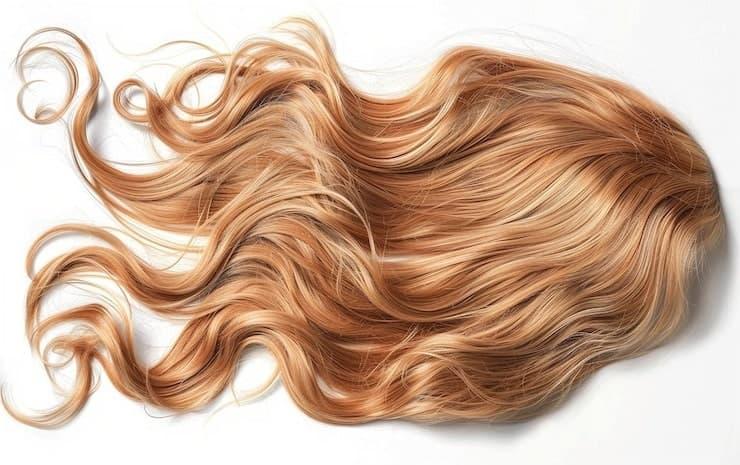
Customization is where a wig transforms from "nice" to "unnoticeable." If you're not comfortable coloring or heavily altering the wig, consult a professional. For human hair wigs, standard coloring techniques work. For synthetic wigs, patch test specialized dyes for synthetic fibers or consider fabric dyes. When cutting, aim to replicate the natural growth pattern by adding shorter layers up top and longer layers beneath. Always cut less than you think you'll need to remove.
Proper care extends the life of your piece and preserves its style. For human hair wigs, wash every 8–12 wears, while synthetic wigs rarely need full washing so frequently — spot clean and refresh with wig-friendly products. Store on a stand to maintain shape; avoid direct sunlight that fades pigment. Use sulfate-free shampoos for human hair, and cold water for synthetic wigs. A weekly spray of leave-in conditioner keeps fibers smooth and manageable.
Carry a small kit: travel brush, extra pins, small bottle of wig spray, and a folded silk scarf to wrap the wig when stowed. For windy days, reinforce the edges with an extra strip of tape or a more secure wig grip. Learning how do you style a wig includes practical tips for preserving the look while you commute or travel.
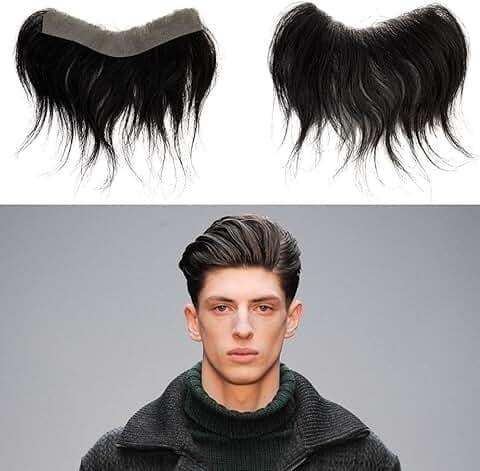
Select a wig density and cap construction supportive of your preferred looks. Monofilament tops and lace fronts provide realistic parting and hairlines which are essential if you want to style the part differently. If heat styling is central to your routine, invest in human hair or market-specific heat-resistant synthetic fibers. The more you understand materials, the more confident you'll become at answering how do you style a wig for any occasion.
Wigs have lifespans depending on frequency of wear and care: human hair can last a year or more with excellent care; synthetic fibers last several months with regular wear. Signs it's time for replacement include persistent tangling, loss of fiber integrity, and irreversible shape loss. Proper storage and occasional professional reconditioning can extend usability.
When buying human hair wigs, research ethically sourced options and transparent supply chains. Ethical sourcing supports sustainable practices and ensures higher-quality hair that styles predictably. For synthetic wigs, look for companies that disclose fiber composition and heat tolerance.
Small changes often make the biggest difference: tint the lace with alcohol-based makeup to match your skin tone, use a toothbrush to create mini baby hairs, and thin out the hairline in tiny increments. These micro-adjustments are core to mastering how do you style a wig to appear natural under different lighting conditions.
Set aside scheduled practice sessions to experiment with styles. Start with simple heatless waves and work up to layered cuts and complex updos. Track what products and temperatures work best for each wig type in a small styling journal. Over time you'll refine your technique for how do you style a wig confidently without relying on heavy products or excessive manipulation.
Quality tools and a reliable wig often cost more upfront but pay off in durability and ease of styling. If you're committed to frequent styling, a higher-quality base and professional fittings save time and yield more natural outcomes. Balance budget with lifestyle needs: reserve human hair for daily wear and professional events, and use synthetic options for trend-driven looks or short-term use.
No — a mannequin is helpful but not required. You can practice on your head or a friend, but a stand adds ease for cutting and precision work.
Not all wigs are heat-safe. Check manufacturer notes: heat-friendly synthetics and human hair can be styled with heat. Always test a small hidden section first.
Human hair: every 8–12 wears. Synthetic: less frequently — follow signs of buildup or odor. Use wig-specific products to preserve fibers.
