can i dye a human hair wig explained step by step dyeing guide with pro tips for color and care
Time:2025-11-28 Click:
Essential Guide: Can I Dye a Human Hair Wig? Practical Steps, Color Choices and Care
If you've ever wondered "can i dye a human hair wig?", this comprehensive, SEO-focused guide will walk you through everything from materials and preparation to aftercare and troubleshooting. Human hair wig customization is a realistic option for many, but it requires patience, the right supplies, and a clear process. Below you'll find step-by-step instructions, professional tips for color selection, safe bleaching methods, maintenance strategies to preserve tone and texture, and advanced pointers for longevity. Every section uses clear headings and structured content so you can refer back during the project without confusion.
Why Human Hair Wigs Can Be Dyed: Basics and Considerations
Human hair wigs differ from synthetic ones because the fiber reacts to hair color and bleach similarly to natural hair. Before starting, understand that results depend on: hair origin and quality, whether the wig has been previously colored or chemically treated, the base color, and the degree of porosity. If your wig was made from high-grade, Remy human hair, you will generally achieve better and more predictable results. Always remember that can i dye a human hair wig is a question of condition and color science: lighter changes are easier than drastic lifts, and dark brown or black bases may need bleach to reach a pale enough level for vivid shades.
Key factors to assess
Base tone and level (natural darkness/lightness)
Prior chemical treatments or color history
Strand elasticity and porosity
Cap construction (ventilated lace vs. machine-tied) which affects handling
Desired final shade and depth
Supplies You'll Need
Gathering professional-grade tools increases your chance of success: high-quality developer (10, 20, 30 vol depending on lift required), permanent cream color or demi-permanent dye for depositing, bleach powder and conditioning bleach if lifting, a non-metallic bowl, wide-tooth comb, gloves, cotton, clips, and a mannequin head or wig stand to secure the wig. You may also want a clarifying shampoo, bond-repair treatment (e.g., Olaplex-type), purple or toning shampoo, and a color-depositing mask for maintenance. Using patch tests and small-strand trials is non-negotiable for safety and predictability.
Pre-Dye Checklist
Perform a strand test on an inside section to confirm color outcome and processing time.
Test compatibility with bond builder products if planning to bleach.
Clarify the wig gently to remove residues and oils—do not over-wash before coloring.
Dry the hair completely; most professionals color dry wigs for even results.
Secure the wig on a stable stand and detangle from tips to roots with a wide-tooth comb.
When to see a pro
If you need to lift more than three levels, want a fashion shade like pastels or vibrant reds, or your wig has previous color, consult a colorist experienced with wigs. Complex color corrections or multi-tonal blends are best left to professionals to avoid irreversible damage.
Step-by-Step Dyeing Guide
1. Strand Test and Record Keeping
Always start with a small section test: note the starting color level and tonality, the products used, developer volume, processing time, and temperature. This record helps replicate or adjust the process if necessary. The question can i dye a human hair wig is answered most reliably by empirical testing—trust the test, not assumptions.
2. Preparing the Color Mix
Follow manufacturer ratios for your chosen dye. For deposit-only changes (darker or same-level tones), a demi-permanent dye mixed with a 10-volume developer or no developer may suffice. For lift and tone, mix bleach powder with a 20 or 30-volume developer depending on how much lift you need, keeping in mind higher volumes increase the risk of damage. Consider mixing small batches to maintain freshness and consistency.
3. Application Techniques
Use sectioning clips to divide the wig into manageable panels. Apply dye or bleach evenly from mid-lengths to ends first (they process faster), then roots last to avoid over-processing at the scalp area. For a natural gradient, feather the product with a brush into the base or use a balayage technique. When applying bright or pastel dyes, ensure the fiber has been lightened to the necessary level and rinsed thoroughly before depositing the final shade.
4. Processing Time and Heat
Processing times vary: follow product instructions, but check progress frequently. Avoid direct heat unless the product specifically permits it—excessive heat can cause uneven results and fiber damage. Use room temperature and monitor every 5–10 minutes during the last part of processing to catch the desired tone precisely.
5. Rinse and Tone
Once the target color is achieved, rinse with cool to lukewarm water until the water runs clear. Apply a toning gloss or deposit-only demi-permanent color if needed to neutralize brassiness or enhance vibrancy. Follow with a deep conditioning bond-repair treatment. Pat dry with microfiber towel—never rub vigorously.
Bleaching: Safety and Best Practices
Bleaching is the riskiest step when answering "can i dye a human hair wig?" safely. Use conditioning bleaches when possible, avoid leaving bleach longer than necessary, and never mix ammonia-based haircolor with bleach in a way not recommended by manufacturers. Split your bleaching into stages if the hair is resistant to lift. After each bleach, restore moisture with protein and moisturizing treatments to maintain fiber integrity.
Techniques to reduce damage
Pre-bond treatments: apply a bond-builder before and during the process.
Gentle developers: prefer 20 vol for smaller lifts; 30 vol only for hardened dark shades and short periods.
Short bursts: lift in incremental steps with conditioning between sessions.
Color Choices and Customization Ideas
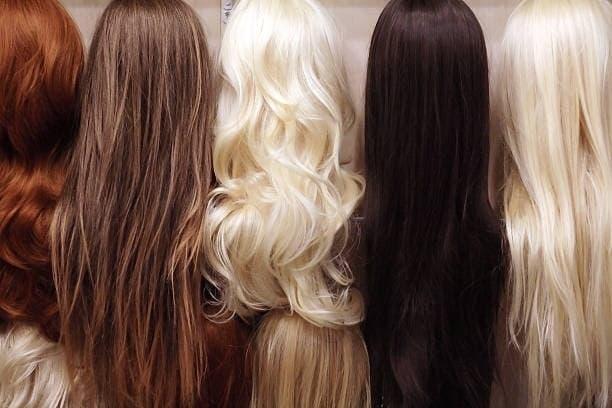
From subtle lowlights to dramatic ombré and pastel fantasy shades, human hair wigs can be customized. Natural-density shades work well for everyday looks; fashion colors require prior lifting. Consider a glaze or demi-permanent toner to enrich natural hues without long-term commitment. Matching the color to your skin tone and lifestyle is crucial—consult online color-matching charts or test with virtual try-on tools prior to commitment.
Popular approaches
Soft balayage for dimension without regular root touch-ups.
All-over color change to slightly darker or warmer tones for low maintenance.
Pastel and vibrant shades after heavy lifting and neutral toning.
Face-framing highlights to add brightness and lift to the complexion.
Post-Dye Care: Extend Color Life and Protect Fiber
After dyeing, use sulfate-free, color-safe shampoos and conditioners. Wash less often, rinse with cool water, and use UV protectant sprays if the wig will be exposed to sun. Weekly deep-conditioning masks and occasional color-depositing treatments help maintain vibrancy. Brush gently with a paddle brush designed for wigs and store on a stand or mannequin to retain shape.
Maintenance schedule
First 48 hours: avoid heavy styling and excessive moisture to allow cuticle settling.
Weekly: use a color-safe mask and a bond-repair treatment monthly if bleached.
Every 4–8 weeks: consider a glaze or demi-refresh for tone longevity.
Common Problems and Solutions
Uneven color
Cause: inconsistent application or varying porosity. Solution: reapply color to uneven areas, use a toning glaze, or seek professional correction.
Brassiness after lifting
Use a purple or blue shampoo depending on underlying warm tones, or apply a toner. If brass persists, a professional gloss or re-tone may be necessary.
Dry or brittle hair
Use intensive protein and moisturizing treatments, avoid heat styling, and allow recovery time between chemical services.
Advanced Tips from Professionals
1) Create a mini-swatch board: dye small wefts to preview real outcomes. 2) Keep detailed notes including product lot numbers and exact timings. 3) When blending multiple colors, use demi-permanent dyes to layer and adjust without cumulative damage. 4) If unsure, consult a wig specialist—it's often less costly to invest in professional work than to repair an over-processed wig.
Tools professionals use
Fine-tooth tail combs for precision parting
Color bowls with pour spouts to avoid dripping
Heat lamps only when justified by the manufacturer
Storing and Long-Term Care
Always store the wig on a stand away from direct sunlight and dust. Use breathable wig covers for long-term storage and avoid plastic which can trap moisture. For colored wigs, limit exposure to chlorine and salt water—both can alter pigment and texture. When traveling, pack with a silk or satin scarf to reduce friction and tangling.
Environmental and Safety Notes
Work in a well-ventilated area and avoid inhaling powder when mixing bleach. Wear gloves and protective clothing, and keep colorants away from pets and children. Dispose of chemical waste responsibly in accordance with local regulations.
Quick Checklist: Decision Flow for "Can I Dye a Human Hair Wig"?
Is the wig human hair? If not, do not attempt.
Has it been previously chemically treated? If yes, proceed with caution or consult a pro.
Do a strand test to confirm results and fiber health.
Plan color, tools, and recovery treatments before starting.
Final Thought
Answering "can i dye a human hair wig" with confidence means preparing properly, testing carefully, and respecting the fiber. With the right approach, a human hair wig can be colored beautifully and safely, yielding a natural, long-lasting look. Invest time in preparation and aftercare to protect your investment and maintain the integrity of the hair.
Resources and Further Reading
Seek manufacturer guides for specific products you plan to use, and look for tutorials from professional colorists who specialize in human hair wigs. Community forums and wig care blogs also offer real-world examples and troubleshooting tips.
FAQ
Q: How many times can I dye a human hair wig? A: It depends on the wig quality and how aggressively you process it. Gentle deposit-only dyes can be repeated, but repeated bleaching will accumulate damage. Space services out and use restorative treatments to prolong the wig's life. Q: Can I go from dark brown to platinum on a wig at home? A: This usually requires multiple bleaching sessions and careful toning; it's risky for novices. A professional approach minimizes breakage and uneven lift. Q: Is it better to dye the hair before or after making it into a wig cap? A: Dyeing on the wefted hair before ventilating into a wig cap is often cleaner and more uniform, but many lace-front wigs are colored after construction; stitch patterns can affect application. Plan according to your wig type.

 is answered most reliably by empirical testing—trust the test, not assumptions.