How to Make a Wig Look Real: Professional Overview and Key Concepts
If you've ever asked how do i make a wig look real, you're not alone. Many wig wearers want the natural appearance of a scalp, realistic strands flowing from an authentic hairline, and seamless parts that never reveal the cap underneath. This comprehensive guide covers everything from choosing the right base to finishing touches for an undetectable look. Whether you wear lace frontals, full lace wigs, synthetic units, or custom human-hair pieces, these tested methods will elevate realism and confidence. Read on for step-by-step methods, professional tips, common mistakes, and troubleshooting.
Start with the Right Foundation: Cap Type, Size and Hair Quality
Realism begins with selecting the appropriate foundation. A poorly fitting cap or synthetic fiber that reflects light will immediately give the game away. Key checklist items include:
- Choose a lace type that fits your needs: Swiss lace, HD lace, or transparent lace for finer hairlines.
- Pick human hair when budget and maintenance allow—natural movement, heat-styling adaptability, and better dyeing outcomes produce more authentic results.
- Measure your head circumference and cap area precisely so the unit sits flat; any bulging, slippage, or uneven tension can create unnatural lumps or show the lace edge.
- Consider lace density and knot size. Smaller, bleached knots paired with low-to-moderate density mimic natural growth.
Pre-Installation Preparation: Bleaching, Tinting and Plucking
Two of the most powerful in-home customizations are bleaching knots and tinting lace to match your scalp tone. Bleaching makes knots less visible but must be done cautiously to preserve hair strength. Tinting—using wig tint sprays, lace tints, or diluted foundation—creates the illusion of scalp color directly under the hair. Plucking creates imperfect hairline spacing similar to real follicles. Follow these steps:
- Bleach knots only until translucent—over-bleaching will weaken hair and cause breakage.
- Tint lace from the underside if possible; try samples on cloth or a wig cap to test shade match.
- Pluck sparingly and asymmetrically; craft baby hairs and slightly recede areas to remove the “too-perfect” factory hairline.
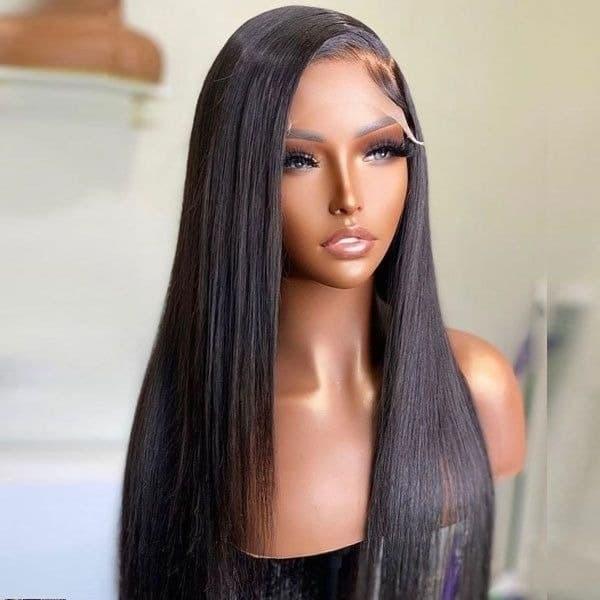
- Use a magnifying mirror and quality tweezers; stop every few plucks to assess.
Parting and Scalp Illusion
Seamless parting is a top concern when answering how do i make a wig look real. A dense, unnatural part or visible tracks will compromise the illusion. Techniques to create an undetectable part include:
- Use a nude or skin-toned foundation powder in the part to simulate scalp tone—apply lightly with a small brush.
- Invest in a monofilament or silk top piece for ultra-realistic parts: these bases mimic a single-hair-per-follicle growth pattern.
- Seal the part with concealer matching your scalp, then set with translucent powder to prevent shine.
- For middle parts, slightly bias the hair direction and create baby hair around the edges to blend the lace edge into your natural skin.
Adhesive and Edge Blending
Choosing the right adhesive system will impact how flat and secure the lace sits. Options include wig tape, glue (water-based or solvent-based), and elastic bands or silicone-lined caps for glue-less wearers. Tips:
- Clean and oil-free skin achieves the best hold. Use an alcohol wipe before application.
- Apply a thin, even layer of adhesive on the perimeter, let it become tacky, and press lace down gently.
- Remove excess glue from the lace with an appropriate solvent—never tug harshly.
- Blend edges with foundation, powder, or a tiny amount of concealer to match skin tone; add baby hairs and lay with edge control gel for a seamless transition.
Styling Techniques That Sell Realism
Real hair moves and reacts to gravity, heat, and humidity. Styling should mimic that. Some pro styling habits are:
- Heat style human-hair wigs with protected temperature settings and always use heat protectant products.
- For synthetic wigs, use steam or synthetic-friendly heat tools if the fiber allows it; otherwise choose pre-styled or set with rollers.
- Create subtle movement: small, loose waves and layered cuts look more natural than overly uniform curls.
- Avoid extreme shine. Use oil or shine spray sparingly because real hair has a soft luster, not a glossy plastic finish.
Color Matching and Custom Color Work
Matching the hair color to your natural complexion and undertone is critical. Highlights, lowlights, and root shading are excellent ways to mimic natural growth and depth. Professional color tips:
- Add darker roots or shadow roots to simulate natural hair growth and reduce the "wig cap floating" look.
- Use subtle dimensional highlights rather than uniform color; this creates depth and catches light naturally.
- When dyeing a wig, condition deeply afterward—human hair can dry out after chemical processing.
Density and Size: When Less Looks More
Factory wigs often come too dense. Over-density makes the hair look heavy and unnatural at the hairline. Tailor density to a natural level:
- Choose 120%-150% density for a natural full look; reduce hair volume at the hairline and sides.
- Thin the bulk lightly with thinning shears rather than removing large sections.
- Use layering to create movement without sacrificing fullness.
Fine Details: Baby Hairs, Short Whisps, and Imperfect Growth
A major answer to how do i make a wig look real is embracing imperfection. Real hairlines have broken hairs, shorter hairs, and slight irregularities. Practical tips:
- Create baby hairs by trimming small sections around the perimeter and lay them with a toothbrush and edge gel.
- Use hairspray or a light pomade to hold them in place without looking stiff.
- Consider micro-wisps along the part and temple area to hide any line of lace.
Tools and Products That Pros Use
A well-stocked kit makes customization easier. Recommended tools:
- Micro-blading pen or thin eyebrow pencil for part shading.
- Bleach kit for knot-lightening with a developer appropriate for the hair's color and porosity.
- Quality tweezers for plucking; thinning shears for density adjustment.
- Lightweight edge control, non-greasy oils, and flexible-hold hairspray.
- Monofilament tops or silk bases if you want the most realistic single-hair effect.
Application Methods and Their Visual Impact
How you attach the wig changes its look and movement. Glue or tape creates a skin-like lay and allows you to contour edges; elastic bands or clips are easier but may cause gaping. Try these options:
- Glue/Tape: Best for a flawless lay and water-resistant wear. Perfect for photos and special events.
- Glue-less: Elastic bands, wig grips, and adjustable straps can create close fit without adhesives—pair with plucked hairline and tinted lace for realism.
- Sew-in or pinned: For long-term wear, sewing onto braided cornrows can create a secure base, but ensure the cap is ventilated to avoid heat buildup.
Blending with Your Natural Hair
Even with the most realistic lace, blending your edges and part with some natural hair can sell the illusion. Tips for blend:
- Leave small amounts of your own hair at the hairline or nape to intertwine with baby hairs from the wig.
- Use color-matched powders to minimize contrast between scalp and lace.
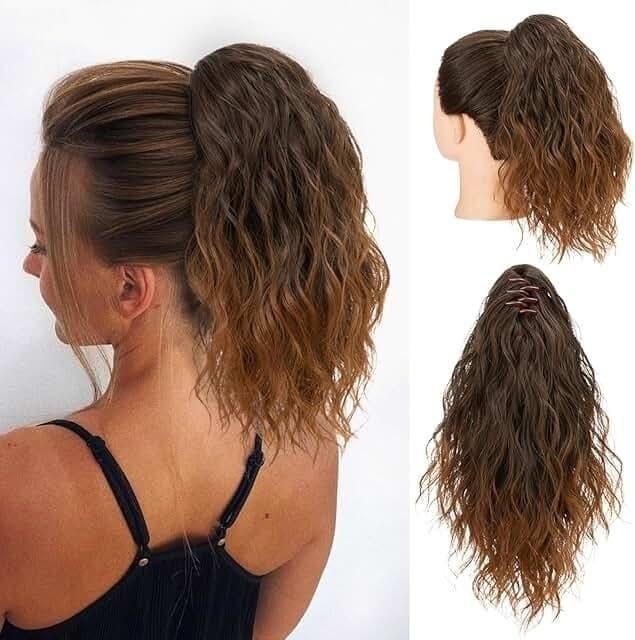
- Wear styles that incorporate your natural hair—half-up/half-down looks or pulled-back ponytails that mix textures.
Lighting, Photos, and Everyday Movement
Wigs can appear different in harsh flash photography or bright sunlight. To keep them believable:
- Avoid direct, overly bright lighting that exposes shine differences; matte-setting sprays help reduce synthetic glare.
- When taking photos, tilt the head and allow natural shadows to form in the part and around the hairline.
- Practice movement: shake and sway the hair to create natural bounce and flyaways; keep some hairs unstyled for that lived-in look.
Maintenance and Longevity
Realism is also about upkeep. A neglected wig loses its shape and becomes obviously fake. Maintenance includes:
- Regular gentle washing with sulfate-free, wig-safe shampoos and rich conditioners for human hair.
- Deep-condition monthly and use leave-in treatments sparingly to avoid saturation.
- Detangle with wide-tooth combs and store on a mannequin head or padded stand to retain shape.
- Replace elastic bands and refresh plucked areas if the lace stretches over time.
Common Mistakes That Break the Illusion
Understanding common pitfalls helps answer how do i make a wig look real because you can correct them early: avoid overly straight hairlines, too-high ponytails that tug at the lace, heavy shine, wrong cap size, and uniform color with no depth. Also, never skip testing adhesives for skin reaction and always patch-test dyes on a small section.
Advanced Customizations for Perfectionists
For those who want to take realism further, consider these advanced techniques:
- Hand-knotting: Re-knot sections for a more scattered, natural growth pattern.
- Micro-bleaching and micro-plucking combined with scalp painting create near-photo-realism.
- Root shading: airbrushing the root area to create a soft fade from scalp to hair.
- Layering lace types: combine a monofilament part with an HD lace perimeter to maximize comfort and realism.
Quick Step-by-Step Checklist Before You Go Out
Follow this short checklist each time you wear a styled wig to keep realism consistent:
- Ensure cap sits flat and tension is even.
- Check part shading and apply powder/concealer if needed.
- Set baby hairs and edges with lightweight gel.
- Reduce shine with a matte spray if necessary.
- Run fingers through hair to create natural separation and movement.
This article has intentionally repeated and emphasized the key search phrase how do i make a wig look real to help readers and search engines find actionable advice quickly. Below you will find product recommendations, troubleshooting scenarios, and realistic style ideas.
Product Recommendations and DIY Substitutes
Not every product needs to be pro-grade. Here are versatile picks and economical substitutions:
- Lace tint or HD lace spray: for custom scalp color. Substitute: diluted foundation or concealer tested on lace scraps.

- Edge control with flexible hold: choose alcohol-free formulas to avoid flaking.
- Low-wattage travel steamer: for reshaping curls and reducing synthetic stiffness.
- Micro-fine eyebrow brush or toothbrush: for precise part shading and laying edges.
Real Case Examples and Before/After Mindset
Consider three different scenarios that real users have reported improved outcomes from applying these principles:
- A client with a dark brown skin tone used a mix of two lace tints and a warm foundation powder in the part to achieve a near-invisible look under studio lights.
- An active wearer switched to a glue-less method with elastic bands and created baby hairs to avoid sweat-related glue failures while maintaining a naturalline.
- A performer thinned the hairline and created a soft shadow root, dramatically improving camera-close realism during shows.
Troubleshooting: Why My Wig Still Looks Fake
If your wig still looks fake despite following guidelines, inspect these likely issues:
- Lace color mismatch: retint the lace or apply a thin scalp tint.
- Flat movement: evaluate fiber quality—synthetic fibers often lack bounce unless heat-set appropriately.
- Overly perfect hairline: pluck a few extra hairs and add subtle baby hairs for imperfection.
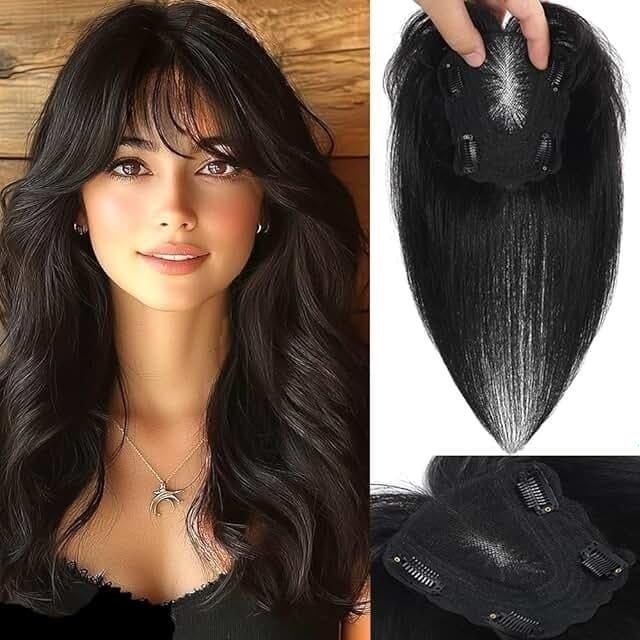
- Visible tracks: ensure the part is re-rooted or use monofilament/silk top options.
Answers to how do i make a wig look real are rarely one-step fixes; most believable looks combine multiple small optimizations.
Styling Ideas to Maximize Naturalness
Try these styles that naturally hide imperfections:
- Low, messy bun with face-framing tendrils.
- Deep side-part with asymmetrical layers to disguise the part area.
- Loose boho waves with varied curl sizes.
- Pulled-back half-up styles that allow baby hairs to blend the front edge.
Why Hair Type Matters: Human vs. Synthetic
Human hair wigs generally win on realism because they respond to heat and have natural luster. However, some modern high-quality synthetic fibers are engineered to mimic human hair movement and are easier to maintain and style for beginners. Consider wear frequency, budget, and desired styling flexibility when choosing.
Safety and Hair Health Considerations
If you wear wigs frequently, prioritize scalp health: give your scalp breaks, clean adhesive residues properly, and avoid prolonged high-tension wear that can cause traction. Remember to treat natural hair underneath with moisturizing treatments if you're using dress-up caps or braids.
Summary: Layer Small Wins for Big Realism
No single tip will fully answer how do i make a wig look real—the magic comes from layering small improvements: correct cap fit, lace tinting, delicate plucking, believable density, shaded parting, realistic baby hairs, and textured styling. Invest time into pre-install preparation and maintenance; the payoff is a convincing, comfortable, and long-lasting look.
FAQ
Q: Can I make a synthetic wig look as real as human hair?
A: With high-quality heat-resistant fibers, proper styling, mattifying products, and a realistic cap (HD lace or monofilament top), synthetic wigs can appear very natural, especially at a distance and in everyday lighting.
Q: How do I make the part look like real scalp?
A: Use a monofilament or silk top if possible; otherwise tint the lace/part with makeup or lace tint products and set with translucent powder. Adding darker roots and subtle scalp-colored powder in the part increases realism.
Q: How much plucking is too much?
A: Pluck sparingly and asymmetrically; remove a few hairs at a time, pause to view, and avoid creating visible gaps. The goal is soft irregularity, not sparse patches.
Q: Will adhesives damage my skin or wig?
A: Use skin-friendly adhesives, follow instructions, and remove with suitable solvents to prevent damage. Always patch-test adhesives on a small skin area before full use.
Final encouragement: making a wig look real takes experimentation. Keep notes on which combinations of lace, adhesive, plucking, and products work best for your face shape and lifestyle. Revisit small adjustments over time—what looks convincing in one lighting condition may need fine-tuning in another. With patience and practice, the question how do i make a wig look real will shift from a query into your everyday skill set, and your units will reflect the time invested in subtle, expert customizations.