If you've searched for how long do wig installs last you're already asking the right question: longevity depends on method, materials, maintenance, and lifestyle. This comprehensive guide explains expected timelines for different install types, practical care tips to extend wear, warning signs that you need a redo, and realistic expectations for daily life, workouts, showers, and sleep. We'll cover glue and tape methods, sew-ins, closure and frontal installs, U-part and clip-in hybrids, professional versus DIY applications, and product choices that influence how long a wig installation remains secure and looks natural.
Preparation can make or break how long do wig installs last. Clean, oil-free hair and scalp are essential. For adhesive installs, use an alcohol-based or specialized scalp cleanser and primer to remove oil and create an ideal surface for glue or tape. For sew-ins, tight and even braids give a consistent base, reducing friction and tugging that lead to early removal. A cap or wig grip under the unit can distribute weight and reduce direct stress on edges, lengthening wear time.
Adhesive-based installs are popular because they create a natural hairline and versatile styling. However, glue and tape are subject to environmental and biological factors. Expect professional full-glue applications to comfortably last 1–3 weeks, with some high-end adhesives reaching 4–6 weeks when combined with careful maintenance and periodic edge reinforcement. Tape tends to offer cleaner removal and can last from several days to 2 weeks per tape strip depending on activity level and if a waterproof tape is used.
Sewn weaves anchored to cornrows are typically the least affected by sweat and water, making them a great choice for active lifestyles. However, they still require care to maintain both the weave and the health of natural hair. Most stylists recommend leaving sewn units in for 4–8 weeks. Beyond that timeframe, hair can mat at the roots, and increased tension can lead to breakage or traction alopecia.
Closure and frontal units blend your natural hairline with installed hair. Longevity often depends on whether the unit is glued down or sewn in. Fully glued frontals share adhesive characteristics mentioned earlier; sewn-frontals reduce glue exposure and often last as long as a sew-in weave (4–8 weeks) if maintained properly. Avoid over-styling the frontal and pulling edges heavily when brushing; gentle care preserves the delicate lace and knots.
To extend how long your wig install lasts, combine smart product choices with consistent care routines. Use non-comedogenic, alcohol-free adhesives and cleansers, apply a scalp protector or primer, and choose a wig cap that matches your head size. Adjust lifestyle factors: reduce direct heat exposure, dry your edges thoroughly after any water contact, and treat adhesive areas with gentle products to avoid weakening the glue. Consider rotating between styles or using a light protective cap for high-sweat activities to preserve a glued install.
Safe removal is critical for scalp health and to prepare for a longer-lasting reapplication. For glue and tape, use a professional-grade remover oil or solvent designed for lace adhesive; avoid forceful tugging. After removal, cleanse the scalp thoroughly, treat irritated spots with a soothing antiseptic or aloe-based product, and allow any abrasions to heal before the next install. For sew-ins, have a trained stylist remove the braids and weave carefully to minimize breakage.
Opt for adhesives and removers that are dermatologically tested and formulated for lace units. Alcohol-free cleansers preserve bonds longer than high-alcohol products. Use a gentle clarifying shampoo only on the wig hair, not on the glued edges, and a low-lather sulfate-free shampoo when needed. Avoid crude solvents (like acetone) and household solvents that can irritate the skin and damage lace. For sewn installs, a lightweight sprays for conditioning and detangling preserves the hair without saturating braids.
The question how long do wig installs last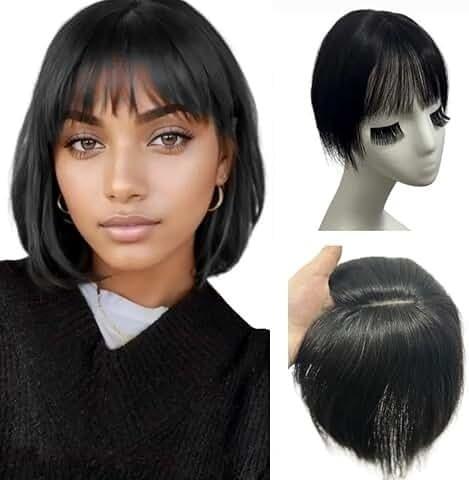 must be grounded in user habits: a fitness enthusiast who swims daily can expect significantly shorter wear times for glue-based installs than a desk-worker who limits sweating and heat styling. Active users should favor sew-ins or secure glue-less options. Event wear (short-term wear for a wedding or photoshoot) can last multiple days to a week with professional prep; long-term wear demands routine attention and a plan for periodic touchups.
Adopt a simple, repeatable schedule to maximize longevity: weekly: check edges for lifting, perform a light cleanse of scalp edges, and reapply thin edge glue if needed; monthly: deep-clean the wig hair using professional products, inspect lace for thinning or tears, and schedule a professional check if you notice persistent lifting; every 4–8 weeks: consider complete removal and reinstallation for glued units, or removal and re-braiding for sew-ins.
Look for specific indicators: repeated lifting on the hairline despite reinforcement, persistent odor or scalp itch (infection risk), visible matting at the roots, hair loss or exposed patches on your scalp, or broken lace and visible knots. These signs mean it's safer to remove and start fresh rather than continue with a failing install.
Myth: the better the wig, the longer the install will last regardless of care. Reality: even premium units require proper application and maintenance to achieve maximum lifespan. Myth: you can sleep with a glued frontal without consequence—this can cause excess friction, adhesive breakdown, and early lifting. Myth: reusing tape forever saves money; reused tape loses adhesion quickly and traps oil—always replace strips as recommended.
Professional installation generally yields longer lasts because stylists prep the scalp, select the right adhesive, and apply even tension for sew-ins. DIY installs can be cost-effective but often shorten how long do wig installs last due to uneven application, incorrect adhesives, or poor prepping. If you prefer DIY, invest time in learning proper techniques and use quality products.

Protect your natural hair by alternating protective styles, giving your scalp breathing time between full-glue sessions, and conditioning roots between installs. Pay attention to any signs of thinning or irritation; consult a trichologist if you detect unusual hair loss. Healthy natural hair supports better installs and contributes to longer wearable life for the wig.
Higher upfront costs for better adhesives and professional installs often pay off in longer time between reapplications. Balance budget constraints with your lifestyle: if you need durable, long-wear solutions, invest in quality adhesives, professional fitting, or sew-in methods. For frequent style changes, opt for clip-ins or removable units that avoid repeated adhesive stress.
In humid and hot climates, adhesives degrade faster. Consider waterproof tapes or stronger adhesives in summer months and schedule more frequent check-ins. In winter, static and dry air can make lace more brittle—use anti-static sprays and avoid over-brushing.
The direct answer to how long do wig installs last is: it varies widely. With optimal preparation, professional application, and diligent maintenance, many glue or tape installs can last multiple weeks, sew-ins can be maintained for up to 8 weeks safely, and clip-in or glue-less systems provide flexibility for daily changes. Your personal routine, products, and environment shape the real outcome. Prioritize scalp health, choose the right method for your lifestyle, and schedule professional maintenance when possible to get the most from each installation.
We encourage readers to test small routines, keep a log for patterns (e.g., how wear time changes after workouts or rainy days), and consult with a professional stylist for personalized recommendations. Protecting your natural hair and scalp is the fastest way to extend how long any install stays secure, looks natural, and keeps you confident.
Want a tailored timeline? Book a consultation with a certified stylist who can assess your hair density, scalp condition, and lifestyle to recommend the ideal install method and a realistic maintenance schedule. Small investments in proper products and professional application often result in longer durations between reapplications and healthier natural hair over time.
If you want a printable checklist or a week-by-week maintenance planner tailored to your install type, consult a professional or request a downloadable guide from trusted salons and wig supply sources.
