If you've ever wondered how to make a wig look more natural for everyday wear, this comprehensive guide breaks down realistic, repeatable steps that pros use to disguise caps, soften hairlines, and match color and texture to your own features. Whether you're new to wigs or upgrading your routine, the goal is the same: a believable, wearable look that feels comfortable and looks undetectable in everyday light. Below you'll find detailed preparation tips, styling techniques, maintenance habits, and product suggestions that together answer the central question: how to make a wig look more natural so others see hair, not a wig.
One of the first answers to how to make a wig look more natural begins before you style—select an appropriate base. Lace front wigs and 100% hand-tied caps mimic scalp movement best; monofilament tops give the illusion of natural parting. Choose a cap size and shape that fits your head snugly to avoid gaps where light catches the cap. When selecting hair density, aim for medium density unless you naturally have very thick hair—overly full wigs often read as costume pieces. Color matching is critical: match the base color at the roots and consider subtle balayage or highlights to avoid a flat, single-tone look that screams synthetic.
Matching texture is just as important as shade. For how to make a wig look more natural, pick synthetic fibers with realistic light reflection or opt for human hair when budget allows. If you wear the wig daily, human hair blends and responds to styling products, heat, and slight texturizing, making it easier to achieve an undetectable appearance. For synthetic wigs, pick premium heat-friendly fibers and use low-heat tools. When dyeing or toning, try root shadowing and low-contrast highlights to create depth close to the roots—this reduces the obvious "wig-like" uniformity.
Customizing the hairline answers a core part of how to make a wig look more natural. Many ready-to-wear wigs have a straight, dense hairline. You can pluck the hairline carefully using tweezers to create irregular, realistic spacing; always pluck from the outside in and do it gradually. Create baby hairs around the perimeter by trimming and thinning ends to a fine point; lay them with edge control gel for realism. For lace wigs, tint the lace or use lace tint spray to match your scalp tone—this reduces that telltale pale strip along the forehead. For parting, use scalp-colored powder or a lightweight foundation on the mesh under the part for depth. A scalp-colored concealer down the part also helps mimic scalp contrast and makes the part look like it's growing from your own skin.
Bleaching knots on lace front wigs is a technical but high-impact step to answer how to make a wig look more natural . Bleaching dissolves the dark knot that ties hair to lace, making strands appear to grow from the scalp. Always follow instructions and do test strips—over-bleaching weakens strands. Alternatively, use a tiny dot of light foundation at the root or a specialized lace tint for a similar visual effect without the chemical risk. When taking the non-bleach route, use a thin scalp-colored powder within the part and along the hairline to mimic scalp depth.
Fit is a silent factor in how to make a wig look more natural. A well-fitted cap prevents slipping and unnatural gapping. Use wig grips, adjustable straps, or silicone-lined caps that anchor the wig to your head. Sew in combs or clips for extra stability if you'll be active. For thin-haired wearers, consider a wig cap that allows a small window for leaving some natural hair out at the front—this hybrid approach blends the line where human hair meets the wig for convincing concealment.
Edges will betray a wig faster than anything else. To hide them: trim excess lace carefully right to the hairline of the wig; do not cut into the hair. Use medical-grade adhesive or an alcohol-free wig glue sparingly to hold lace down. Apply adhesive in thin layers, let it get tacky, and then press lace down; remove glue build-up after each wear to preserve both your skin and the lace. For a non-adhesive method, leave a few millimeters of your own hair out at the temple and style it over the lace edge to hide the seam. All these methods are key to how to make a wig look more natural over time.
Parting is a subtle art. A deep, plastered part can look fake. Instead, create a soft, offset part and gently separate hair with a tail comb. Use a scalp-colored product along the part to mimic skin. For extra realism, backcomb lightly at the roots on one side to create lift and shadow—effects the human scalp naturally has. Remember: parts are rarely perfectly centered in natural hair; small asymmetries add authenticity and answer the question how to make a wig look more natural in a practical, visible way.
Baby hairs are a finishing touch that significantly affect how to make a wig look more natural. Use a razor or small scissors to create wisps along the forehead. Style them with a small amount of gel or edge control, and avoid making them uniform—variations in length and direction look more believable. If you naturally have fine hair at the temples, let those hairs fall over the wig edge for seamless blending.
How the hair moves often reveals whether it's real. Proper low-heat styling, controlled curling, and brushing to add slight irregular waves produce motion that looks lived-in rather than manufactured. For synthetic wigs, test fiber heat tolerance first. Using a curling wand to create loose, varied waves adds realism—aim for inconsistent wave patterns rather than uniform curls. When blow-drying human hair wigs, use a low to medium setting and direct airflow from the scalp outwards to create natural root movement. These techniques directly support how to make a wig look more natural by simulating real hair dynamics.
A wig that hasn't been tailored will often read as artificial. Visit a stylist familiar with wigs or learn to add subtle layers yourself. Layering removes bulk and adds dimension, preventing the "helmet" look. Face-framing layers soften the transition between wig and face, which goes a long way toward appearing undetectable. When you get it cut, ask for texturizing rather than blunt mass removal to preserve natural density variations.
Long-term strategies are also essential to how to make a wig look more natural. Rotate between wigs to reduce wear, wash according to fiber type, and use gentle, sulfate-free products for human hair. Store wigs on a mannequin head or a padded hanger and cover them to keep dust and sun exposure down—UV and friction speed the "fakey" shine. Periodically replace lace fronts or re-tint the lace as needed; small maintenance steps maintain realism.
Scalp-color matching is subtle but crucial. Use mineral powder, matte foundation, or specialized scalp pigments in the part and exposed mesh to simulate a natural scalp color. Avoid shiny products on the lace and scalp area—shine gives away synthetic fibers and lace. If you have freckles or distinct skin tones, try to mimic those small imperfections with dotting powder; flawless, uniform coloring reads artificial.
If you have hair to blend, leave a small amount out at the front or sides and match texture with heat tools or a texturizing spray. When blending, be mindful of weight: thick natural hair under a wig can create uneven contours. Instead, smooth natural hair into a low bun or braid and pin it flat to create a consistent base. Proper blending addresses everyday questions about how to make a wig look more natural and ensures your style moves uniformly.
Accessories can either give away a wig or enhance realism. Cloth headbands, scarves, or hats are handy for casual looks but avoid consistently hiding the hairline as a permanent solution. Use discreet hair clips and pins that match the color of the wig and anchor the cap without creating pressure points. If you wear glasses, adjust the temple area to avoid lifting the wig and exposing the lace edge—this is an often-overlooked element of how to make a wig look more natural when wearing daily accessories.
As you practice these steps that answer how to make a wig look more natural, you'll learn which adjustments matter most for your face shape, skin tone, and personal preference. Keep a small kit with essentials—tweezers, small scissors, lace adhesive or tape, scalp powder, edge control, and a wide-tooth comb—to make quick fixes on the go. Over time, your routine will shorten and the result will read as effortless.
Some tasks—bleaching knots, re-sewing lace, lace tinting—are worth trusting to experienced wig technicians. Professional customization is not just for special events; it can make a daily wig indistinguishable from natural hair. If you're aiming for a long-term, undetectable everyday look, consider investing in a professional install and cut. This step often answers the final nuances of how to make a wig look more natural that home methods can't replicate.
Pick lightweight, matte-finish products: texturizing sprays, powder root touch-ups, and edge control with a non-greasy hold. Avoid heavy oils and silicone serums near the lace and part—these attract dust and add unnatural shine. For synthetic wigs, use designated synthetic wig shampoos and conditioners to maintain fiber resilience and realistic sheen. For human hair, heat protectant and a smoothing cream used sparingly will preserve movement while reducing frizz.
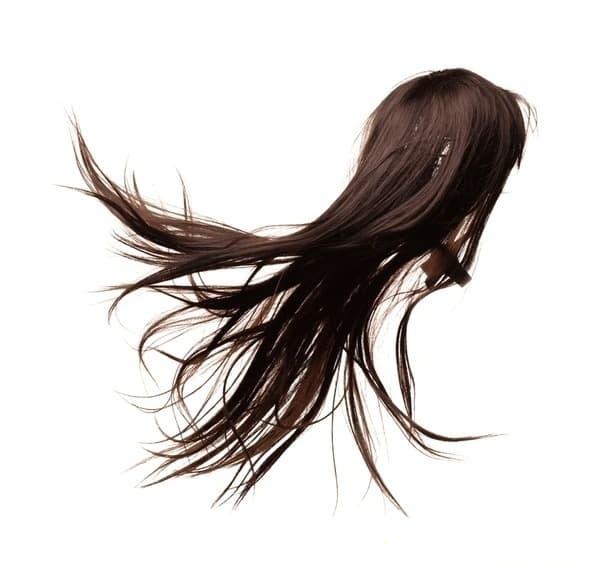
Go for styles that mimic what real hair does: loose, off-center parts; slightly asymmetric bobs; long layers that fall differently on each side; and soft waves that are not uniform. Avoid overly polished or perfectly sculpted shapes; a little imperfection looks more human. Rotate styles to prevent wear patterns that give away a frequently used wig and to maintain a fresh, natural look.
If the hairline looks too dense after plucking, stop and let hair rest before making more adjustments. If lace lifts during wear, check the adhesive residue and reapply a thin, even layer. If the part looks flat, add depth with a matte powder or a tiny touch of bronzer. For persistent shine on synthetic fibers, a light dusting of dry shampoo or baby powder (applied carefully) can absorb excess glare without drying the fibers out.
Answering how to make a wig look more natural is a combination of good base choices, careful customization, realistic styling, and consistent maintenance. With time and small iterative tweaks—blend, pluck, tint, secure—you'll build a routine that produces confident, natural-looking results. The most convincing wigs are those that incorporate minor imperfections, contours, and movement that mimic living hair.
Below is a short FAQ that addresses quick questions many people ask when refining a daily wig routine.
Practice, patience, and small, consistent adjustments will take you from obvious to undetectable—these combined tactics will help you confidently answer how to make a wig look more natural every day.
