When people ask "do black women wear wigs?" the inquiry is compact but layered: it's about fashion, hair health, cultural history, convenience and identity. The short, honest answer is yes — many Black women choose wigs at various points for multiple reasons — but that simple reply doesn't capture the nuances. This long-form guide explores motivations, practical tips, styling advice, cultural context, product types, purchase guidance and maintenance so readers can make informed choices and appreciate how wigs fit into broader hair care and cultural practices.
Yes, do black women wear wigs is a question that returns a clear affirmative in surveys, social feeds, and salons. Yet the reasons vary widely: protective styling, experimentation without chemical damage, convenience, low-commitment color or length changes, scalp health during transitions, and creative self-expression. Wigs now range from basic machine-made units to high-end hand-tied full lace systems that allow for near-natural movement.
The practice of wearing hair coverings and styled wigs has long roots across African diasporic communities. From historical headwrap traditions to modern wig culture, hair has been central to identity and resistance. Understanding that helps frame why many Black women choose wigs: not merely as a trend but as part of a living, culturally embedded set of choices that intersect with professional life, personal safety, and aesthetic freedom. This cultural backdrop also explains some of the emotional responses people have when they ask "do black women wear wigs?" — curiosity, judgment, admiration or simply interest.

There are myths about authenticity and "real" hair. These assumptions can be harmful. Wearing a wig is a personal choice and often an empowering one. A wig doesn't negate natural hair care — in many cases it complements it. When responding to "do black women wear wigs," remember the diversity of motivations and the empowerment that can come from making choices about one's appearance.
Understanding wig construction helps you match needs to products:
Often most affordable, machine-made wigs have wefts sewn onto a cap. They can look realistic if styled carefully, but may be less breathable and less customizable at the hairline than lace options.
Lace front wigs feature a sheer lace along the front hairline for a believable part and baby hair styling. They balance realism and convenience and are popular among many Black women who want a natural-looking front without the maintenance of full lace.
Full lace construction allows the wearer to part the hair anywhere and even wear high ponytails. They are often hand-tied and can be more expensive, but they offer the greatest versatility for styling and natural movement.
Designed for easy wearers, glueless wigs secure with combs, adjustable straps or elastic bands and are ideal for those who prefer not to use adhesives.
These offer a compromise for specific styles: 360 lace allows a ponytail perimeter, while half-wigs can add length or volume to natural hair without full coverage.

Whether you want a seamless, natural finish or a bold look, these styling tips improve comfort and realism:
Follow a careful sequence to preserve both your natural hair and the wig: braid hair flat, apply a protective barrier if needed, put on a wig cap, secure the wig and align the hairline, trim lace, apply adhesive or secure combs/straps, style baby hairs, and set with a light holding product. Always do a patch test for adhesives and avoid undue tension on edges.
To prolong life and maintain appearance, adhere to a care routine:
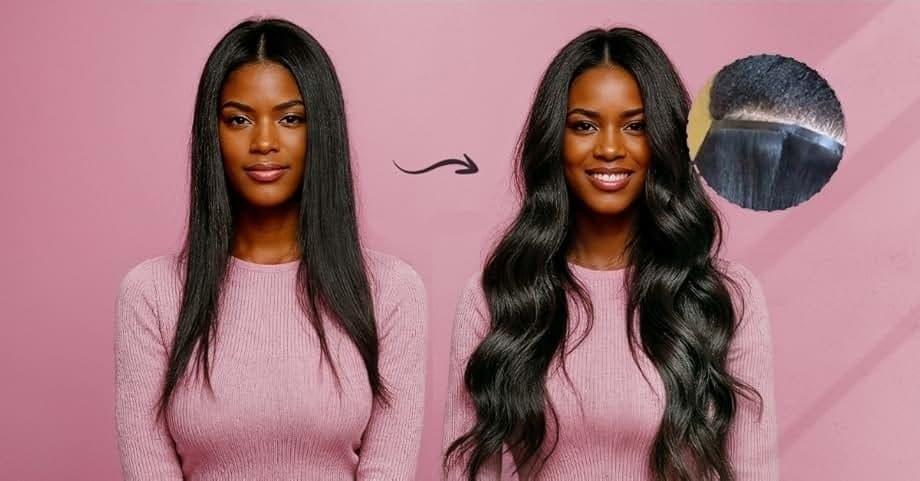
When properly managed, wigs can protect natural hair by reducing manipulation and heat exposure. Key habits include giving the scalp regular breaks, moisturizing the natural hair under the unit, avoiding excessive tension, and alternating between wig wear and natural styling to maintain edge health.
When choosing a vendor or a specific unit, consider:
Many wearers prefer to customize wigs: plucking a hairline, adding pre-colored highlights, changing the part, bleach-knots, or sewing in clips and bands. Custom services are often offered by stylists who specialize in wigs; these can raise the cost but dramatically improve fit and realism. If you DIY, proceed carefully and practice on lower-cost units first.
Beyond technicalities, wearing a wig is about comfort and confidence. Choose breathable caps in hot climates, secure solutions if you exercise, and consider light-weight densities for daily wear. Frequent wig wear doesn't mean giving up natural hair care — instead, integrate moisture treatments, scalp massages and protective practices into your routine.
If a friend, family member or reader is curious, offer a layered answer: yes, many do, for many reasons. Encourage respectful curiosity: ask whether they mean stylistic, cultural, maintenance or identity aspects and answer with empathy. If the question hints at judgment, share the historical and practical reasons people choose wigs and highlight the empowerment many find in the option.
New wig wearers often make preventable errors: wearing too tight a cap, skipping cap liners that protect edges, neglecting proper cleaning, or relying on harsh adhesives without proper removal. Educate yourself on gentle glue removers, invest in a wig stand, and book a professional install the first few times if possible to learn best practices.
Plan your budget around usage frequency. If you wear wigs daily, invest in higher-quality human hair units and proper storage; if occasional, mid-range synthetic units may suffice. Account for styling tools, adhesives, glue remover, cap liners, and professional customization as part of the total cost.
To summarize: the straightforward answer to "do black women wear wigs?" is yes, and the fuller response recognizes that wigs are tools for protection, experimentation, efficiency, and expression. Wigs come in many forms — machine-made, lace front, full lace, 360 and glueless systems — and the right choice depends on lifestyle, budget, desired realism and comfort. Proper installation, occasional professional care, and mindful maintenance maximize lifespan and minimize damage. Choosing a wig is also an act embedded in culture and identity for many people, and understanding that context matters when discussing choices and perceptions.
A: There's no one-size-fits-all answer; some wear wigs daily, others for special occasions, and many alternate. Frequency depends on lifestyle, protective goals and personal preference.
A: Not inherently. When installed properly, with attention to fit, moisture and scalp health, wigs can be protective. Problems arise with excessive tension, poor hygiene, or neglecting breaks between wears.
A: Yes. Human hair wigs can be heat-styled to mimic natural textures; synthetic wigs come in various textures too. For a seamless match, consider customizing a wig with a stylist experienced in textured hair patterns.
A: Full lace and high-quality lace front wigs with pre-plucked hairlines and appropriate density often provide the most natural look, but skillful customization and correct color matching are equally important.
Whether the question was practical, cultural or curious — "do black women wear wigs?" — we hope this comprehensive overview helps you see wigs as versatile, culturally meaningful and often health-oriented choices rather than a single-category answer. Explore options, seek reputable vendors, and if in doubt, consult a wig specialist or stylist familiar with textured hair to find a solution that honors both your beauty goals and hair health.