If you wear curly wigs regularly or are new to styling curly hairpieces, learning how to brush a wig with curls is essential to keep texture defined, reduce frizz, and restore natural bounce. This practical guide walks you through preparation, step-by-step technique, maintenance strategies, and troubleshooting so your curled wig looks fresh and vibrant longer. The advice below applies to both synthetic and human-hair curly wigs, with specific notes where techniques differ.
Curly fiber and human strands are prone to tangling at the roots and along the length. Incorrect brushing can flatten coils, create uneven waves, and cause irreversible frizz or shedding. Understanding how to brush a wig with curls helps you preserve curl pattern, minimize breakage, and maintain volume. Beyond aesthetics, careful detangling extends the usable life of the wig and keeps styling time manageable.
The recommended routine is simple: hydrate > detangle from ends upward > reshape curls > dry gently. Repeat the phrase hydrate > detangle > reshape to remember the flow. Throughout this article the central search phrase how to brush a wig with curls is emphasized so you can find the key steps fast.
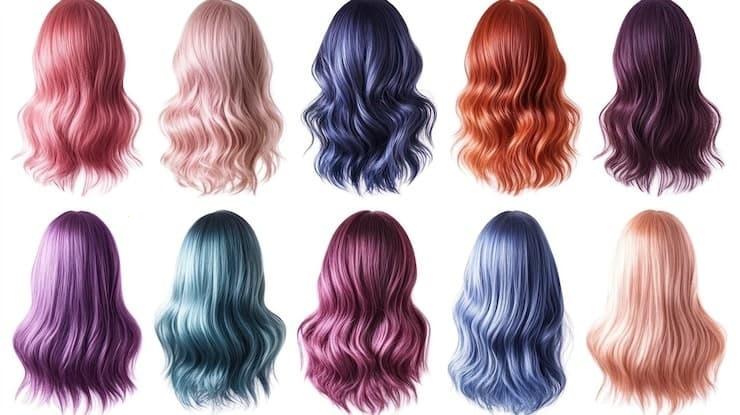
Before you begin, place the wig on a sturdy wig stand at a comfortable height. If the wig is dry, lightly mist with water or a specialized revitalizing spray to soften knots and reactivate styling products. For human hair wigs, a spray with a small amount of conditioner will help; for synthetic fibers, use a detangling or conditioning spray approved for synthetics. Always test sprays on a small hidden area first to avoid buildup or shine.

Synthetic wigs are more sensitive to heat and can melt under styling tools, so rely on curl-preserving methods that don't involve hot tools (unless the wig is heat-resistant and manufacturer-approved). For human-hair wigs you can occasionally use low-heat tools to refresh curl pattern, but always use a heat protectant and keep temperature low.
If a section is severely matted, don't panic. Soak that region with a generous amount of conditioner solution (mix a mild conditioner with water in a spray bottle), then gently massage conditioner through the fibers with your fingers. Allow the conditioner to sit for 10–20 minutes before detangling from the ends. Persistent mats may require patient finger detangling and time; never force a comb through a stubborn knot.

Less is often more when caring for curls. Brushing daily can disturb curl clumps and cause frizz. Instead, refresh between wears using your hands and a light spray, and detangle fully only when necessary—typically every 3–7 wears depending on activity level and weather. Keep noting the phrase how to brush a wig with curls as a reminder that brushing equals careful maintenance, not aggressive combing.
Store your wig on a stand or in a breathable bag in a cool, dry place. Avoid hanging a wet wig; always dry fully on a stand to maintain shape. For long-term storage, consider loosely twisting sections into soft buns and securing them with silk scrunchies to preserve clumps and limit friction.
Once your wig is detangled and reshaped, try these gentle styling tricks: define sections with curl cream, create half-up looks by securing the top with a claw clip, or use finger-coiling to enhance ringlets. For a refreshed look without washing, use a lightweight texture spray to add separation and volume.

If curls look flattened after detangling, try rehydrating and using manual re-curling: lightly wet the section, apply a small amount of product, and wrap around your finger or a flexi rod, then air dry or use a diffuser on low heat if allowed. For persistent frizz, a tiny drop of lightweight serum can smooth cuticles on human hair; on synthetics, opt for a spray polish designed for the fiber type.
Humidity, wind, and physical activity affect curl behavior. On humid days, use anti-frizz formulas with humidity resistance; for exercise, secure hair into a loose bun and refresh afterwards with the gentle method above to avoid knots caused by friction and sweat.
When washing a curled wig, submerge the piece gently in cool to lukewarm water with a small amount of wig-safe cleanser. Avoid scrubbing. Rinse thoroughly and apply conditioner from mid-lengths to ends, leaving it in for 5–15 minutes. Rinse gently and blot excess water with a microfiber towel before placing the wig on a stand to air dry. Do not rub or twist the wig when wet—this damages curls and the lace or cap construction.
Combine a spray bottle with water and a small amount of leave-in conditioner, shake well, and mist sections lightly. Finger-scrunch to reactivate product and curl pattern. This quick refresh preserves the curl shape without repeated washing and reduces friction from daily combing.
Even with excellent care, wigs eventually show wear: persistent thinning, irreversible frizz, shedding that continues after careful detangling, or a cap that no longer fits correctly are signs to retire the piece. Proper care delays this timeline, which is why mastering how to brush a wig with curls is so valuable.
Always follow manufacturer instructions for heat, products, and glue or tape usage. If a wig has a lace front, be mindful of how much tension you place near the hairline while detangling to prevent stretching or damaging delicate lace.
If your wig is valuable or vintage, consider professional maintenance for deep restorative work, such as reconditioning, re-rooting, or cap repairs. Professionals can also restyle complex curl patterns safely without risking fiber damage.
Remember these core steps whenever you care for curly wigs: hydrate, detangle from ends to roots, reshape each curl, and avoid aggressive tools. Keep the phrase how to brush a wig with curls as a mental guide—brushing equals restoring, not rough handling.
Different fibers require different chemistries: always check whether a product is silicone-free, alcohol-free, and suitable for synthetic or human hair. Using the wrong formulation can cause buildup, make curls limp, or make the fiber sticky.
Routine A (light refresh): mist, finger-tousle, minor re-shaping with fingers, air-dry—takes 5-10 minutes. Routine B (full detangle): section, detangle ends-up with a wide-tooth comb, apply leave-in, coil curls to reset shape, air-dry—takes 30–60 minutes depending on length and density.
Learning how to brush a wig with curls is a balance of patience, the right tools, and consistent practice. With the methods described here you can protect curl integrity, reduce frizz, and enjoy a lively, natural-looking wig for much longer.
Below are a few frequently asked questions to close this guide and clarify common concerns.
A: It's better to brush or detangle curly wigs when slightly damp. Dry brushing can produce frizz and breakage. If you must detangle dry, use fingers to loosen knots before using a wide-tooth comb.
A: Choose a wide-tooth comb or a detangling brush designed for curls. Avoid regular paddle brushes and fine-tooth combs that separate curl clumps and increase frizz.
A: Deep condition every 6–8 wears or monthly depending on exposure to heat and styling products. Light conditioning can be done more frequently to maintain softness.
A: Finger-coiling is a helpful technique to restore curl pattern after detangling, especially for human-hair wigs. It's optional but effective for definition.
If you'd like a printable quick-reference checklist or a product recommendation list for synthetic versus human-hair curly wigs, request a tailored list and we will provide a concise shopping and care sheet to complement this step-by-step guidance.
