If you've ever asked yourself can you use a hair straightener on a wig while planning a quick transformation before an event, this comprehensive guide unpacks everything you need to know about safely heat-styling wigs made from both synthetic fibers and human hair. From the science of fibers and temperature thresholds to step-by-step preparation, recommended tools, and professional tips, this guide focuses on practical, SEO-friendly advice so you can make informed styling decisions and keep your wig looking fresh longer.
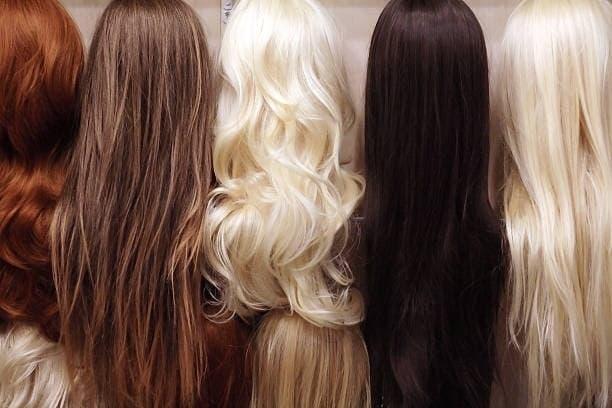
Before touching a heated tool to a wig, it's essential to identify what you're working with. There are two broad categories: human hair wigs and synthetic wigs (with a subcategory of heat-friendly or heat-resistant synthetics). The short answer to can you use a hair straightener on a wig is: yes, but only with caution and according to the wig's material and manufacturer's recommendations. Human hair accepts heat styling similarly to natural hair but still benefits from protective care. Most synthetic fibers, unless explicitly labeled heat-resistant, will melt, frizz, or become permanently damaged if exposed to a straightener.
Human hair wigs are forgiving: they respond to flat irons, curling irons, and blow drying almost like natural hair. That said, human hair wigs still require careful heat management, proper cleaning, and reconditioning to maintain cuticle integrity and shine.
Most everyday synthetic wigs cannot handle direct heat. Their fibers are plastic-based and vulnerable to melting or deformation. When you see products that warn "no heat" or "do not use heated tools," treat that as definitive. Attempting high-heat styling on regular synthetic fibers often leads to irreversible damage.
Some modern synthetic wigs are manufactured to withstand a degree of heat and can be styled with controlled temperature settings. Labels will typically say "heat-friendly," "heat-safe," or provide a maximum recommended temperature (often between 250°F–320°F / 120°C–160°C). Even then, conservative styling and testing a hidden strand first are essential.
Temperature control is the single most important variable when answering can you use a hair straightener on a wig. Below are conservative, practical guidelines you can adapt based on your wig's specifications and thickness:
Temperature charts can give a quick reference, but remember that tools vary in accuracy, so use a flat iron with a digital thermostat and test on a hidden section first.
The market offers a range of straighteners. For wig styling, look for the following features:
If you're concerned about direct heat, other tools and techniques work well: steam stylers for gentle reshaping, cold-setting with perm rods, or professional low-heat salon services. For short-term touch-ups, a blow-dryer on cool/low, combined with strategic brushing and product, can smooth frizz without direct flat-iron contact.
 Place the wig on a stable mannequin head or wig stand to get an even styling surface.
Whether you used heat on human hair or a heat-friendly synthetic, maintenance extends the wig's life. For human hair wigs, wash with sulfate-free shampoo, use a hydrating conditioner, and deep-condition monthly depending on usage. For synthetics, use products formulated for artificial fibers and avoid heavy oils that can weigh synthetic strands down.
Store wigs on stands to maintain shape, or in breathable covers. Avoid prolonged sun exposure and excessive humidity. Light brushing before and after wear prevents tangles and reduces the need for repeated heat styling.
If you're unsure about your wig's capabilities or are attempting a dramatic restyle (e.g., platinum blonde adjustments, chemical treatments, or repeated heat changes), consult a professional wig stylist. Professionals can safely re-shape wigs with controlled heat, custom cutting, and color blending without compromising integrity.
Myth: "All synthetic wigs can be straightened with the right iron." Reality: Most cannot. Only proceed if the wig says heat-resistant and follow exact limits.
Tip: Use a heat-resistant cloth or silicone mat under the wig stand to protect surfaces and reduce accidental overheating. Keep your flat iron clean—residue build-up can transfer to the wig and burn fibers.
Whenever you ask yourself can you use a hair straightener on a wig, the tester patch rule is your safety net: test a small, inconspicuous strand first at the chosen temperature and evaluate for any melting, discoloration, or coarse texture before proceeding to larger sections.
Below is a concise checklist to help you quickly decide how to proceed:
Some stylists blend human hair wefts with synthetic pieces for cost-effective volume. In these mixed scenarios, be conservative: treat the synthetic portion as the limiting factor and avoid temperatures that could damage synthetic fibers. Cover synthetic portions with a heat-blocking shield or isolate human hair sections during thermal styling to protect the synthetic blends.
If a wig sustains heat damage—matted texture, melted strands, or permanent frizz—options include trimming damaged ends, seeking a professional restylist for reconditioning, or, for severe cases, replacing the wig. Synthetic fibers that melt cannot be restored to their original state, so prevention is paramount.
Frequent heat styling shortens the lifespan of any wig. Rotate between styles, use low-heat alternatives, and keep wigs clean and well-conditioned. For daily wear, consider investing in multiple wigs to reduce constant styling stress on a single piece.
In conclusion, can you use a hair straightener on a wig depends entirely on the wig's construction: human hair wigs can be styled with heat with proper care; synthetic wigs generally cannot unless specifically labeled heat-friendly. When in doubt, err on the side of caution—test a small area, start with low heat, and prioritize protective products and professional advice where needed. With the right tools, technique, and maintenance, you can achieve polished, long-lasting styles while preserving the wig's health and appearance.
Look for ceramic or tourmaline flat irons with digital controls, heat protectants suitable for extensions/wigs, and wig-specific brushes. Manufacturers often provide a care card—keep it and refer to it before styling sessions.
By combining careful fiber identification, conservative temperature choices, and good aftercare, you'll confidently answer the practical question can you use a hair straightener on a wig and make styling choices that extend the life of your investment.
FAQ