If you've ever wondered can you reuse lace front wigs and how to get the most life out of an investment wig, this comprehensive guide walks you through realistic, step-by-step methods for cleaning, storing, and restyling so a lace front can be enjoyed again and again. The short answer is yes—lace front pieces are reusable—but the long answer involves knowing when to refresh, how to treat different fiber types, and how to balance wear frequency with gentle care. This article will help you build a care routine that maximizes longevity while keeping the lace and hairline natural-looking and comfortable.
Reusing wigs reduces waste, stretches your budget, and allows you to build consistency in your style. For those who buy premium human-hair lace fronts, reusing is a must if you want to keep the wig's color, cut, and texture intact over time. Even synthetic lace front wigs can be refreshed to regain bounce and shine. Understanding reuse also means recognizing limits: not every wig is meant for indefinite repeats—knowing how to spot wear and when to retire a unit is part of responsible wig stewardship.
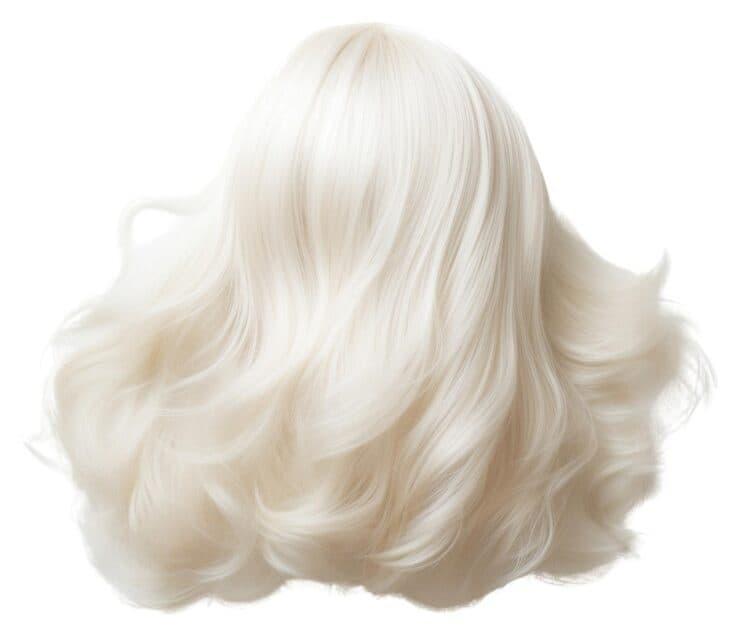
Before wearing a new lace front for the first time, take preparatory steps to improve reuse potential: gently brush through any knots in the hair, trim excess lace if needed, and perform a mild wash to remove factory residues. For human-hair wigs, consider a deep condition right away to hydrate fibers and reduce initial shedding. A small investment in a professional trim or style also helps reduce the temptation to over-manipulate the wig at home.
The cornerstone of deciding whether can you reuse lace front wigs depends on cleaning technique. Clean too often and you risk fading and weakening; clean too seldom and oils, sweat, and product buildup can degrade lace and hair. Follow these basic rules:
1. Detangle with a wide-tooth comb starting from ends.
2. Soak in lukewarm water with a small amount of gentle shampoo; do not rub lace aggressively.
3. Rinse thoroughly until water runs clear.
4. Apply a light conditioner from mid-lengths to ends; avoid saturating the lace base.
5. Rinse with cool water and gently blot with a towel; never wring.
6. Air dry on a wig head or mannequin to retain shape; avoid direct sunlight or high heat.
Synthetic fibers can tangle and lose style if washed incorrectly. Use cool water and a synthetic-friendly detergent. Avoid conditioners unless designed for synthetic hair. After washing, reshape gently, apply a synthetic detangling spray, and air dry on a wig head. Heat-friendly synthetics can be styled with low setting tools, but always test on a hidden section.
Frequent brushing is one of the fastest ways to reduce lifespan. Instead, use controlled detangling sessions and the right tools: wide-tooth combs, loop brushes for human hair, and specialized synthetic brushes. Always start at the ends and work up toward the lace. For lace front wigs, avoid heavy pulling near the lace base to prevent knot loosening and premature shedding.
Adhesives and glues are a critical factor when answering can you reuse lace front wigs. Many adhesives leave residue that weakens lace or irritates skin. To protect both the lace and your scalp:
Air drying on a wig stand is the safest option and helps maintain cap shape. For human-hair wigs, a low-heat blast from a hairdryer can speed drying—use a diffuser and never apply heat directly to the lace. While drying, use your fingers or a wide-tooth comb to smooth the hair into the desired part or flow to make styling easier once dry.
One essential to reusing a lace front is choosing styles that protect the hair and lace. Loose waves, soft parting, and low-tension updos reduce stress on the lace. Tight ponytails and heavy braids can strain the hairline and lace, so alternate between styles. For heat styling, always use a heat protectant for human hair wigs and test heat-friendly synthetics first.
Lightweight dry shampoos or wig-specific refreshers can lift oil and restore volume between full washes, which is especially handy when wearing a wig multiple times in a row. Use a wig cap on under the lace to reduce skin oils transferring to the wig, and reserve heavier products for the wig itself rather than the hairline where build-up can be most damaging.
How you store a lace front wig dramatically affects reusability. Correct storage prevents misshaping and tangling and slows aging of the lace. Key storage methods include:
Not every issue needs a new wig. Restyling, deep conditioning, or having the lace professionally repaired are often cost-effective alternatives. Signs that it may be time to replace a wig include severe shedding, irreparable lace tears, uncontrollable matting, or permanent loss of fiber integrity. If the lace darkens or thins significantly at the hairline, the natural look will be compromised and a new unit might be necessary.
Professional maintenance can extend life dramatically. Services include:
Investing in professional repairs is often cheaper than buying a new high-quality lace front.
Avoid these frequent errors to improve reuse potential: sleeping with a lace front uncovered, using high-heat tools on synthetics, skipping gentleness when removing adhesives, and storing wigs in compressed or humid areas. Small, consistent habits protect both the hair fiber and the delicate lace base.
If you plan to wear a lace front on the go, pack a travel kit: a lightweight stand, a compact wig brush, adhesive remover wipes, a small bottle of leave-in conditioner or detangler, and a satin pouch. For extended trips, rotate between two wigs to reduce wear frequency on either unit.
Simple at-home practices boost reuse: sew a soft ribbon along the interior hairline to reduce friction, apply a silk or satin liner to reduce oil transfer, or stitch in a small elastic band for better fit without relying on tight adhesives. These small mods reduce stress on the lace and hairline so you can reuse more confidently.
Daily: brush gently, air out after wear, remove adhesives with a wipe if needed.
Weekly (or every few wears): light freshen with a wig-specific refresher, inspect lace edges.
Monthly: thorough wash for seldom-worn wigs or more frequent for daily-wear units, condition human-hair wigs, deep detangle and reshape.
When deciding whether to invest time in reuse, consider the original price and quality: high-quality human-hair lace fronts typically justify regular maintenance expenses, whereas lower-cost synthetics may be more practical to replace often. That said, even an inexpensive lace front can be reused multiple times with the right washing and storage techniques.
Reusing lace front wigs also aligns with sustainable beauty goals. Reducing replacements lowers textile waste and demand for resource-intensive manufacturing. Choose biodegradable or water-saving cleaning products where possible, donate gently used wigs, and recycle packaging to minimize environmental impact.
For those with sensitive skin, alternating adhesives and using hypoallergenic options helps. Clean the scalp before each wear and use barrier sprays. Regularly cleaning the interior cap of oils and dead skin reduces irritation and extends both the scalp's and wig's health.
To keep a realistic hairline after several wears: use minimal product near the lace, opt for invisible thread for hairline reinforcement, and refine parting with a light concealer sparingly. If the lace begins to show more than you'd like, consider a delicate baby-hair trim or a tapered cut to integrate with natural texture.
Yes, you can reuse lace front wigs, and with thoughtful care—proper cleaning, careful adhesive use, gentle styling, and smart storage—you can enjoy the same unit many times. The phrase can you reuse lace front wigs is the starting point; the practices outlined here are the answer in action. Reuse is practical and cost-effective when matched with correct care choices that suit the wig's fiber and construction.
Problem: Lace lifts within a day. Fix: Clean both the skin and lace thoroughly, reapply adhesive correctly, and allow adhesives to cure.
Problem: Persistent tangles and matting. Fix: Deep condition for human hair or use detangling sprays for synthetic; consider a professional detangling service.
Problem: Discolored lace. Fix: Use lace tint or a small amount of concealer to match, or replace lace if severely damaged.


Following these steps will help you answer "can you reuse lace front wigs" confidently and practically. Reuse isn't only possible—it's an act of skilled maintenance that keeps your style consistent and your investment wise.
It depends on fiber quality and care. High-quality human-hair lace fronts can be reused dozens of times with proper maintenance; synthetics have shorter lifespans but can still be reused multiple times if treated gently.
Sleeping in a lace front increases friction and tangling; it's safer to remove it or use a silk/satin sleep cap and tie the wig loosely to reduce strain on lace and hairline.
Human hair lace fronts can be redyed, but repeated chemical processing shortens lifespan. Synthetic wigs generally cannot be dyed with regular hair color; consult manufacturer recommendations.
By implementing a routine and being mindful of the delicate components—the lace, the hairline, and the fibers—you turn the question "can you reuse lace front wigs" into a strategy for saving money, reducing waste, and keeping your looks fresh and natural over many wears.