If you've ever wondered "can you curl a wig with a curling iron" the short answer is: yes — but with important caveats depending on the wig type, heat tools, and preparation. This comprehensive guide explains step-by-step techniques, recommended heat settings, safety tips, product suggestions, and troubleshooting to help both beginners and experienced wig-wearers successfully style synthetic and human-hair wigs. Throughout this article you'll find actionable tips to keep fibers intact, preserve cap construction, and create long-lasting curls. can you curl a wig with a curling iron is a common search query; this page aims to be the practical, SEO-friendly resource you can trust.
The idea of curling wigs raises unique concerns: synthetic fibers may melt or become permanently damaged at high temperatures, while human-hair wigs behave like natural hair but still need gentle handling to maintain longevity. Answering can you curl a wig with a curling iron requires addressing: fiber composition, heat tolerance, tool selection, and pre- and post-styling care. Below you'll find a structured approach covering each variable so you can achieve salon-worthy curls safely.
Synthetic wigs are made from man-made fibers like kanekalon, toyokalon, or proprietary blends. They are popular for affordability and low-maintenance looks, but their heat tolerance varies. Many traditional synthetic fibers will melt, frizz, or lose their shape when exposed to curling irons or hot tools above certain temperatures. However, modern heat-resistant synthetics can handle low to moderate heat and may be styled with a curling iron set on low, using protection and short exposure.
Human-hair wigs can generally be styled like natural hair: blow-dried, curled, straightened, and heat-treated. Heat tools can be used at moderate temperatures, but remember that hair already processed (colored, bleached, or chemically treated) is more fragile and needs lower heat and extra conditioning. If you ask can you curl a wig with a curling iron and yours is human hair, the answer is yes with sensible heat settings and protective products.
Preparation determines success. Whether your wig is synthetic or human, proper prepping minimizes damage and produces uniform curls. Follow these steps:
Picking the right temperature is the heart of the answer to can you curl a wig with a curling iron. The safe range depends on fiber type:
Always do a strand test on an inconspicuous area before committing to styling the entire wig. This test answers your personalized version of can you curl a wig with a curling iron for that specific piece.
Step 1: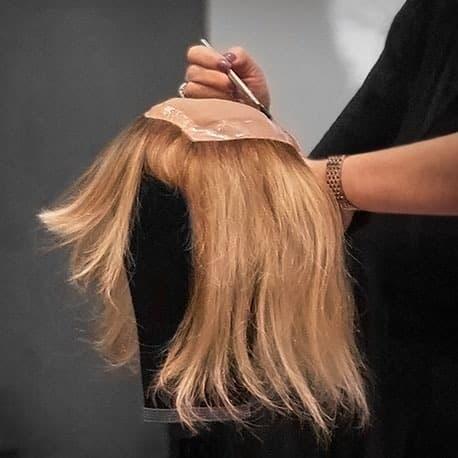 Place the wig on a mannequin head and brush gently to remove tangles.
Step 2: Apply a light heat protectant throughout the hair and allow it to sit for a minute.
Step 3: Section the hair into 1–2 inch parts and clip the rest away.
Step 4: Set the curling iron to 320°F–365°F depending on hair condition. Wrap the hair around the barrel, hold for 6–12 seconds, then release. For looser waves, use larger sections or a bigger barrel. For tight curls, use smaller sections and slightly higher heat but shorten the hold time.
Step 5: Allow curls to cool completely before tousling. Spritz with a light-hold spray or serums designed for wigs to lock the style.

Step 1: Confirm the label indicates "heat-resistant" or "heat-friendly." If uncertain, perform a strand test.
Step 2: Use a curling iron set to the lowest recommended temperature (around 250°F–300°F). If your iron has a "synthetic" setting, use it.
Step 3: Protect the fiber with a suitable spray designed for synthetics. Traditional human-hair protectants can leave residues on synthetic fibers, so choose carefully.
Step 4: Work in small sections. Wrap and hold for 3–8 seconds only. Synthetic fibers often set faster but can also lose integrity if overheated.
Step 5: Cool the curls fully and avoid brushing; finger-comb or use a wide-tooth comb to shape. Finish with a lightweight wig-specific styling product.
If you notice shiny, sticky, or melted patches immediately stop applying heat and assess. These are signs of excessive temperature or non-heat-safe fibers. Trim only if necessary, and replace the wig if damage is extensive. Prevention involves always checking fiber type and doing a strand test.
For human-hair wigs, this often means insufficient product or improper cooling. Let curls cool untouched and use a light holding spray. For synthetic wigs, the fiber memory may require tighter winding or different hold products. Heat-resistant synthetics can hold shape well when set correctly.
Frizz can be due to high heat or dehydration. For human-hair wigs, deep conditioning and smoothing serums help. For synthetic wigs, use anti-frizz sprays formulated for synthetics and avoid alcohol-based products that dry fibers.
Beyond basic curls, consider these styling approaches:
Caring for your wig extends the life of your styling. For human-hair wigs, regular conditioning, minimizing heat exposure, and storing on a stand reduce tangling and preserve curl patterns. For synthetic wigs, avoid everyday heat, use wig-specific shampoos, and store in a cool, dry place. When you first curl a wig ask yourself again: given the outcome, was the heat level appropriate? If you find recurring damage, reduce heat or switch to heatless methods.
When choosing tools and products, prioritize adjustable temperature irons, ceramic or tourmaline plates/barrels, and wig-specific heat protectants for synthetics. For human-hair wigs, choose sulfate-free shampoos and deep-conditioning masks to keep cuticles healthy so curls look shiny and last longer.
Use this checklist every time: 1) Identify fiber type. 2) Confirm heat tolerance on the label. 3) Do a strand test. 4) Pre-treat with a heat protectant suitable for that fiber. 5) Use a temperature-appropriate setting and limit hold time. 6) Let curls cool fully before styling. If you follow these steps you'll consistently answer in the affirmative to can you curl a wig with a curling iron—but always with caution.
If you own an expensive human-hair wig, have complex color treatments, or fear damaging a prized synthetic piece, consider seeking a professional wig stylist. They can heat-style with precision, recommend products, and even pre-shape wigs for easy at-home touch-ups. For rare or vintage wigs, professional advice preserves value and appearance.
So, can you curl a wig with a curling iron? Yes — if you follow the right protocol. Human-hair wigs are flexible and heat-friendly with proper care. Heat-resistant synthetic wigs can be curled cautiously at low temperatures. Non-heat-friendly synthetics should never be exposed to curling irons and need heatless methods. The keys are correct identification, appropriate tool settings, protective products, and gentle technique.
Remember to repeat the keyword in your internal notes or page metadata to boost SEO relevance: can you curl a wig with a curling iron. Use descriptive alt text for any images you add to your article, internal links to related styling guides, and structured headings like those used above to improve readability and search ranking.
For a natural finish, alternate curl direction, vary section widths, and finish with a flexible-hold product. If using a lace-front wig, pay special attention to the hairline and avoid direct heat on the lace to protect glue and integrity. When storing curled wigs, place on a stand and protect with a satin or breathable cap to preserve style.
