This in-depth guide helps you navigate the often confusing world of hair replacement and styling, focusing on realistic options, fit strategies, and long-term care so you can confidently choose and maintain man wigs that look natural and feel comfortable. Whether you're exploring a discreet hair addition, testing a new style, or seeking a replacement solution, this resource covers selection criteria, construction types, color matching, sizing, adhesives, maintenance routines, and shopping tips to achieve the most authentic results.
Natural appearance isn't just about hair quality; it's the sum of cap construction, lace detailing, density, color blend, hairline customization, and how the piece sits on your head. Investing time in understanding these elements will help you select man wigs that integrate seamlessly with your natural hair and facial features. The right choice reduces maintenance headaches and boosts confidence in both casual and professional settings.
Each base offers different benefits for comfort, styling, and durability — choosing the right one depends on lifestyle, budget, and desired realism.
Accurate sizing is foundational to comfort and realism. Use a soft tape measure and record three dimensions: circumference, front-to-back (hairline to nape), and ear-to-ear across the crown. Many suppliers provide size charts — compare your measurements to select small/medium/large or custom cap sizing. If possible, opt for professional fitting or a custom-made unit for the best alignment of the hairline and ear tabs.
Color-matching is more than picking a shade; it's about achieving depth and dimension. Natural hair rarely is a single flat tone. When selecting man wigs, choose multi-tonal shades or request subtle highlights and lowlights that complement your skin tone and natural remaining hair. For men with gray blends, consider salt-and-pepper mixes that reproduce typical aging patterns rather than full silver or full dark shades.
Density should reflect the natural distribution you had before hair loss. Choose moderate density and request tapering at the hairline and crown to mimic natural thinning patterns if relevant.
Human hair affords the ability to use heated tools, color, and chemical treatments like you would with natural hair. For men seeking frequent restyling or permanent color changes, human hair is preferred. Quality synthetic fibers, however, have improved dramatically and some premium fibers are heat-resistant up to specified temperatures. They maintain style through humidity and return to shape after washing, making them low-maintenance for active lifestyles.
Choosing an attachment technique depends on activity level, desired security, and maintenance willingness. Common options include: tape, liquid adhesives, clips, integrated velcro solutions, and natural methods like fitting to existing hair for partial pieces.
Adhesives provide the strongest hold and the most natural look when applied to a thin skin edge. Tapes are convenient and relatively low-mess but may need more frequent reapplication. Clips are best for temporary wear but can cause stress on existing hair if not used properly. Discuss your daily routine with a certified stylist or technician to choose an attachment that matches your needs.
Proper cleaning, conditioning, and storage extend the life of man wigs. For human hair pieces, use sulfate-free shampoos, deep conditioning treatments, and occasional protein treatments to restore elasticity. Synthetic units benefit from low-friction washing techniques, light conditioning sprays formulated for synthetic fibers, and cool air drying.
Some of the most convincing results come from post-purchase customization: bleaching knots to reduce visibility, single-hair hand-knotting at key areas, thinning and texturizing by a skilled stylist, and adding subtle baby hairs. Professional customization often costs extra but dramatically improves realism.
If you need an exact match for hairline, scalp shape, or color nuances, a custom-made piece is worth consideration. Off-the-shelf units are more affordable and viable for many, but custom units ensure the finest fit, a precisely matched hairline, and individual parting that mirrors your natural growth pattern.
Buying in person allows for immediate fitting, hands-on inspection, and expert adjustments. If ordering online, choose sellers with generous return policies, clear measurement guides, and multiple high-resolution photos showing different lighting and angles. Read verified customer reviews and request sample strands or color swatches when possible.
When buying man wigs online, verify the following:
Price ranges vary widely. Synthetic units can be relatively affordable, while human hair and custom constructions are more expensive but offer greater durability and realism. Consider long-term value — a higher upfront investment in quality may reduce replacement frequency and provide better styling options.
Ask about warranty, repair services, and available upgrades like lace fronts or monofilament inserts that can be added later.
Many users choose overly dense units, neglect professional customization, or skip routine maintenance. Avoid selecting the darkest or lightest shade available without testing, and don't assume one popular style fits all — facial shape, head size, and lifestyle factors should guide your decision.
Prepare photos of your preferred look, note your daily activities, and list any allergies or scalp sensitivities. Ask for specific details about cap breathability, base material, and recommended adhesives for your skin type. Confirm expected lifespan and maintenance requirements so there are no surprises after purchase.
Consider discreet add-ons that increase realism and convenience: wig liners to absorb sweat, breathable caps for comfort, hair fibers for local blending, and scalp concealers for part blending. For those who exercise frequently, look for sport-friendly attachments or specialized ventilation in the cap.
Short conservative styles often require less customization and can be made to look highly natural with minimal maintenance. Medium-length layered looks need thoughtful density control and blending. For longer styles, prioritize strong base constructions and secure attachment systems to manage weight and movement.
When you try on samples, move naturally — swing your head, simulate wind, and check scalp visibility in different lighting. A convincing piece should remain undetectable during normal activity.
Tip: Always photograph your selected piece under daylight and indoor lighting to detect any color shifts or reflective base material.
Ask suppliers about hair origin, ethical sourcing, and whether the hair was processed using harsh chemical treatments that could affect longevity. High-quality human hair maintains cuticle direction and responds to conditioning; synthetic options will state heat tolerance and fiber composition.
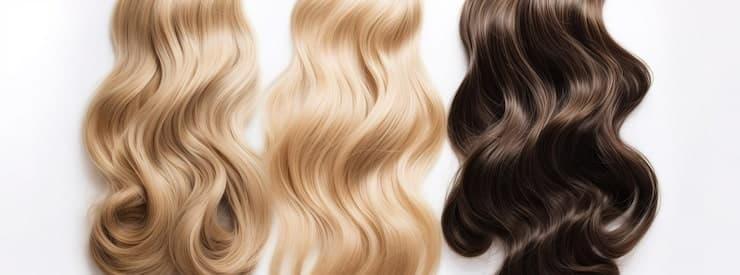
Combining a proper cap choice with color blending, realistic hairline customization, accurate measurements, and consistent maintenance forms the foundation of an undetectable solution. Prioritize fit and realism over purely aesthetic choices, and remember that professional adjustments often yield the best long-term satisfaction with man wigs.
Schedule a fitting with a hair replacement specialist, request color swatches, or ask for a trial period when purchasing online. Test different attachment systems if you are active, and plan for a professional customizing session post-purchase. With careful selection and maintenance, your hairpiece can deliver a comfortable feel and a highly convincing look.

Replacement depends on wear, exposure, and construction: synthetic pieces typically last 6–12 months with regular use while quality human hair pieces can last 12–36 months or longer with proper care and occasional repairs.
Swimming in chlorinated or salt water can damage adhesives and some human hair treatments; use waterproof attachment options or remove the unit when swimming. For exercise, breathable caps and secure tapes or adhesives designed for sport help maintain stability.
Human hair units can be colored or chemically treated by a skilled stylist; synthetic fibers should only be colored if specifically designed for that purpose. Always perform strand tests and consult professionals to avoid irreversible damage.
For further personalized advice, connect with licensed stylists or certified hair replacement consultants who can assess scalp condition, recommend ideal cap constructions, and provide hands-on customization to maximize the natural effect of your chosen man wigs.