This article explores in depth the religious, historical, cultural and practical reasons behind the widespread practice among many observant Jewish communities of married women covering their hair with a wig, commonly known in Yiddish as a "sheitel". The question why do married orthodox jews wear wigs reaches into sources of Jewish law (halacha), social modesty norms, communal identity and contemporary adaptations. Below you will find a structured guide that covers scriptural and rabbinic foundations, historical development, variations across communities, production and styles of wigs, modesty debates, modern legal and social issues, and practical tips for families and communities navigating this custom.
At the heart of the practice are a few interlocking halachic concepts: modesty (tzniut), marital privacy, and the prohibition against "going out" with a head that has been deliberately exposed in a way considered immodest. While the Torah does not explicitly command married women to cover their hair with a wig, the Talmud and later rabbinic sources discuss the propriety of a married woman's hair being covered as an expression of modesty and as a sign of her married status. Over time these dicta were codified by major halachic authorities. Understanding why do married orthodox jews wear wigs requires familiarity with sources like the Talmudic discussion in Ketubot and later codifiers such as the Shulchan Aruch, who addresses notions of public decorum and the distinction between permitted and prohibited display.
Historically, Jewish women used a variety of head coverings depending on region, period and social class: veils, scarves (mitpachat), hats, kerchiefs, and later, wigs. In some European communities, wigs were adopted because they blended with contemporary styles or were perceived as more practical and presentable in public while still affording the halachic requirement of hair covering. To answer why do married orthodox jews wear wigs one must appreciate that the sheitel evolved as both a religiously acceptable covering and as a social adaptation—allowing a woman to maintain modesty while participating in public life and commerce.
The options commonly used include scarves, hats, snoods, berets and wigs. Each community and family chooses based on halachic interpretation, aesthetics, climate and personal preference. Wigs have particular appeal because they can closely resemble natural hair, offering a seamless appearance in many social and professional settings. For some women the wig is a way to maintain privacy about the marital status while also allowing ease of grooming. When exploring why do married orthodox jews wear wigs, consider that a wig can balance the values of modesty and social integration.
Not all rabbis agree about the permissibility or desirability of wigs. Some authorities endorse wigs unequivocally, while others are concerned that certain styles of wigs are too glamorous and defeat the purpose of modesty. A nuanced approach to why do married orthodox jews wear wigs shows that the debate centers on intent and effect: if a wig draws undue attention or is styled to appear sexually attractive, some poskim (decisors) object. Conversely, if a wig simply covers the natural hair and is modest in style, many authorities permit or even recommend it. There are also specific halachic questions about whether very high-quality, natural-looking wigs actually become an issue because they appear as uncovered hair; relevant authorities examine context, community norms and the wig’s appearance.
Different Jewish communities have distinct norms. In many Hasidic communities, married women typically wear wigs that may vary by sect—some opt for wigs that look less natural or add scarves or hats on top to ensure obvious hair covering. Some Sephardic communities have historically favored scarves or hats over wigs, while within Modern Orthodox circles, women may choose a wide range of coverings or no covering at all depending on personal piety and community standards. The question why do married orthodox jews wear wigs is therefore answered differently across communities: for some it is normative and expected, for others it is a personal choice shaped by halacha and local custom.

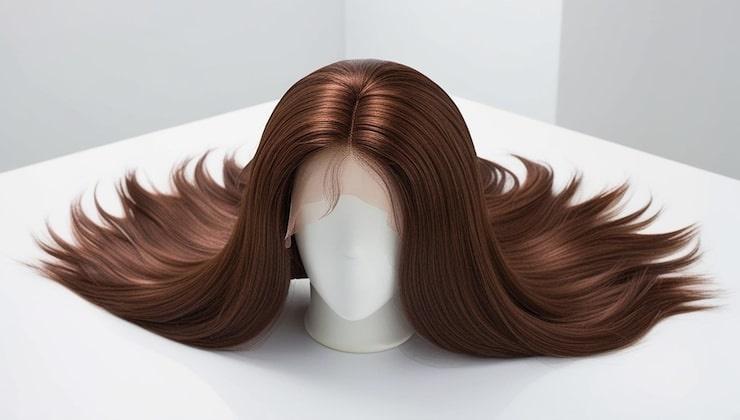
Wigs range from synthetic, cost-effective models to high-end human-hair custom sheitels that can be expensive. Practical questions many families ask include how long a wig lasts, how to clean and style it, and whether synthetic fibers can cause scalp irritation. Modern wig makers offer lightweight options, caps designed for comfort and breathability, and treatments for longevity. The choice of wig often reflects both budget and lifestyle. Addressing why do married orthodox jews wear wigs also involves acknowledging the substantial practical investment some women make to fulfill communal expectations comfortably and durably.
For many women a wig is not only a halachic fulfillment but also a way to express personal taste. Wigs come in a wide array of colors, cuts and textures, and some women derive confidence from tasteful wigs that complement their wardrobe. At the same time, since the underlying motivation in many communities is modesty, women may choose subdued styles that do not draw undue attention. Conversations about why do married orthodox jews wear wigs often return to the tension between fashion and modesty—and the variety of ways women reconcile the two.
“Wigs can be an expression of dignity and identity without undermining the values that motivate hair covering,” observes one community leader, reflecting the balance many attempt to strike.
There are critical perspectives both inside and outside Jewish communities. Critics argue that expensive, glamorous wigs can perpetuate social inequality or even encourage immodesty if styles mimic provocative trends. Some feminist critics question whether enforced hair covering reinforces gendered expectations. Within the halachic world, debates persist about the acceptability of wigs that very closely mimic uncovered hair. Those asking why do married orthodox jews wear wigs should be aware of the nuanced internal conversations about optics, intention and communal values.
In pluralistic societies, questions sometimes arise about religious accommodations in the workplace, schools or public life for women who wear sheitels. Most jurisdictions protect religious attire and practices; employers typically make reasonable accommodations for employees’ religious dress. Practical points include whether a wig interferes with a required uniform, helmet or safety equipment, and how to ensure both safety and observance. For families and employers alike, dialogue and mutual respect usually solve conflicts. Framing the question why do married orthodox jews wear wigs in public institutions often requires knowledge of both religious practice and local employment law.
Understanding the wig-market sheds light on ethical questions and quality. Human-hair wigs vary by origin—cut hair from donors in different countries, processed and colored—while synthetic wigs rely on advanced fibers. Ethical sourcing, humane procurement and transparency have become more prominent concerns. Some consumers seek vendors committed to ethical practices, and communal leaders sometimes provide guidance on reputable suppliers. Those who wonder why do married orthodox jews wear wigs may find it helpful to learn about sourcing, craftsmanship and the industry’s standards for quality and ethics.
The reasons a particular woman chooses a wig are often deeply personal and layered: family tradition, a rabbi’s guidance, comfort, aesthetics, workplace needs, or a desire for privacy. Oral histories and contemporary interviews reveal diverse motivations and experiences that defy one-size-fits-all explanations. In many cases, wearing a wig is part of a woman’s holistic practice of faith and identity rather than a single-motive decision. Collecting these testimonies helps answer why do married orthodox jews wear wigs in human terms—beyond legal texts and communal rules.

For those supporting married women—whether spouses, parents or communal authorities—sensitive guidance can help navigate this topic. Recommendations include open communication about expectations, respect for personal choice within halachic bounds, practical support for wig care and budgeting, and educational materials that explain religious rationales without shaming divergent practices. When communities face disputes over appropriate styles or norms, forums for respectful discussion and clear halachic guidance can reduce tension.
The contemporary landscape sees both continuity and change. Technology in wig-making, global fashion trends, and evolving roles for women mean that practices continue to adapt. Not every community will follow the same path; yet the central themes that explain why do married orthodox jews wear wigs—modesty, marital identity, halachic interpretation and social life—remain constant. Observant communities continue to negotiate the balance between tradition and modernity, sometimes resulting in creative compromises and diverse local norms.
In short, married Orthodox Jewish women wear wigs for a blend of religious, social and practical reasons. The practice is rooted in halachic discourse on modesty and marital distinction, shaped by centuries of custom, and diversified by communal and individual preference. The wig serves as a means of fulfilling religious obligations while participating in public and professional life, but its acceptability depends on style, intent and communal standards. To understand why do married orthodox jews wear wigs is to appreciate this interplay of law, culture and personal choice.
For readers seeking more detail, recommended steps include studying primary texts and classical commentaries on tzniut, consulting modern rabbinic responsa that address wigs and appearance, and exploring anthropological and sociological studies on Jewish dress. Local community centers, women’s education programs and rabbinic offices often provide workshops and practical guidance about wig care, ethical sourcing and appropriate styles in context.
A1: No single rule fits every community. Some authorities consider hair covering obligatory while others allow different types of covering. Whether a wig is mandatory depends on rabbinic rulings and local custom; consult community rabbinic leadership for specifics.
A2: Opinions differ. Some poskim express concern when a wig is indistinguishable from natural hair because it may defeat the modesty purpose; others permit natural-looking wigs if they are intended as a covering and not meant to attract undue attention. Context and community norms matter.
A3: Research reputable vendors, ask about hair sourcing, request references, and learn care techniques. Consider budget, desired aesthetics and longevity when choosing between synthetic and human-hair options.
A4: Yes, in many communities women layer a wig with a hat or scarf to ensure visible coverage or to conform to local customs that prioritize obvious head coverings.
