The simple question where do wigs come from opens a complex world of global supply chains, traditional practices, modern manufacturing and evolving ethics. Whether you are exploring a human hair wig for a natural look, weighing the benefits of synthetic fibers for budget and styling, or trying to trace a product's origins to ensure ethical sourcing, knowing the answer can transform your buying choices. This guide breaks down the primary sources, processing steps, materials, and transparency practices you should know in 2025, while offering actionable tips to identify quality and sustainability.
At a glance, wigs originate from three broad categories: human-sourced hair, animal-derived or blended fibers (less common), and synthetic manufacturing. Each category has multiple subtypes and processing paths. Below is a breakdown so you can quickly understand differences and implications.

When consumers ask where do wigs come from they most often refer to human hair. Human hair originates from scalp donations, temple consecrations, commercial hair collection centers and local salons. Common collection regions include India, China, Eastern Europe (notably Russia and Ukraine historically), Brazil, and some Southeast Asian countries. Each region contributes distinct texture, color and quality attributes that wig makers leverage to create diverse product ranges.
India is one of the largest suppliers of human hair due to cultural practices where devotees offer hair at temples as a form of sacrifice or thanksgiving. This untouched temple hair is often highly prized because it is collected in a single cut and retains aligned cuticles, making it suitable for premium "remy" or "virgin" labels. However, temple collection does not automatically guarantee ethical sourcing; reselling practices and intermediaries can complicate traceability.
China historically supplies massive quantities of hair that are often sorted, processed, dyed and bundled for export. Many raw hair shipments pass through China for quality control and processing, then ship to manufacturing hubs that turn them into finished wigs or hair extensions. Buyers should question how the hair was sourced before arriving in processing facilities.
Hair from Eastern Europe is sometimes sought after for European textures and thickness. While smaller in volume, these sources can yield premium-grade hair that aligns more naturally with certain skin tones and styling expectations.
Some manufacturers source hair from salons where people sell hair they cut. This is common for ponytail donations and makes hair collection decentralized. These collections may vary widely in quality and traceability depending on how they are aggregated and processed.
One of the most important distinctions is whether hair is remy. If you want to know where do wigs come from in terms of quality, ask whether the wig is remy. Remy hair has aligned cuticles all facing the same direction, which minimizes tangling and produces a more natural appearance. Non-remy hair is often prone to tangling because cuticles face random directions and may be processed to smooth the surface, which can reduce longevity.
The journey from raw hair to a wearable wig includes sorting, washing, de-tangling, bleaching, coloring, chemical processing, steam-setting, and finally construction into a wig cap — often lace-front, full-lace, or machine-tied bases. Each step affects durability and feel. Over-processing can compromise the hair's integrity, which is why reputable suppliers emphasize minimal chemical interventions and provide detailed descriptions of treatments.
Wigs are assembled using different techniques that influence comfort, movement, and price. Hand-tied wigs involve individually knotting hair to the cap, offering the most natural movement and a lightweight feel. Machine-made wigs are sewn on wefts and are generally more affordable but may lack the natural scalp-like look. Hybrid options attempt to balance cost and realism by combining hand-tied fronts with machine-wefted backs.
Synthetic wigs answer the question where do wigs come from in a very different way: from petrochemical raw materials turned into fibers like modacrylic, kanekalon, and advanced heat-resistant blends. These fibers are extruded, shaped, dyed, and heat-treated to mimic human hair aesthetics. Innovations in polymer science have improved heat resistance and texture realism, making synthetic wigs more versatile than ever. They are ideal for consumers wanting low maintenance, predictable styling, and lower cost.
To balance cost and realism, many manufacturers offer blended wigs that combine human hair with high-grade synthetic strands. These hybrids can offer a realistic hairline while keeping costs down. If you're trying to figure out where do wigs come from in a blended product, ask the vendor for precise percentages and whether the human hair portion is remy or virgin.
Ethics in hair sourcing is now a pivotal part of answering where do wigs come from. Responsible brands emphasize traceability, fair compensation to donors, and transparent supply chains. Certifications and independent audits can help shoppers verify claims: look for supply-chain documentation, fair-trade declarations, supplier audits, and factory inspection reports. Some high-end brands also partner with non-profits to ensure donors are informed and compensated.
When investigating where do wigs come from in terms of environmental repercussions, consider both human hair and synthetic fibers. Human hair is biodegradable, but chemical processing and transportation create environmental costs. Synthetic fibers are derived from plastics and contribute to microplastic pollution when washed or discarded. New approaches include using less harmful dyes, water-free processing technologies, recycling programs, and biodegradable synthetic alternatives. Brands with a sustainability promise will generally disclose lifecycle assessments and recycling options.
Quality indicators help determine whether a wig's origin aligns with its marketing. Look for:
Price is often a proxy for origin and quality but not always. Genuine virgin remy hair from temple collections or reputable donor programs will command premium prices due to limited supply, higher processing standards, and labor-intensive construction. Mass-market, low-cost wigs frequently source mixed-origin hair or heavily processed lots that reduce production cost but may sacrifice longevity.
To confirm where do wigs come from you can request supplier documentation such as batch numbers, certificates of origin, and photos from collection sites. Responsible retailers will not hesitate to provide evidence. In addition, independent labs can test fibers to distinguish human hair from synthetic and to detect heavy chemical treatments.
How you care for a wig affects how long it will resemble its original condition. Human hair wigs benefit from salon-grade products, gentle detangling, minimal heat styling (or heat-protectant products if resistant), and storage on a mannequin head to retain shape. Synthetic wigs require specialized detergents and avoidance of high heat unless labeled heat-friendly. Proper maintenance is especially crucial if you've invested in ethically sourced remy hair.
When deciding which product to buy and asking where do wigs come from, follow these practical steps:
Advances in textile science, ethical procurement software, blockchain-based traceability, and new biodegradable synthetic fibers are reshaping how we answer where do wigs come from. Blockchain proofs of origin can pair a wig with a verifiable history from donor to finished product, while improved recycling initiatives aim to close the loop for synthetic fibers. These innovations are making transparency easier and more reliable for conscientious consumers.
Understanding origins is not just about geographical location—it's about the ethics, processing, and sustainability embedded in the supply chain.
Below are several misconceptions that can confuse buyers looking into where do wigs come from:
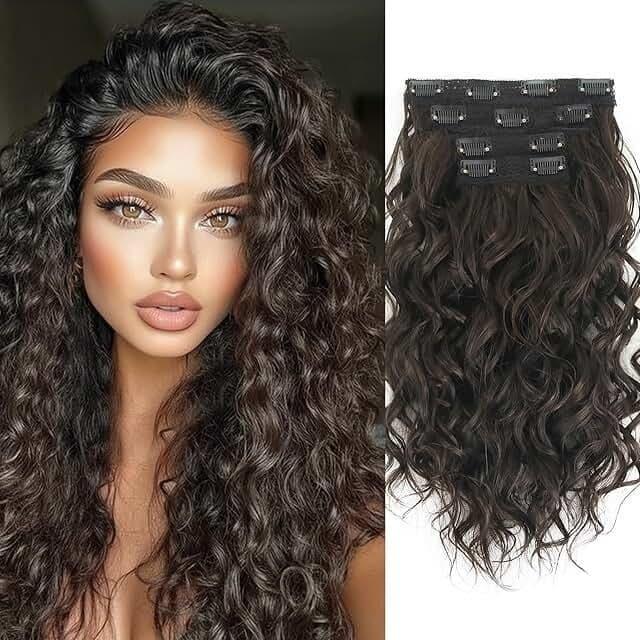
Example 1 — Temple hair wig: Collected in India, minimally processed to preserve cuticles, shipped to a boutique manufacturer that hand-ties the lace and verifies donor documentation. Example 2 — Mass-market synthetic: Manufactured in an industrial polymer plant, extruded into fibers, dyed in large batches, and assembled on machine-wefted caps for rapid retailer distribution. Each pathway yields different expectations for cost, lifespan and ethical footprint.
Use this quick checklist to assess product claims about origin and quality:
Answering the question where do wigs come from requires more than a geographic label; it requires an understanding of the supply chain, processing methods, and the ethical and environmental trade-offs involved. In 2025 consumers have more tools than ever—documented provenance, independent certifications and advanced synthetic alternatives—to make informed choices. By prioritizing transparency and quality indicators, you can select a wig that aligns with your aesthetic, budget, and values.
Whether your priority is natural movement, budget-friendly wear, or ethical sourcing, a little due diligence goes a long way in ensuring your wig delivers on expectations. If in doubt, ask for documentation, seek reviews from long-term users, and prioritize vendors who demonstrate supply-chain transparency.
If you'd like to dive deeper into any specific origin, treatment, or certification, ask your supplier pointed questions and request verifiable records. Knowledge empowers better purchases and supports a more ethical and sustainable industry.
