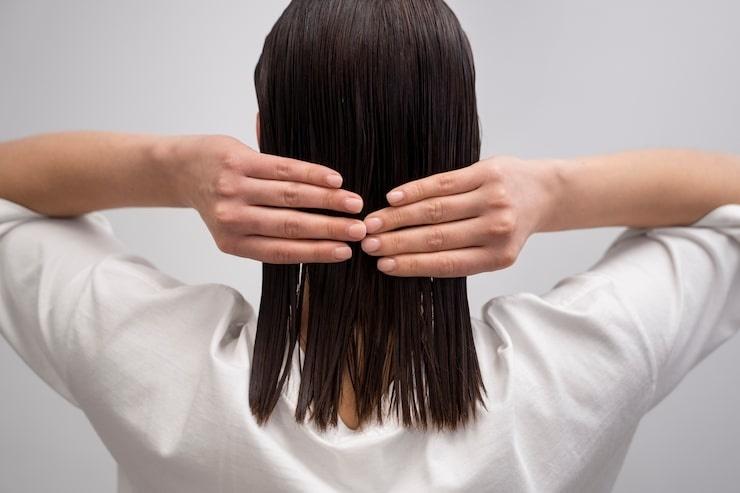
 — an approachable overview
If you've ever asked how do you curl a synthetic wig and wondered whether to risk hot tools or stick with heat-free options, this comprehensive, step-by-step resource will walk you through proven techniques, troubleshooting tips, and styling longevity strategies. Whether you're working with a heat-friendly fiber or a classic synthetic cap, the methods below will help you create long-lasting, salon-worthy curls while keeping the wig's integrity intact. The goal is to teach practical, safe, and creative approaches so you can choose the best route for your specific wig type and desired look.
Before we answer how do you curl a synthetic wig in detail, it is crucial to identify the fiber content. Synthetic wigs typically come in two categories: heat-resistant (often labeled heat-friendly, heat-styled, or heat-safe) and non-heat synthetic. Heat-resistant fibers can tolerate controlled temperatures (commonly up to 250°F/120°C) and allow for hot-tool styling. Non-heat fibers will melt or frizz when exposed to high heat and require heat-free methods such as rollers, braids, or steam. Many vendors provide a label—check the supplier's instructions or test a hidden strand.
To style your wig safely regardless of the method, gather the following: a wig stand or mannequin head, wide-tooth comb, detangling brush designed for wigs, lightweight leave-in conditioner for synthetics, wig-safe heat protectant sprayed only on heat-friendly fibers, rollers (foam, velcro, or perm rods), flexi rods, duckbill clips, soft hair ties or bobbins, water spritz bottle, microfiber towel or T-shirt, and optionally a low-heat curling iron or wand if the fiber is heat-friendly. Also keep a fabric steamer or a pot of hot water available for steam-based shaping of heat-safe or some heat-free fibers.
Heat-free methods are preferred for most synthetic wigs to avoid damage and extend lifespan. These techniques produce natural-looking curls and waves, often with better longevity if executed properly. Take your time and always operate on clean, detangled hair.
Advantages: gentle, safe for all synthetic fibers, long-lasting if set on a clean dry wig.
For beach waves or loose curls, braids and twists are excellent. Create multiple braids of varying thickness when the wig is slightly damp. Secure ends with soft bands and allow to dry fully before undoing. This method is especially useful for adding texture without volume loss.
Perm rods come in many sizes and can create consistent corkscrew curls. Use a wig-safe setting spray and leave rods until fully dry to avoid frizz. For synthetic wigs, smaller rods give tighter spirals; larger rods give softer waves.
If your wig is labeled heat-friendly but you prefer gentler shaping, use a fabric steamer to apply controlled steam after rolling sections. Steam helps fibers set quickly with reduced mechanical heat. Keep the steamer moving to avoid concentrating steam in one small area.
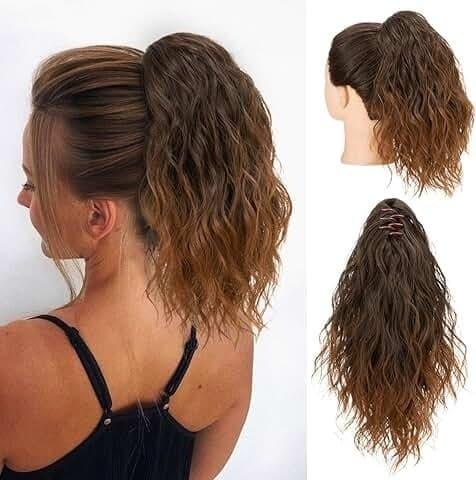
When you have a heat-friendly wig, hot tools open up additional styling options. Always confirm heat tolerance (often stated by the manufacturer) before applying any direct heat. Use a low setting and test on a hidden strand first.
Tip: Use a clampless wand for more natural, beachy waves. For vintage curls, use a uniform shaft and wrap consistent-sized sections. Avoid leaving the iron on a section for too long—overexposure causes melting and permanent damage.
A narrow flat iron can create gentle, modern S-waves when used with quick twisting motions. Glide the iron down the strand while twisting slightly to shape an S. Keep heat low and maintain smooth, continuous motion.
After curls are established, pay attention to cooling, styling, and finish products to maximize longevity.
Whether you used hot tools or rollers, allow curls to cool fully before touching. Cooling sets the fiber memory and prevents premature loosening.
Use your fingers or a very wide-tooth comb to separate curls. Avoid tugging with brushes designed for human hair that can cause frizz. For volume, lift gently at roots and use light styling spray.
Overheating: One of the most frequent mistakes when answering how do you curl a synthetic wig is assuming all synthetics withstand the same temperatures. Always verify before using hot tools.
Insufficient drying: Removing rollers before full dryness leads to frizz and uneven set. Patience yields the best results.
Using wrong brushes: Avoid regular brushes that pull and frizz synthetic fibers. Use combs and fingers instead.
If a few strands have become frizzy or melted slightly, trim the damaged tips carefully with sharp scissors. For widespread damage, consider replacing the wig or consulting a professional stylist who specializes in synthetic hair restoration.
Once you master design techniques, you can create a variety of looks:
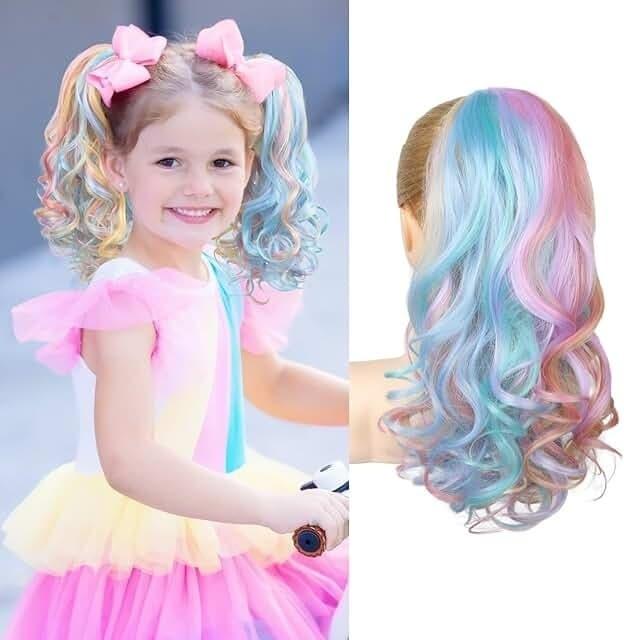
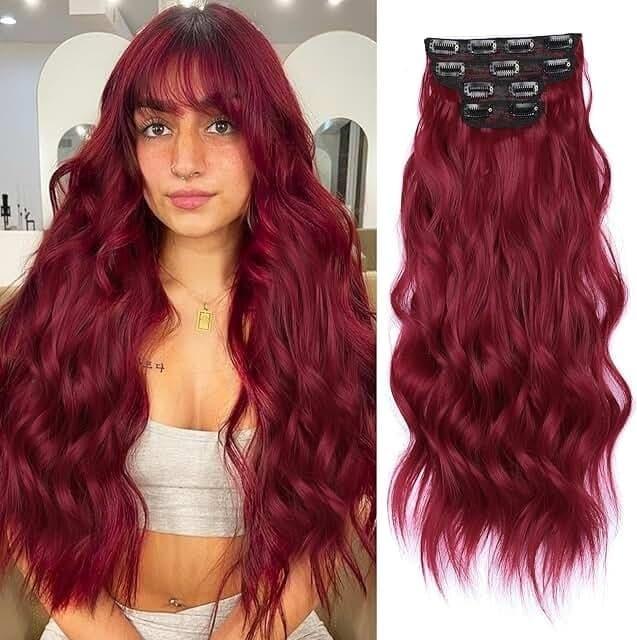
When you plan to curl a wig, consider working with layers to control bulk and shape. A blunt-cut wig may produce heavy, weighted curls that sit differently than layered styles. If uncertain, consult a stylist experienced with synthetic fiber cutting.
After creating curls, preserve them by following a gentle maintenance routine. Store the wig on a stand to maintain shape; use a silk or satin cover to prevent dust and friction. For longer preservation, place the wig in a breathable garment bag or box with tissue to support the curls and avoid crushing. Refresh curls with light spritzing and re-roll on flexi rods if they loosen slightly.
Wash the wig only when necessary—typically every 8-12 wears for synthetic wigs used regularly. Excess washing shortens the fiber life and reduces curl retention. When washing, use cold water and wig-safe products; reshape while moist and set curls again using your chosen method.
Longevity depends on fiber quality, technique, and care. Heat-free sets like rollers and rods can last several days to weeks if the wig is stored and handled carefully. Hot-tool curls on heat-friendly fibers may be shaped to last several days, but repeated washing and friction will shorten the life. Regular touch-ups with setting sprays or re-rolling will help extend the style.
Never leave hot tools unattended around synthetic wigs. Store hot tools away from wig storage and avoid placing heated items near synthetic fiber. When traveling, invest in a small, lightweight wig box to maintain curl shape and protect from crushing.
If you're unsure which method suits your wig, take the wig to a professional stylist who has experience with synthetics. They can test heat tolerance, recommend products, and execute complex shapes with minimal risk.
Answering the central question—how do you curl a synthetic wig—comes down to three pillars: identify fiber type, choose an appropriate method (heat-free vs. hot tools), and use proper aftercare to maintain curls. With the right preparation and techniques, you can create beautiful, long-lasting curls without compromising the lifespan of your synthetic wig.
Whether you opt for rollers, braids, perm rods, or carefully controlled heat, the art of curling synthetic wigs is accessible to anyone willing to learn and practice. Remember to test small sections, keep temperatures low for heat-friendly fibers, and prioritize gentle handling to ensure the best result.
