Short answer: in most cases, should you wash a wig before wearing it can be answered with "yes, but it depends." This comprehensive guide unpacks when pre-wear washing is necessary, when it's optional, and how to do it properly for both synthetic and human hair wigs to achieve optimal look, comfort, and longevity. If you're asking yourself should you wash a wig before wearing it, read on — this resource is designed to be practical, step-by-step, and search-engine-friendly so you can find quick answers and in-depth instructions in one place.
There are several good reasons someone might decide to clean their wig before the first wear. Factory processing, storage dust, chemical finishes, residual adhesives, or a factory smell can make a wig feel unnatural or uncomfortable. Washing can remove excess production oils, tame frizz, and eliminate odors. However, not every wig needs a full deep-clean before wearing — synthetic wigs often come ready-to-wear with styling that could be gently refreshed instead of washed. Knowing the type and condition of your wig helps you choose the right approach.
Consider a pre-wear wash if the wig has a chemical smell, visible dust, excessive stiffness, or product buildup from factory sprays. Also wash if the vendor recommends it, or if you're particularly sensitive to fragrances or residues.
If the synthetic wig looks clean, has been stored properly in its packaging, and you prefer the factory-set style, you might choose not to wash. For pre-cut and pre-styled units, washing can sometimes loosen style memory. In those cases, replace washing with light steaming or surface refreshing.
Before you start, gather a few essentials: a wig stand or mannequin head, wide-tooth comb or wig brush, sulfate-free shampoo formulated for wigs (or a gentle baby shampoo for human hair wigs), silicone-free conditioner (for synthetic select products created for synthetics), microfiber towels, cold water, clips, and a heat protectant if you plan to style with heat (only for heat-friendly synthetics and human hair). Avoid regular household shampoos with strong sulfates and conditioners with heavy oils unless specifically recommended for your wig.
Synthetic fibers are engineered differently and require different handling. If the question should you wash a wig before wearing it applies to synthetic units, proceed with more caution.
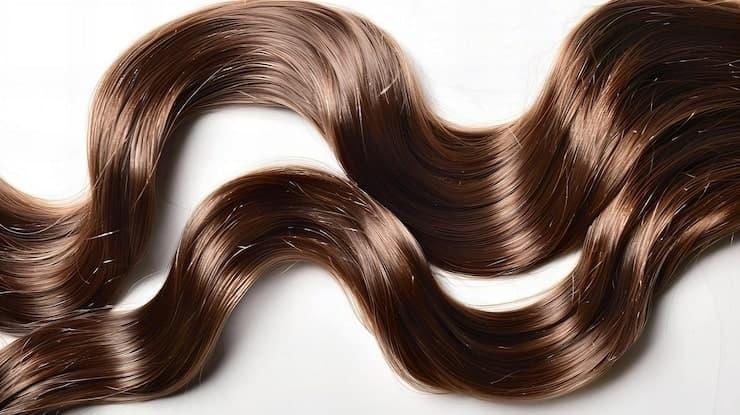
Patience with drying protects the hair and preserves the cap integrity. For human hair wigs, air-drying on a stand provides the most natural fall; you can use a blow dryer with a diffuser on low heat if necessary but keep heat protectant handy. For synthetic, avoid heat entirely unless the product is heat-tolerant — instead use steam or cold-setting methods. If you washed before wearing to remove factory stiffness, consider a light deep-conditioning treatment (for human hair) or a leave-in spray designed for wigs.
Washing the hair is only part of the process. The wig cap and inner lining can harbor oils and sweat from trial fittings. If your cap is washable, gently hand wash the cap area when you wash the hair. For complex lace fronts and hand-tied caps, use a gentle touch and avoid soaking the lace for long periods. Dry the cap away from direct sunlight to prevent fading and cap deformation.
Frequency depends on use and lifestyle. For daily wear, a human hair wig might need washing every 1-2 weeks, while a synthetic wig worn occasionally may only need cleaning every 6-8 wears. Always address visible dirt, oils, or odors promptly to prevent buildup that shortens lifespan. Remember that each wash, even when necessary, introduces some stress — so balance cleanliness with preservation.
Use lightweight, wig-specific shampoos and conditioners. For human hair wigs, choose sulfate-free formulas and occasional deep-conditioning masks that are lightweight. For synthetics, invest in a silicone-free detangler spray and a dedicated synthetic wig shampoo. A silk or satin pillow and storage in a breathable bag help reduce friction and dust. Periodic professional maintenance (re-lining, ventilating lace, or reshaping) can extend the life of higher-end wigs.
Once the wig is clean and dry, style as you would natural hair according to fiber type. For human hair, use low-to-medium heat with protective products and finish with lightweight hold sprays. For synthetic wigs labeled heat-friendly, use the recommended maximum temperature and minimal passes with the iron. If you washed the wig to remove a factory style, allow adequate setting time when creating a new style; for synthetic wigs, cold-set curls using rollers can preserve fiber health better than heat.
Regular, proper washing removes damaging residues and restores softness, which can help the hair move more naturally and reduce tangling. However, excess washing or harsh products can strip protective coatings and weaken fibers — balance and gentle products are key.
For travel, pack a small detangler, a soft brush, and optional satin cap. Quick refreshes between wears can involve a light mist of leave-in conditioner or wig-specific freshening spray and careful brushing on a stand. For long-term storage, keep wigs on a stand or in a breathable box with tissue to keep shape.
If your wig is high value, color-treated, or has special construction (hand-tied lace, monofilament top), consider professional cleaning and maintenance at a reputable salon experienced with wigs. They can deep clean, recondition, and reshape while avoiding cap damage.
Only use products labeled safe for wigs and avoid household degreasers or harsh chemicals. If the wig is human hair, verify sourcing and vendor transparency if those factors matter to you personally. Proper care reduces waste and extends the usable life of wigs, which is both economical and environmentally friendlier.
Yes, a careful wash before first wear can remove factory residues and improve comfort, but remember that for certain synthetic wigs pre-wear washing might relax the original set. The guiding principle: match care actions to fiber type and the condition of the wig rather than applying a one-size-fits-all rule to the question should you wash a wig before wearing it.
When deciding should you wash a wig before wearing it, ask these quick questions: Is there an odor or visible residue? Is it human hair or synthetic? Is the wig already styled to your liking? Do you have skin sensitivity? If residue or odor exist, or if you're planning heavy restyling, washing first is recommended. If the synthetic wig's factory style is preferred and there's no residue, skipping a wash and opting for surface refresh may be wiser.
With careful choices and gentle techniques, you can confidently answer your own version of should you wash a wig before wearing it and enjoy a natural, comfortable, and longer-lasting wig experience. Keep a simple care kit, know your fiber type, and prioritize gentle products — your wig will reward you with better looks and longer life.