This comprehensive guide explores how wig is made from raw fiber to finished styling, helping readers, salon professionals, and e-commerce sellers understand the steps that determine comfort, durability, and natural appearance. Whether you're curious about machine-made wefts, hand-tied lace creations, or the nuances of human hair sourcing, the following sections unpack materials, manufacturing methods, quality checkpoints, and practical styling tips designed to improve search relevance for the keyword how wig is made while delivering actionable, original content.
At a high level, how wig is made can be broken into a series of repeatable stages that transform fibers into wearable hairpieces: raw material selection, base or cap construction, hair preparation and alignment, attachment (wefting or ventilation), coloring and finishing, quality control, and packaging. Each stage has multiple techniques and quality tiers, which we'll explore in depth.
Choice of material is a major determinant of cost, longevity, and styling flexibility. Typical categories include:

When researching how wig is made, it's essential to factor in origin and supply-chain transparency. Ethical sourcing includes honoring donor consent, fair payment, and responsible trading practices. Quality control at the sourcing level often involves fingerprinting bundles: measuring length, color consistency, and verifying single-donor bundles (which typically indicate higher quality).
Cap construction methods vary widely and influence comfort, ventilation, and style realism. Common cap types are:
Accurate measurement during manufacturing or customization improves comfort and reduces slippage. Adjustable straps, combs, and silicone bands are common finishing features. The production step called "blocking" shapes the cap on a head-form to set the final size and curvature.
Understanding how wig is made requires distinguishing between two primary hair attachment techniques: machine wefting and hand ventilation (also called knotting or tying).
In machine wefting, hair bundles are sewn together into long strips—called wefts—by specialized sewing machines. Wefts are then stitched onto a cap or elastic band in concentric circles or rows. This method is fast and cost-effective, commonly used for wigs requiring volume and full coverage. Wefting can be single or double stitched; double stitching increases durability.
Hand ventilation is the process most associated with premium lace wigs. Skilled artisans use a ventilating needle or hook to knot a single hair strand into each hole of the lace or monofilament cap. Variations in knot type (single vs. double, bleach vs. unbleached) impact realism and maintenance. Single knots look more natural but may be less durable; knot-bleaching reduces visible knot contrast against the scalp color, enhancing the appearance of hair growing from the skin.
Many modern wigs combine machine-wefted bodies with hand-tied front sections to balance cost and natural appearance. This hybrid design answers customer demand for a natural hairline while keeping price accessible.
After attachment, the wig undergoes services to reach the finished look. For human hair, dyeing and toning follow similar salon practices used on natural hair, but with more controlled conditions to preserve integrity. Synthetic fibers must be colored during filament manufacturing to avoid heat damage. Common finishing steps include:
Heat styling increases realism for wigs intended to be styled by the wearer; however, repeated heat or chemical exposure shortens the life of human hair wigs if not properly conditioned. Synthetic heat-resistant fibers are more stable but still have limits for long-term styling. Manufacturers balance desired looks with longevity when selecting finishing protocols.
Quality protocols vary by brand and price tier, but high-standard manufacturers implement:
Issues like uneven hair distribution, visible knots, or cap perforations are typically corrected during rework: re-knotting sections, reinforcing weft stitching, or trimming lace edges. Premium makers often include a final hand-finish step to conceal imperfections and perfect the hairline.
Manufacturers prepare finished wigs for retail with protective packaging that maintains shape and hygiene. High-quality brands include traces like batch numbers, sourcing certificates for human hair, and care instructions to support aftercare and repurchase confidence. Clear labeling detailing fiber type, cap type, and recommended styling limits helps buyers make informed choices and reduces returns.
How wig is made depends heavily on production scale. Small ateliers excel at bespoke, hand-tied creations with significant labor per unit, while mid-sized factories combine handcraft with machine assistance to create hybrid products. Large factories prioritize automation—machine-wefting, CNC cutting of caps, and mechanized inspection lanes—to deliver volume at lower per-unit costs. Consumers should expect price-to-quality correlations that reflect these methodological differences.
Custom wigs begin with client consultation, measurement, and often a mock-up or "trial cap." Bespoke options include precise color matching, bleaching and tinting to match skin undertone, customized density, hairline recreation based on the client's natural follicle direction, and built-in solutions for medical needs (e.g., adhesive-compatible polyurethane sections for better hold). Personalized fittings and post-sale adjustments are a common part of premium services.
Once you know how wig is made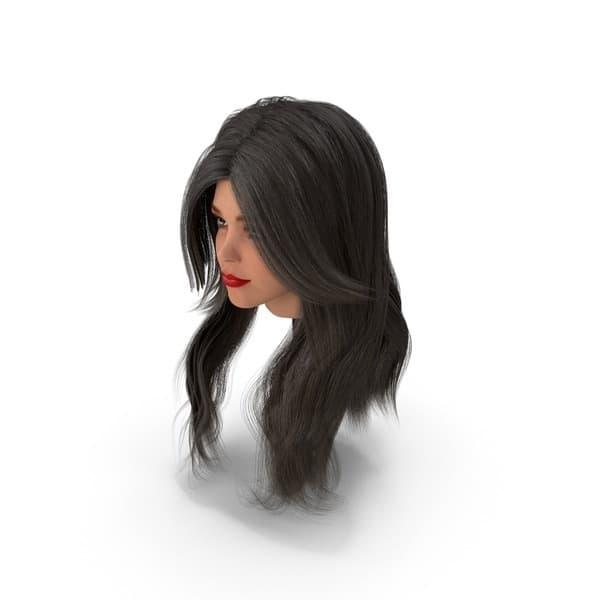 , you can better care for and style your wig to extend its life and maintain appearance. Key tips include:
A simple regimen includes detangling from ends to roots, gentle washing every 10–15 wears for synthetic fibers or 6–8 wears for human hair, air drying on a stand, and minimal heat exposure. Regular trims by a stylist prolong natural appearance by removing split or frayed ends.
Problems like shedding, tangling, and loss of luster often stem from mismatched care, poor base construction, or substandard fiber quality. If you notice excessive shedding, examine the weft seam and knots for insecure stitching. Persistent tangling near the nape may indicate friction issues and can often be mitigated by applying a silicone-based serum to reduce static and friction.
Industry innovation around how wig is made increasingly focuses on sustainable sourcing, biodegradable synthetic fibers, and cruelty-free alternatives to human hair. Traceable supply chains, recyclable packaging, and lower-impact manufacturing processes are gaining traction among conscious consumers and boutique brands seeking market differentiation.
3D scanning and printing for personalized cap molds, AI-assisted color-matching tools, and robotic knotting prototypes suggest a future where customization meets scale. These technologies aim to reduce waste while preserving the aesthetic advantages of hand-crafted wigs.
Price is driven by raw material, labor input, cap complexity, and brand reputation. Entry-level machine-wefted synthetic wigs will be the most affordable, while bespoke hand-tied human hair lace wigs command premium pricing due to labor, sourcing, and finishing treatments like knot bleaching and color matching.
When purchasing, consider asking:
Understanding the manufacturing journey—from fiber choice and cap construction to finishing and quality control—empowers consumers to make informed purchasing decisions and helps professionals optimize product descriptions and SEO. Emphasize accurate labeling, transparent sourcing, and realistic care expectations to align customer satisfaction with product performance.
Knowing how wig is madereduces returns, increases trust, and helps buyers match expectations with product categories.
By paying attention to manufacturing choices—whether you are a maker, seller, or wearer—you can influence the final result: longevity, style adaptability, and comfort. High-quality production balances material selection, skilled labor, and rigorous testing to create wigs that look natural and perform well under daily conditions.
A: With proper care and limited heat exposure, a good human hair wig can last from one to three years for regular users; occasional wearers may maintain quality longer.
A: Some synthetic fibers are heat-resistant and can tolerate low to moderate temperatures; always check manufacturer guidelines and test with a low heat tool in an inconspicuous area.
A: Hand-tied caps offer superior movement and realism but are more expensive; machine-wefted wigs are durable and cost-effective—choice depends on budget and desired look.
