Wearing a wig confidently starts beneath the cap. If you want to learn how to wear your hair under a wig so it feels comfortable, secure, and natural all day, this comprehensive guide walks you through preparation, techniques, and pro tips. Whether you have long, short, textured, or fine hair, these methods will help you reduce bulk, prevent slip, and protect your natural hair and scalp. Read on for step-by-step instructions, sizing tips, troubleshooting ideas, and more.
Before diving into detailed steps, understand why getting the base right is crucial. A well-prepared foundation means:
Gather these essentials before you begin: a soft-bristle brush, wide-tooth comb, satin or silk bonnet, wig cap(s) (nylon and breathable cotton), small elastic bands or hair ties, bobby pins, wig clips (optional), wig grip or silicone band, edge control or gel (optional), and a measuring tape for cap sizing. If you plan to use lace-front adhesives, have alcohol wipes, adhesive remover, and tape on hand. These items streamline the process of learning how to wear your hair under a wig properly.
The shape and material of the wig cap affect heat, comfort, and how flat your hair needs to be. Common options include full cap, lace front, monofilament, and open weft. Choose a breathable cap if you wear wigs often, and a lace-front or monofilament if you want the most natural scalp appearance. For securing small edges or for medical use, soft compressed caps or extra-soft silicone wig bands can add comfort and non-slip function.
The following ten-step routine is designed to be adaptable. Swap braids for twists or vice versa depending on your hair texture and length. Each step is intended to help you practice how to wear your hair under a wig like a pro.

Flat cornrows or multiple small braids pinned into a low, flat bun work best. You can also use the “wrap and pin” method to coil excess hair at the nape and secure with bobby pins. Always use a strong, breathable cap to manage volume and keep the wig line smooth.
Fine hair often requires minimal manipulation. Smooth hair back using a satin scarf to lay hair flat, then apply a lightweight nylon cap. Avoid heavy gels that can make the scalp slippery and cause the wig to move.
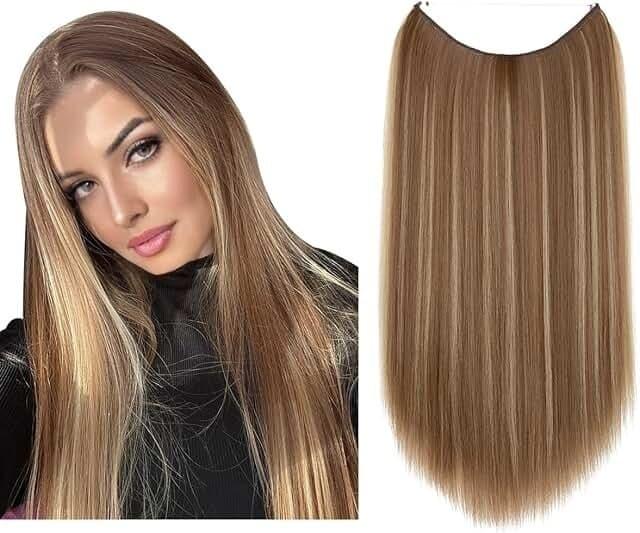
Use flat twists or cornrows with low tension and frequent moisturizing to avoid dryness. Satin-lined caps help preserve curl health when you take the wig off. If you prefer to protect curls, create a loose pineapple or tuck curls carefully before capping.
Many people worry about edge damage from wearing wigs. To prevent this, alternate between styles with different pressure points, avoid very tight braids along the hairline, use soft satin liners, and gently cleanse the scalp without scrubbing aggressively. If you use adhesives, cleanse with an alcohol-free remover and give your edges a break between long consecutive wears. Mastering how to wear your hair under a wig responsibly includes prioritizing scalp health and minimizing tension.
Slipping: Try a double-cap method or add a nonslip wig grip. Ensure the wig size matches your head circumference. Bumping: Remove the wig and adjust the braid pattern or re-pin flattened hair to eliminate lumps. Discomfort: Identify pressure points by lightly wiggling the cap before placing the wig; reposition or add cushioned inserts. Visible hairline: Use a transparent lace or trim carefully to blend the hairline, and style baby hairs to disguise transition areas.
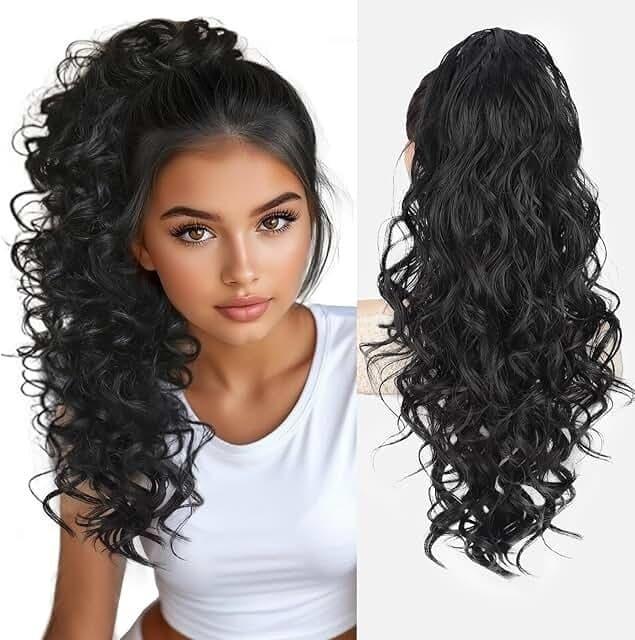
Rotate your wig styles to reduce daily stress on the same hairline regions. Wash and condition synthetic or human-hair wigs according to manufacturer guidelines. For the hair beneath, keep it moisturized and gently cleanse the scalp; avoid heavy oils before applying a cap as they may cause slippage or staining.
Measure from the center of your forehead, around above the ears, to the nape of the neck, and back to the starting point. A well-fitting cap should be snug but not tight. Most wigs come in sizes like petite, average, and large; choose the one closest to your measurement and then use adjustable straps or an elastic band for fine tuning. Proper fit is a key part of knowing how to wear your hair under a wig like a pro.
For everyday comfort, minimize adhesive use and favor wig grips, interior elastic bands, and breathable caps. For events requiring the most natural look (photos, performances), a lace front with careful trimming and a professional adhesive application may be best. Practice each method at home so you can switch quickly depending on the event.
Carry a small kit with bobby pins, a travel-sized edge control, a spare wig cap, and adhesive wipes. Quick fixes like re-positioning the cap or tightening an interior elastic can restore security in minutes.
Use subtle baby hairs or short edges to create a seamless transition when wearing lace-front wigs. For partial coverage wigs, blend natural hair at the temples with the wig part. Consider coloring or heat-styling only the wig hair, not your natural hair, unless you understand the risks and care requirements.
Give your natural hair recovery time between extended wig wears. Use deep-conditioning treatments, protect edges with silk scarves at night, and consult a trichologist if you notice thinning or irritation. The more you respect your natural hair while practicing how to wear your hair under a wig, the longer both your hair and wigs will remain in great condition.
Your wig cap should feel snug but not constricting. It should not cause headaches or pressure marks. If you feel pain, loosen the cap or try a different size. For many, an adjustable elastic band inside the wig is the best way to fine-tune tension.
Sleeping in a wig is not recommended for long-term wear because it can cause friction and damage to the wig fibers and strain your natural hairline. If you must, use a satin pillowcase and wear a soft satin bonnet to reduce friction.
Not necessarily. When installed correctly and worn with care—avoiding excessive tension, alternating styles, and maintaining scalp hygiene—wigs can protect natural hair. The main risks come from tight braids, constant adhesives, or neglecting hair health between wears.
