Embarking on a journey to create your own hairpieces can be empowering, cost-effective, and creatively rewarding. This guide explains in clear, actionable steps how to make your own wigs, from materials and basic cap construction to advanced knotting techniques, styling, and long-term care. Whether you're a complete beginner or an experienced crafter looking to improve, this resource emphasizes repeatable workflows, common pitfalls, and pro-level finishing touches that help your handmade pieces look polished and last longer.
Making wigs at home gives you control over every detail: cap fit, hair density, parting placement, hairline realism, and fiber selection. Home-made pieces are customizable for medical needs, cosplay, fashion, or theatrical use. A well-made wig can outperform off-the-shelf alternatives in comfort and natural appearance when you follow best practices described below. Search engines value informative, user-first content, so we make sure to repeat the core idea—how to make your own wigs—in a natural way throughout this piece to help readers and creators discover this tutorial.
When deciding on hair, consider longevity, styling versatility, and budget. Human hair accepts heat and chemical treatments and will produce the most natural look; high-quality synthetic fibers can mimic hair shine but may be limited in restyling. For natural movement and a realistic density, aim for 120-160% density for most looks; medical wigs may require lighter densities for comfort.

This simple method gives a stable, wearable wig and teaches the fundamental skills needed for more advanced techniques like ventilation and hand-knotting.
To achieve superior realism near the hairline and part, learn ventilating—knotting individual strands into lace. This is a time-intensive, highly realistic approach used by professionals. Follow these principles: maintain consistent knot direction, use a lace patch to practice, and keep knot size small and even. Use single or double knot techniques depending on the desired hold and tear strength. For thin-looking hairlines, ventilate unevenly to mimic natural irregularity and pluck or tweeze excess fibers instead of ventilating a perfect straight line.
Density determines how full a wig appears. For a realistic result, vary density across the cap: lighter at the hairline, medium on the crown, denser toward the back. Layering and texturizing with thinning shears create movement. Avoid uniform blunt cuts that reveal wig construction. Use point-cutting and feathering techniques to simulate natural ends and breakage.
Coloring allows you to match natural shades and add highlights or lowlights. For human hair, you can dye, bleach, or tone as you would with salon hair—use professional-level products and test a small sample first. For synthetic fibers, heat-reactive dyes or fiber-specific colorants are required; check manufacturer guidelines. Ombre effects and root shading can be sprayed with temporary sprays or airbrushed for a subtle transition that enhances realism.
Decide on how you plan to wear the wig: daily adhesive users may prefer lace fronts with removable tape or glue; those who want quick on/off may use combs, clips, or adjustable straps. Consider adding an elastic band inside the cap for a snug, secure fit that doesn't require glue. For wearers with sensitive skin, hypoallergenic tapes and skin-prep adhesives are recommended. For extended wear, ensure good ventilation and avoid overly tight installations that cause pressure headaches.
Proper care extends the life of handmade wigs. Follow these key maintenance steps: brush gently with a wide-tooth comb, wash only when needed using specialized wig shampoo, deep condition human-hair wigs periodically, and air-dry on a wig stand to retain cap shape. Store on a headform or wig stand to prevent tangling and flattening. Rotate between two or more wigs to reduce daily wear strain.
Professional finishes elevate your piece: pre-pluck the hairline to remove uniform density, use micro-bonded baby hairs to blend, and add realistic root fades for depth using color sprays or airbrushing. Consider hand-tying knot lines around ear tabs and neckline to simulate natural hair growth. For longevity, rotate styling products to prevent build-up and always use heat-protectant products on human hair wigs.

Progress from full wefted wigs to lace-front builds and then to full ventilation projects. Set small goals: start by making a simple 3-row weft headpiece, then a half wig with a lace front, and finally attempt ventilating a 4-inch square lace patch. Track progress with photos and notes—this not only helps you iterate but produces a portfolio if you choose to sell custom units.
When selling, calculate material costs, labor time (ventilating is labor-intensive), overhead, and a margin that reflects skill level. Consider offering tiered services: basic sewn weft wigs, lace-front wigs, and fully ventilated luxury units. Include care guides and warranty terms to increase buyer confidence. Transparent pricing and high-quality photography help signal value to potential customers online.
Source hair ethically—ask suppliers about origin and processing. Use PPE when bleaching or dyeing, and ensure adequate ventilation when working with adhesives or chemical products. For clients with allergies or skin sensitivities, use hypoallergenic materials and perform patch tests when using adhesives or dyes.
Developers and hobbyists can expand their skills by watching dedicated tutorial videos, taking local wig-making workshops, and joining online communities. Maintain a list of trusted suppliers, tools, and reference books. Practice is the most important teacher; working regularly on small projects accelerates skill growth more effectively than passive learning alone.
When you publish tutorials or sell wigs online, apply clear headings (how to make your own wigs used as a phrase in H2/H3 tags), include step-by-step lists, and embed high-quality photos with descriptive alt text. Use structured content: materials, steps, tips, and FAQs. Backlink from craft forums and social media to increase discoverability. User-focused content that answers practical concerns (sizing, care, fit, and troubleshooting) ranks better and retains readers longer.
Learning how to make your own wigs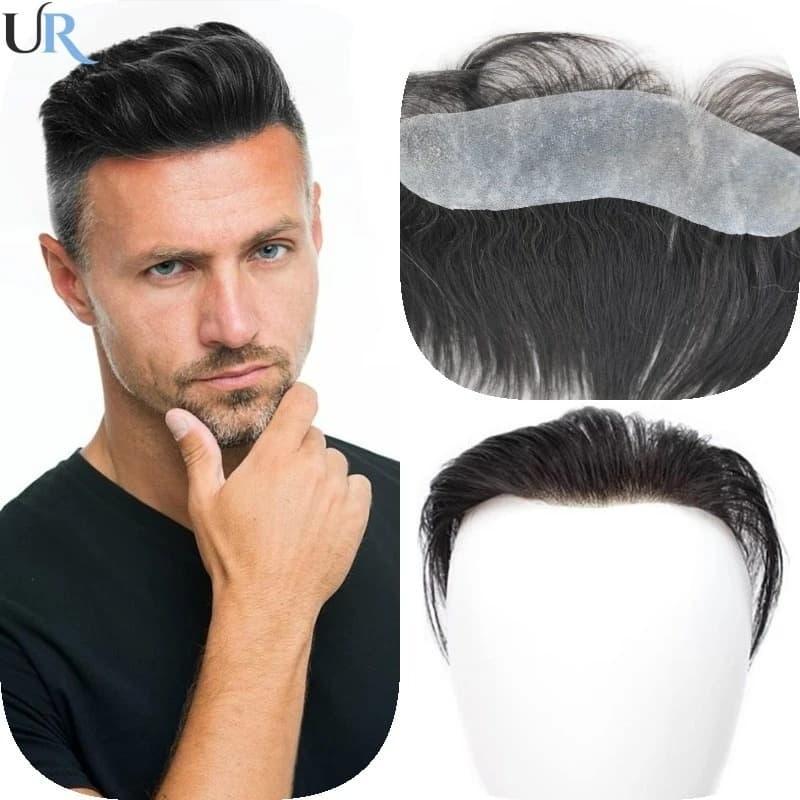 is a practical craft that rewards patience and precision. Start simple, document progress, and gradually add techniques like ventilation and custom coloring. Whether your goal is personal use, gifting, cosplay, or a small business, building a strong foundation in cap construction, density control, and finish work will ensure successful outcomes.
Remember: quality materials, deliberate practice, and patient finishing are the cornerstones of realistic, durable headwear.
For a beginner using a pre-made cap and wefts, expect 4–8 hours across several sessions. Ventilated lace fronts require many more hours, often 20–60+ depending on scalp area and density.
Yes. Use wig-specific shampoos, cool water, and gentle handling. For human hair wigs, deep condition occasionally. Always follow fiber-specific care instructions.
Ventilating near the hairline and part significantly improves realism but is not strictly necessary for all styles. A well-constructed lace front with strategic plucking can be convincing for everyday wear.
Combine an elastic inner band, adjustable straps, and discreet wig clips or combs. For high-impact activity, a medical-grade adhesive can provide additional security when applied carefully.
By following these steps and recommendations you can confidently progress from simple, wearable creations to salon-quality, customized pieces. The key is to refine each stage: cap fit, hair attachment, part realism, and finally, finish and care. Good luck, and enjoy the creative journey of making hairpieces that tell stories and meet real needs!
