If you're wondering how to cut bangs wig at home without panic, this comprehensive, step-by-step guide walks you through preparation, technique, variations, troubleshooting and aftercare so you can achieve salon-quality results in a few confident snips.
Learning how to cut bangs wig on your own saves money, lets you experiment safely and gives you instant control over your look. Whether you work with synthetic or human-hair wigs, the same core skills apply: measured planning, the right tools, and patience. This article emphasizes best practices and common pitfalls so your home trimming turns into a styling win, not a regret.
Place the wig on a stable mannequin head or wear it yourself for live adjustments. When learning how to cut bangs wig, using a head gives you symmetry control. Pin the wig into the stand so it doesn't shift. If you're doing this on a person, tilt the chin slightly down for better fall of the hair.

Decide where the bangs will begin — center, offset, or curtain part. Use your fingers or a comb to create the intended hairline. For curtain bangs, part down the middle and section two triangular areas. For traditional blunt bangs, take a triangular section from the crown down to your forehead line.
Small accurate sections beat big, uncertain cuts. Clip back the rest of the wig. The guidelines you set now dictate your final look. If you want softer edges, plan to texturize later instead of cutting too short upfront.
Point cutting is a forgiving technique: hold the hair vertically and snip small vertical cuts into the ends instead of slicing straight across. This avoids a harsh line and creates a natural finish. Many stylists recommend point cutting for beginners learning how to cut bangs wig because it's easier to correct than a blunt mistake.
Cut less than you think you'll need and check as you go. Wet hair appears longer, so when the wig dries the length and texture change. Take 1/4 inch to 1/2 inch off at a time for control. Step back, check symmetry in the mirror, repeat until satisfied.
After getting a basic length, use thinning shears to remove bulk, especially for dense synthetic wigs. For human-hair wigs, a razor or slide-cutting technique can add feathered movement. Always test a small area first when using aggressive thinning methods to avoid accidental thin spots.
To make curtain bangs, cut the middle slightly shorter and angle longer towards the sides. When styled, they part naturally. If you want baby bangs, trim conservatively and refine slowly — it's easier to shorten than grow back.
Blunt bangs aim for a straight-across look. Section across the forehead in a clean triangle, comb forward, and use a steady horizontal cut. Use point cutting for a slightly softened edge. Wrap the outcome in how to cut bangs wig content signals by checking alignment frequently.
For a side-swept look, angle the cutting line diagonally from the center towards the cheek. Make shorter strands near the part and longer towards the side. Light texturizing keeps the sweep flowing instead of heavy and blocky.
Feathered bangs require thin subsections and a razor or point-cutting approach to deliver airy edges. This style complements layered wigs and can be forgiving for beginners mastering how to cut bangs wig.
Micro bangs are short and bold — a high-risk style for novices. If you try this, clip the fringe, then style dry and cut millimeters at a time. Aim for symmetry, then soften with thinning shears or a razor to prevent a helmet-like appearance.
Synthetic wigs often respond better to cut while dry since heat changes their fall; some synthetic fibers are heat-sensitive. Human-hair wigs behave like natural hair and can be cut and styled with the same techniques used on live hair, including heat tools when necessary. For both types, always perform small corrections instead of major initial cuts.
After trimming, style the bangs to see their final shape. Blow dry with a round brush for volume or use fingers and a small amount of light styling product for a natural finish. For synthetic wigs, use products suited to synthetic fibers and avoid high heat unless the wig is heat-resistant.
Trim every 2–6 weeks depending on growth (for human-hair wigs) and wear. Synthetic wigs may keep a cut longer but lose shape over time and with washing. Store your wig on a stand to preserve the fall and avoid flattening that makes bangs look misshapen.
1. Mirror check: Always use two mirrors or a well-positioned mirror to view the fringe from multiple angles before finalizing cuts.
2. Use guide cuts: Create a short center guide and mirror it on both sides to maintain symmetry.
3. Practice texture: Practice point cutting and slide cutting on scrap hair or wig offcuts.
4. Keep scissors sharp and clean to avoid frayed fiber ends.
Once the basic length is set, refine edges with micro-cuts, thinning, and occasional blow-through styling. Remember that you can always cut more but can't reattach hair — trimming is a conservative craft. Frequent light adjustments often produce better, natural results than a dramatic single session.
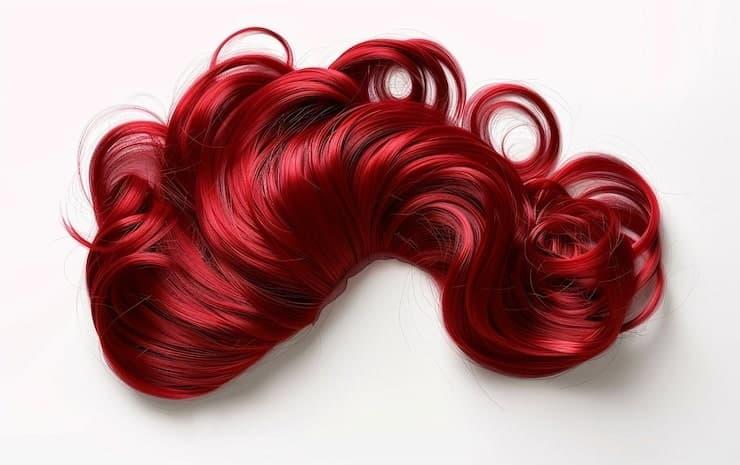
Use a light hairspray for hold, apply a bit of serum for shine on human-hair wigs, and for synthetic wigs use anti-frizz products designed for fibers. If you want a lived-in finish, scrunch and separate strands with fingers rather than combing aggressively.
Taking on the task of trimming your own wig is empowering. With clear steps, patience, and the techniques shared here — sectioning, point cutting, thinning and gradual refinement — you'll be able to manage a range of fringe styles at home. Remember that the key to successful DIY trimming is conservative cutting and iterative refinement: cut less, check more, and use texture tools to soften and perfect the shape.
Short practice sessions on inexpensive wigs or offcuts dramatically improve outcomes. The mechanics of how to cut bangs wig become easier with a few controlled attempts.
If you're aiming for a major change in style, a complex layered fringe, or working with high-value human-hair wigs, an experienced stylist can offer precision and corrective options that are hard to replicate at home. Still, armed with the information above, you'll better understand what to ask for and how to maintain the look between salon visits.
Whether you're aiming for curtain bangs that frame your face, blunt edges for drama, or airy wisps for softness, these approaches to how to cut bangs wig will help you achieve the intended effect while minimizing risk. Patience, proper tools and stepwise trimming are your best allies.
Yes. Use sharp scissors and avoid heat unless the fiber is heat-resistant. Cut conservatively and style with products made for synthetics.
If the wig has a natural hairline, density at the front, and the fiber type suits your chosen style, it's a good candidate. Try a temporary clip-in section first to visualize the effect.
Start with small, cautious cuts using the point-cut method on a doll head. Learn how the fibers fall and react before committing to a dramatic change.
how to cut bangs wig appears throughout this guide to reinforce important steps and help you find these tips when searching online; use them, adapt them, and enjoy the creative freedom of customizing your fringe at home.
