Discover simple, realistic and search-friendly guidance on how to care for synthetic wigs that works for everyday wear, special events and travel. This comprehensive guide breaks down washing, styling, storage and maintenance into approachable steps so you can keep your synthetic hairpiece looking fresh, natural and long-lasting without overwhelming jargon. Whether you're new to wig care or want to refine your routine, these expert-backed tips and practical checklists will help you save time, avoid common mistakes and get the most from your investment.
Synthetic fibers behave differently from human hair: they hold a style longer, react uniquely to heat and can be more prone to tangling when not maintained properly. Learning how to care for synthetic wigs means understanding the fiber type, base construction and the impacts of products and environmental factors. Proper care prevents frizz, preserves color and extends the lifespan of your wig so you maintain a natural look and comfortable fit.
Knowing when to wash is the first step. Most synthetic wigs need washing after 8-15 wears depending on exposure to sweat, styling products and pollutants. If it begins to look dull, feels sticky or picks up odors, it’s time to clean. Avoid over-washing — too frequent washing can flatten styles and reduce fiber life. Below is a step-by-step wash routine that keeps your wig vibrant while minimizing stress on fibers.
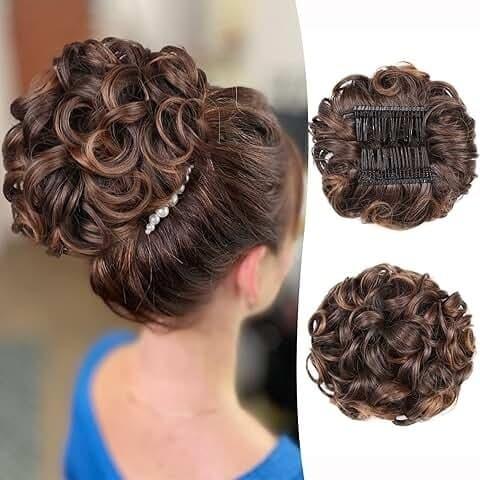
After washing, never wring the wig. Instead, press gently between a towel to remove excess moisture and place the wig on a wig stand or a mannequin head to air dry. If the cap is stretched, reshape it carefully while damp to avoid misshaping. For shorter styles, you can finger-style to encourage the original cut. Long wigs benefit from occasional use of steam for restyling — but only with synthetic-safe steam settings and brief exposure.
Styling synthetic hair requires a gentle touch. Many modern synthetic wigs are heat-resistant up to a certain temperature; always check manufacturer guidance. For non-heat fibers, use styling products made for synthetics — mist-based conditioners, detanglers and finishing sprays designed to enhance shine and control frizz.
Try steam styling, foam rollers on damp hair or setting with clips and allowing the wig to dry naturally. These methods preserve the fiber integrity and can yield reliable curls, waves or volume without direct heat contact.
For tangled wigs, start at the ends and work upwards using a wide-tooth comb or a brush specifically designed for wigs. Spray a synthetic-friendly detangler or leave-in conditioner to ease combing. For severe tangles, let the product sit for several minutes to soften fibers before attempting to comb. Do not cut through matting unless you intend to trim; professional repair is preferable for valuable pieces.
Wig caps come in monofilament, lace front, basic construction and machine-made caps. When cleaning, avoid dunking lace fronts aggressively; gently pat and rinse to preserve the delicate lace. For adjustable caps, check straps and elastic for wear and replace if loose. Avoid sleeping in your wig regularly — friction and sweat can damage both cap and fibers.
Traveling with a wig requires planning. Use a form-fitting travel case or a soft net to preserve style. Pack a small detangler spray, a compact wig brush and a mesh bag for overnight storage. When flying, place the wig in carry-on luggage and avoid crushing. If you must pack the wig in a suitcase, lay it on top of clothes in a protective net and avoid heavy items on top.
In humid climates, frizz control and anti-humidity sprays keep fibers manageable. In winter, indoor heating can dry fibers; use occasional conditioning treatments and avoid overuse of static-prone fabrics. Saltwater and pool chemicals can permanently damage synthetic fibers — always rinse and apply a synthetic-safe conditioner after exposure, or better yet, avoid wearing valuable wigs in those settings.
Small repairs like re-securing a clip or replacing an elastic band are common DIY tasks. For lace repairs, extensive reshaping or restyling of expensive pieces, consult a wig professional. Regular salon-grade maintenance can restore shape and extend life, especially for custom or high-quality heat-friendly synthetics.
Always test new products on a small, inconspicuous area of the wig. Look for items labeled for synthetic use: cleansing foams, sprays, leave-in conditioners and detanglers. Avoid products with heavy oils, petroleum, or high-alcohol content which can attract dirt and dry fibers.

Even with excellent care, synthetic wigs eventually show signs of aging: persistent frizz, loss of original style, visible wear on the cap or thinning fibers. When multiple areas look worn or restoring requires extensive repairs, consider replacement — new technology often offers more realistic fibers and better heat-tolerance.
If you exercise frequently, use sweat liners or breathable caps beneath the wig to reduce accumulation of oils and sweat. For frequent outdoor wear, rotate between multiple wigs to reduce sun exposure stress and give each piece time to recover between wears.
Invest in the best-quality synthetic you can afford — higher-end synthetics often resist tangling and hold their shape longer. Look for heat-friendly fibers if you plan to style with tools. Choose cap styles that match your activity level and comfort preferences to minimize maintenance needs.
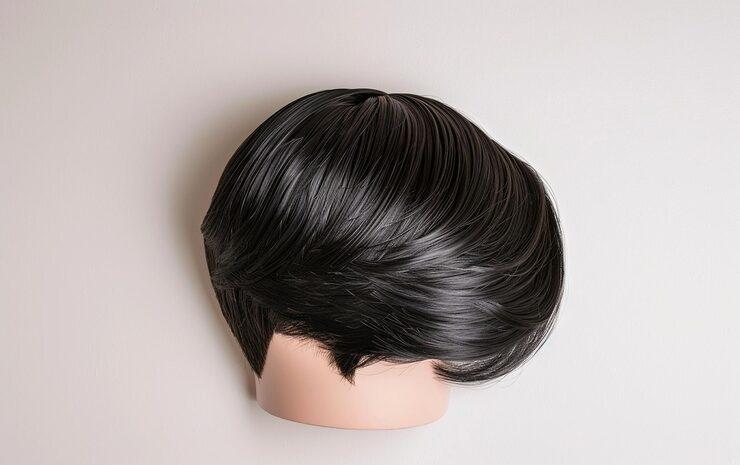
Trim interior fibers and bangs professionally if necessary to maintain a realistic hairline. Use a little dry shampoo at roots to reduce shine that looks unnatural on synthetic strands. Avoid heavy products that weigh the hair down — lightweight mists and sera are preferable.
Mastering how to care for synthetic wigs is about routine, gentle handling and using the right products. Prioritize prevention — proper brushing, scheduled washing and safe storage will preserve styles and save money on replacements. With consistent but minimal effort, most synthetic wigs provide a beautiful, low-maintenance option for a polished look every day.
Use this living guide to adapt techniques to your specific wig type and lifestyle; keep a small maintenance kit on hand and always test products on a small area first. By integrating these practices into your routine, you'll keep your synthetic wigs looking natural, feel comfortable wearing them, and enjoy a longer usable life from each piece.
Wash after 8–15 wears or when it starts to feel sticky, look dull, or smell. Frequency varies with usage, climate and product buildup.
Only if the wig is labeled heat-friendly. Use the lowest setting recommended and a heat protectant designed for synthetics; for non-heat fibers use steam or rollers instead.
Braid gently or place in a soft net and store on a wig stand or in a breathable box away from sunlight and humidity to prevent tangling and color fade.