If you've invested in a quality human hair wig, one of the most common questions you may search for is how often to wash human hair wig. The answer isn't one-size-fits-all: it depends on wear frequency, styling products, scalp oils, environment, and the wig's construction. This comprehensive guide will help you develop a personalized care routine to keep your wig soft, vibrant, and long-lived.
Washing a wig too often can strip natural oils and shorten its lifespan, while washing too infrequently can lead to product buildup, tangling, odor, and dullness. Striking a balance ensures your wig retains moisture, color, and manageable texture. Use the phrase how often to wash human hair wig as a mental checklist when planning maintenance rather than as a strict rule.
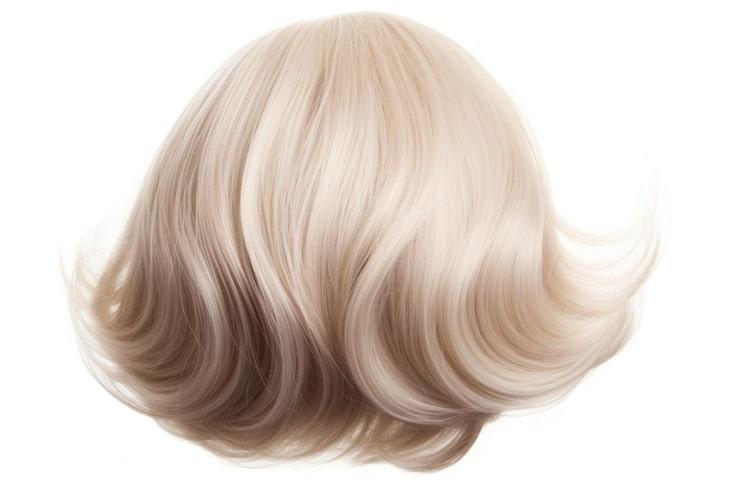 If you wear the wig every day, you're likely to need more frequent washes — roughly every 7–10 wears. For occasional use, 10–15 wears or even monthly washing can be enough.
For practical planning, consider these baseline routines and then tailor them according to the key factors above:
Follow these steps to clean without damaging the strands or cap:
Before wetting, gently detangle with a wide-tooth comb or a wig brush starting from the ends and moving up to the roots. Check for weak spots, shedding, or knotting so you can adjust how gently you handle the wig during washing.
Fill a basin with lukewarm water — not hot — and use a sulfate-free, wig-safe shampoo or a gentle moisturizing shampoo designed for human hair. Avoid harsh clarifying shampoos unless you have heavy buildup that won't come out with a mild cleanser.
Submerge the wig and gently swish it; do not rub or wring. If you need to apply shampoo to the roots to remove oils, dilute the shampoo in water first and apply gently with your fingertips. Rinse thoroughly with lukewarm water until the water runs clear.
Apply a rich, hydrating conditioner from mid-length to ends; avoid the cap base if possible to prevent the knots from loosening. Leave the conditioner for 3–5 minutes to penetrate, then rinse with cool water to seal cuticles and add shine.
Every 6–10 washes, use a deep conditioning mask or an oil treatment (lightweight argan or jojoba oils) to restore moisture. Apply sparingly and avoid the cap base. For colored wigs, use a color-safe mask to preserve tone.
Pat with a microfiber towel or a soft cotton T-shirt to remove excess water; never rub. Place the wig on a stand or mannequin head to air dry in a well-ventilated area out of direct sunlight. If you must use heat, use the lowest setting and a heat protectant, and keep sessions brief to avoid heat damage.
Once dry, detangle lightly and style with low-heat tools if necessary. Always use a thermal protectant and avoid daily heat-styling to prolong lifespan. For added body, use rollers or gentle curls that don't require frequent heat application.
Reducing how often you wash not only preserves natural oils but also extends the life of the wig. These daily practices help keep your wig fresh between washes:
Choosing the right products can significantly affect how often you need to wash and the overall health of the wig:
 Sulfate-free shampoos, moisturizing conditioners, lightweight oils (argan, jojoba), silicone-based serums for ends, leave-in conditioners formulated for human hair wigs, heat protectants, and color-safe formulas.
Awareness of these pitfalls helps you optimize care and decide how often to wash human hair wig based on realistic habits:
Color-treated wigs benefit from color-safe, sulfate-free products and slightly less frequent washing if you avoid heavy product use. If you perm or chemically alter human hair wigs, use reconstructing masks and consult professionals for deep treatments. Heat-styled wigs should have a robust protective routine: infrequent washing combined with nourishing masks helps preserve both style and fiber integrity.
When traveling, carry a small spray bottle with leave-in conditioner, a wide-tooth comb, and a soft storage bag. For a quick refresh between washes, lightly mist the lengths with a water-based detangler and finger-comb or use a specialized wig refresher spray to neutralize odors and reduce static.
Even with the best at-home care, occasional professional attention prolongs lifespan. Salons experienced with human hair wigs can: restyle, re-tint, replace perimeter hairs, rebuild adhesive areas, and deep-condition with salon-grade treatments. Schedule professional visits based on wear intensity—typically every 6–12 months for regular users.
Proper storage reduces dust, prevents tangling, and keeps the wig fresh longer, so you can space out washes. Store on a mannequin head or foam stand to maintain shape, cover with a breathable cap or silk bag, and keep in a cool, dry place away from sunlight and humidity.
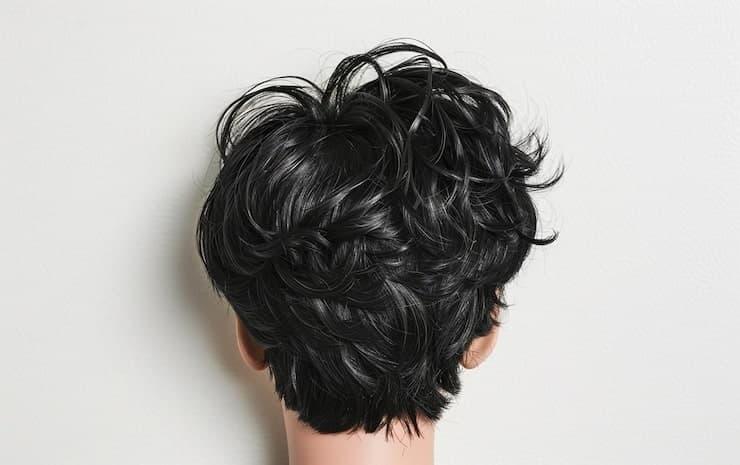
Investing time and quality products in routine care can prevent premature replacement. A well-maintained human hair wig that is washed according to needs and protected from excessive heat and harsh products often lasts years, whereas poor care can halve that lifespan.
Use this reference to determine a starting point for your cleaning schedule:
The most useful answer to how often to wash human hair wig requires you to evaluate wear frequency, products, activity level, and climate. Start with the baseline guidelines, observe how your wig responds, and adjust. Combining proper washing technique, suitable products, gentle drying, and consistent daily care will keep your wig soft, bouncy, and long-lasting.
Visit a professional when you notice excessive shedding, a loosening cap, changes in hair density, persistent odors that don't wash out, or when you want a color refresh or structured restyle. Professional care can often correct issues that at-home treatments cannot.
Listen to the wig: if it feels greasy, limp, or has product buildup, it’s time to wash. If it still feels light, bouncy, and looks shiny, you can extend the interval. Keep track of wear counts if you alternate wigs and always store properly between wears.
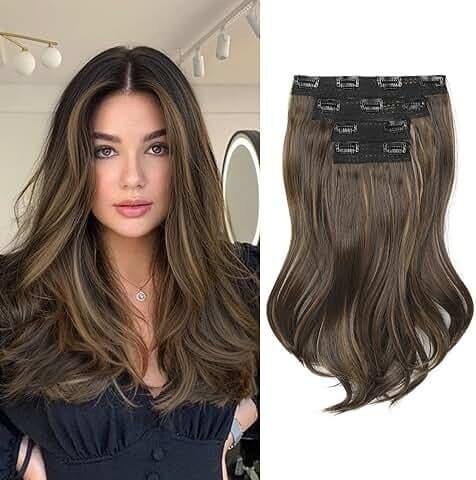
Incorporate these strategies into your routine and you'll be able to answer how often to wash human hair wig with confidence, choosing intervals that preserve softness, color, and longevity while fitting your lifestyle. Regular, thoughtful care beats frequent harsh cleaning every time.
