If you've ever wondered how do you make a wig, this long-form instructional is built to guide you through every meaningful step from selecting materials to final styling and upkeep. This page focuses on clear, actionable directions and useful troubleshooting tips so novices can achieve a natural-looking, comfortable wig. Read on to learn materials, tools, construction techniques, ventilation methods, attachment approaches and styling secrets that are proven in DIY wig-making.
Handmade wigs are constructed by securing hair (synthetic or human) to a base: common bases include lace front, full-lace, ventilated caps, monofilament and wefted caps. Each base affects breathability, realism and ease of customization. This guide answers the central query how do you make a wig by breaking the process into digestible stages: planning, preparing, making the cap, attaching hair, finishing and styling. Goals: realistic hairline, even density, secure fit and longevity.
Start with answers to questions: What cap type do you want? Lace front for a natural hairline? Full-lace for versatile parting? Synthetic for affordability? Human hair for styling flexibility? Decide length, density and color. Sketch or save reference photos. Record head circumference, nape-to-front measurement and ear-to-ear width. A clear plan avoids wasted materials and helps answer "how do you make a wig" with confidence.
Create a tidy workspace with a padded mannequin head, good lighting and magnification if you plan to ventilate. A stable clamp and non-slip surface will keep the head steady during knotting or sewing. Invest in a set of wig-specific tools; they make learning how do you make a wig faster and more enjoyable.
Measure your head lengthwise and circumference accurately. Transfer these measurements to a commercial wig cap or use a mesh pattern to cut fabric. When creating a custom cap, leave seam allowance and mark ear tabs, nape line and hairline. Blocking the cap on the mannequin with pins secures shape and prevents shifting while you work.
There are several ways to assemble hair onto a cap; your choice affects the time and final look. Common methods include:
For beginners, starting with a pre-made cap and sewing wefts provides a manageable learning curve before attempting full-lace ventilation.
Align the weft at the nape and stitch in rows toward the crown, making sure rows are smooth and not too tight to avoid bumps. Use small, tight stitches and double-back when reaching the end of a row. This method answers "how do you make a wig" for those prioritizing speed and fullness.
Ventilating requires practice: use a ventilating needle to loop a small section of hair through the lace and tie a secure knot. Create micro-knots near the hairline for a subtle, natural edge. Keep track of grain direction so hair lays correctly. Take frequent breaks to avoid repetitive strain.
Vary density by spacing knots or weft rows. For natural density, keep the hairline sparser and increase volume toward the mid-scalp. This helps achieve realistic movement and avoids a "helmet" look.
The hairline makes or breaks realism. For lace fronts, ventilate delicate single knots, and pluck a few hairs afterward to soften the hairline. Consider bleaching knots on lace to reduce visibility—only if using human hair and lace that tolerates gentle chemical processes. For parting, create a shallow skin-like look by ventilating a small area with single or double knots and slightly thinning the hair around the part.
Pre-pluck gently with thinning shears to remove bulk at the front. "Seeding" involves adding a few loose, strategically placed hairs to mimic baby hair and irregular growth patterns.
Once hair is attached, inspect inside the cap. Reinforce high-stress areas (ears, nape) with an extra strip of elastic or fabric. Trim excess lace carefully with small scissors and melt synthetic ends when necessary to prevent fraying. Sew in an adjustable elastic strap or combs for a secure fit. Test fit on the mannequin and on a real head to ensure comfort and correct placement.
Use texturizing shears to shape layers and remove blunt edges. Always cut conservatively—you can always remove more but you cannot add length back. When learning how do you make a wig, practice cutting on a sample weft or spare wig before working on your main piece.
If your hair is human or heat-resistant synthetic, you can style with heated tools. Test a small strand first. Use low to moderate heat and heat protects to maintain integrity. For synthetic fibers not rated for heat, use steam or cold-setting rollers to achieve curls. Human hair allows for coloring, but keep bleaching minimal to protect strand strength. Always follow product-specific directions.
Decide how the wig will be secured: clips, combs, elastic bands, tape or adhesive. For lace front wigs worn daily, a thin skin-safe adhesive combined with tape on the sides offers a reliable, discreet hold. For temporary wear, wig grips or adjustable bands are user-friendly. Practice applying and removing adhesives correctly to preserve the wig and protect your skin. This stage completes the practical answer to "how do you make a wig" by ensuring the wig stays in place comfortably.
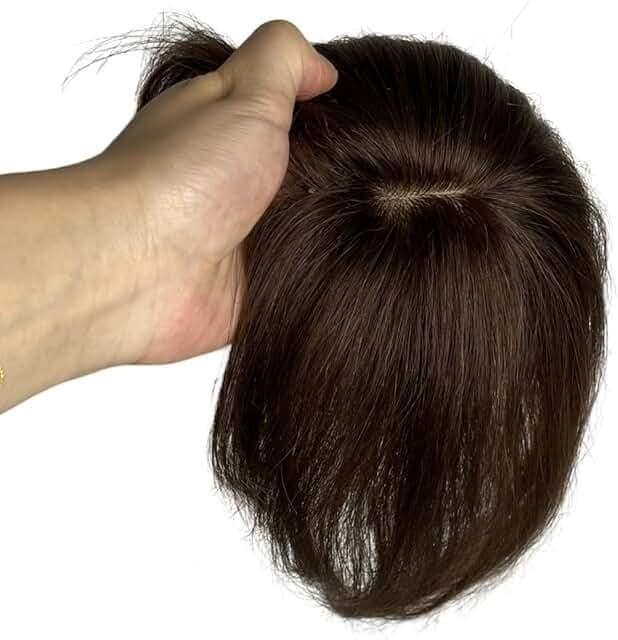
To prolong life, minimize washing (every 10–15 wears for synthetic, 6–8 for human hair if lightly styled), use sulfate-free shampoos, condition from mid-length to ends, and store on a mannequin or stand to maintain shape. For lace front wigs, wash carefully around the hairline to protect knots.
Problem: Visible knots or dark lace contrast. Solution: Bleach knots carefully, tint the lace with makeup or lace tint spray, or ventilate finer, single knots at the edge. Problem: Cap stretches or slips. Solution: Add elastic bands or wig combs, or tighten by resewing the cap. Problem: Tangling at nape. Solution: Trim gradually, condition, and braid overnight for long wigs.
Once comfortable with basic construction, explore ventilating micro-knots, creating bleached knot illusions, injecting baby hairs, or incorporating multi-tonal hand-tied wefts for depth. Learn to integrate polyurethane tabs on the lace for stronger tape adhesion or add a polyurethane nape for durability in everyday use.
Consider lowlights and highlights by attaching thin wefts of contrasting shades, adding pre-plucked baby hairs for realism, or creating a natural scalp by hand-tying hair onto a wig cap with a colored base that mimics skin tone.
A basic DIY wig can be made for a modest budget: caps and tools are affordable, while premium human hair raises cost significantly. Expect early projects to take many hours; hand-tying a full-lace wig can take 20–60+ hours depending on density. You will get faster with practice.
Throughout these steps, keep the phrase how do you make a wig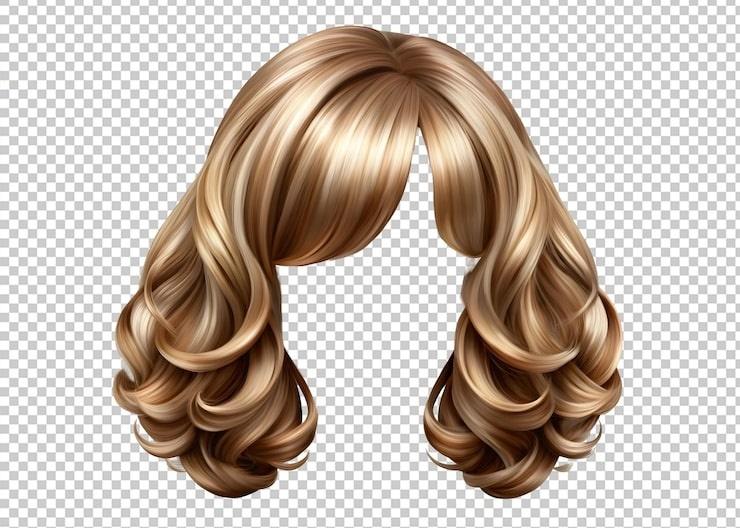 in mind as a practical checklist: measure, choose, build, finish and secure. Each keyword-linked action corresponds to a real task in the process.
Buy quality curved ventilating needles, a variety of wig threads, breathable lace in different shades and a sturdy mannequin head. Quality scissors and a handheld steamer extend your styling options. Join maker communities, watch close-up tutorial videos and practice on inexpensive caps before investing heavily. This helps you internalize answers to how do you make a wig without wasting premium materials.
When using adhesives, do a patch test on skin to avoid allergic reactions. Work in a ventilated space when heat styling, bleaching or using adhesives. Keep tools organized to avoid needle or cut hazards.
Final encouragement: making a wig is a craft that rewards patience and practice. Revisit measurements, experiment with techniques, and keep a simple project log of what worked and what didn't. The more wigs you make, the faster and more reliable your answer to the question how do you make a wig will become—transitioning from a handbook-level instruction into intuitive craft skill. Good luck and enjoy the creative process.
