Choosing the right hair unit can feel overwhelming, especially when you want a result that reads as natural, flattering and low-maintenance. This guide explains how to select, style, and maintain a bilace wig so it looks like real hair, feels comfortable, and lasts longer. Whether you're new to lace-front pieces or an experienced wearer seeking refined tips, the sections below map out the essential steps and considerations, from materials and cap construction to daily care routines and troubleshooting.
When searching for a high-quality hairpiece, shoppers frequently compare lace types, density, and hair origin. A bilace wig typically refers to a unit that emphasizes a delicate, realistic hairline and versatile parting. Because the lace blends with different skin tones and allows for multi-directional styling, the bilace wig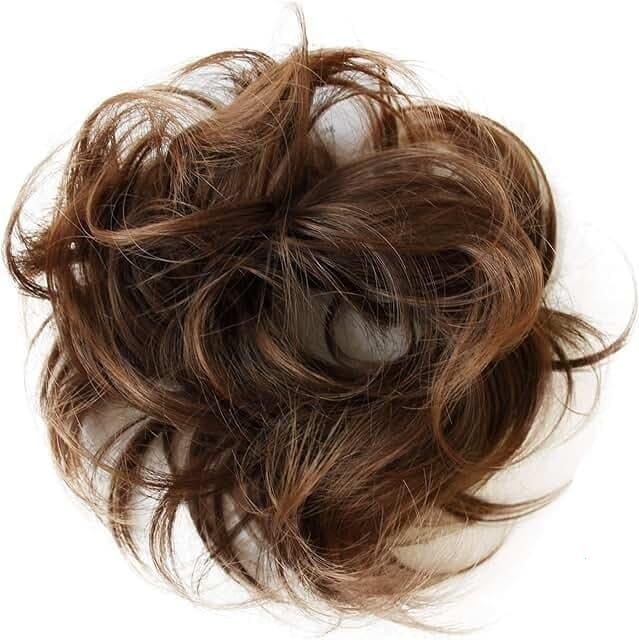 is prized for creating seamless transitions between scalp and hair. In addition, manufacturers of premium bilace wigs often use fine knots, hand-tied sections, and Swiss or HD lace to mimic natural scalp appearance.
Not all lace is created equal. Common lace varieties include Swiss lace, French lace, and HD lace. Swiss lace is breathable and soft, French lace is more durable, and HD lace becomes nearly invisible when applied correctly. For a realistic look, an HD or Swiss lace base on a bilace wig offers superior blending and is ideal for skin-tone matching and delicate styling. The density and knotting technique also influence how natural the hairline appears — single knots are typically less visible than double knots, but double knots increase durability.
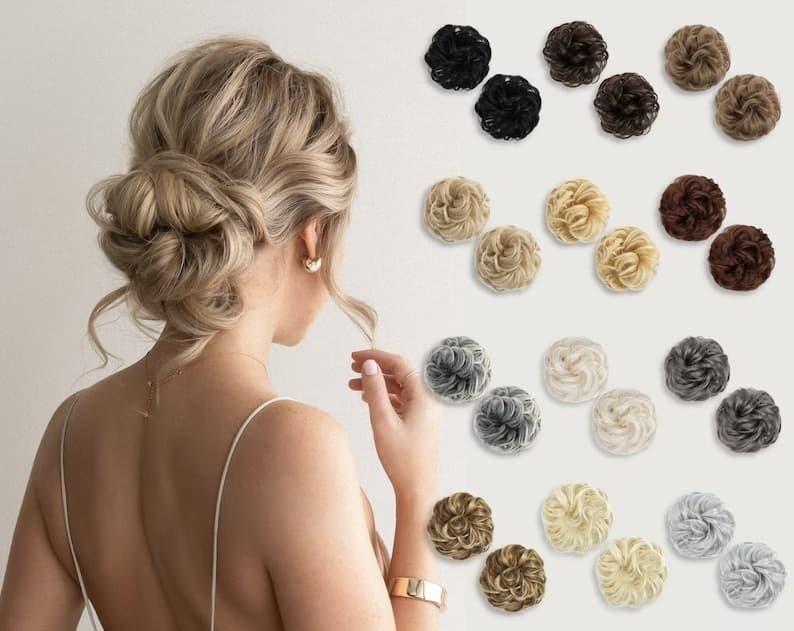
Styling a bilace wig for everyday wear is both about technique and tools. Use heat-protectant products for human hair units and low-heat settings for sensitive synthetic blends. To create believable baby hairs, gently trim a few short, wispy strands and blend them with a tiny amount of gel or mousse. When parting, add a light scalp-colored powder or concealer along the part to simulate depth; use a fine-tooth comb to keep the part crisp. For updos, leave a few face-framing strands loose to soften the hairline. Always style on a mannequin or your head to ensure natural fall and weight distribution.
Correct color selection is essential for a realistic bilace wig. Match the base color first, then evaluate undertones. Warm undertones work best on warmer skin tones; neutral or cool undertones can flatter cooler complexions. If you want multi-dimensional color, consider balayage or soft highlights. Professionals can lightly tint lace shades to match your scalp perfectly, and at-home kits can work if applied carefully. Always perform a strand test when dyeing human hair to avoid unwanted results and always condition after color processing to restore moisture.
Maintaining a bilace wig requires a gentle, consistent routine. For human hair pieces, shampoo with a sulfate-free cleanser, condition deeply, and use a leave-in conditioner to prevent dryness. For synthetic versions, use specialized synthetic wig shampoos and detanglers. Brush from ends up to reduce stress at the roots and store the unit on a stand to preserve the cap shape. Rotate between two units if you wear wigs daily to reduce wear-and-tear. Heat styling should be minimized on synthetic units unless they are heat-resistant.
Cleaning lace requires careful attention to avoid lace tearing or loosening knots. Use lukewarm water and a mild shampoo; avoid soaking the lace for extended periods. Rinse thoroughly and gently pat dry with a soft towel — do not rub. For adhesive or buildup removal, specialized lace-appropriate adhesive removers will loosen residue without harming the lace. After cleaning, lay the bilace wig flat on a towel to air-dry or place it on a mannequin head to maintain shape, avoiding direct sunlight which can fade color and weaken fibers.
Choosing the right adhesive or tape depends on how long you plan to wear the unit and your skin sensitivity. Medical-grade tapes and skin-friendly glues are popular for daily use. For long-term wear, a stronger adhesive with proper removal procedures can keep a bilace wig secure for a week or more. Always perform a patch test for adhesive reactions and follow manufacturer instructions for removal to preserve your scalp and the lace. Using a nasal strip or wig grip can also help reduce adhesive usage while keeping the piece snug.
 Adjust straps, add silicone bands, or consider professional re-sizing for a better fit.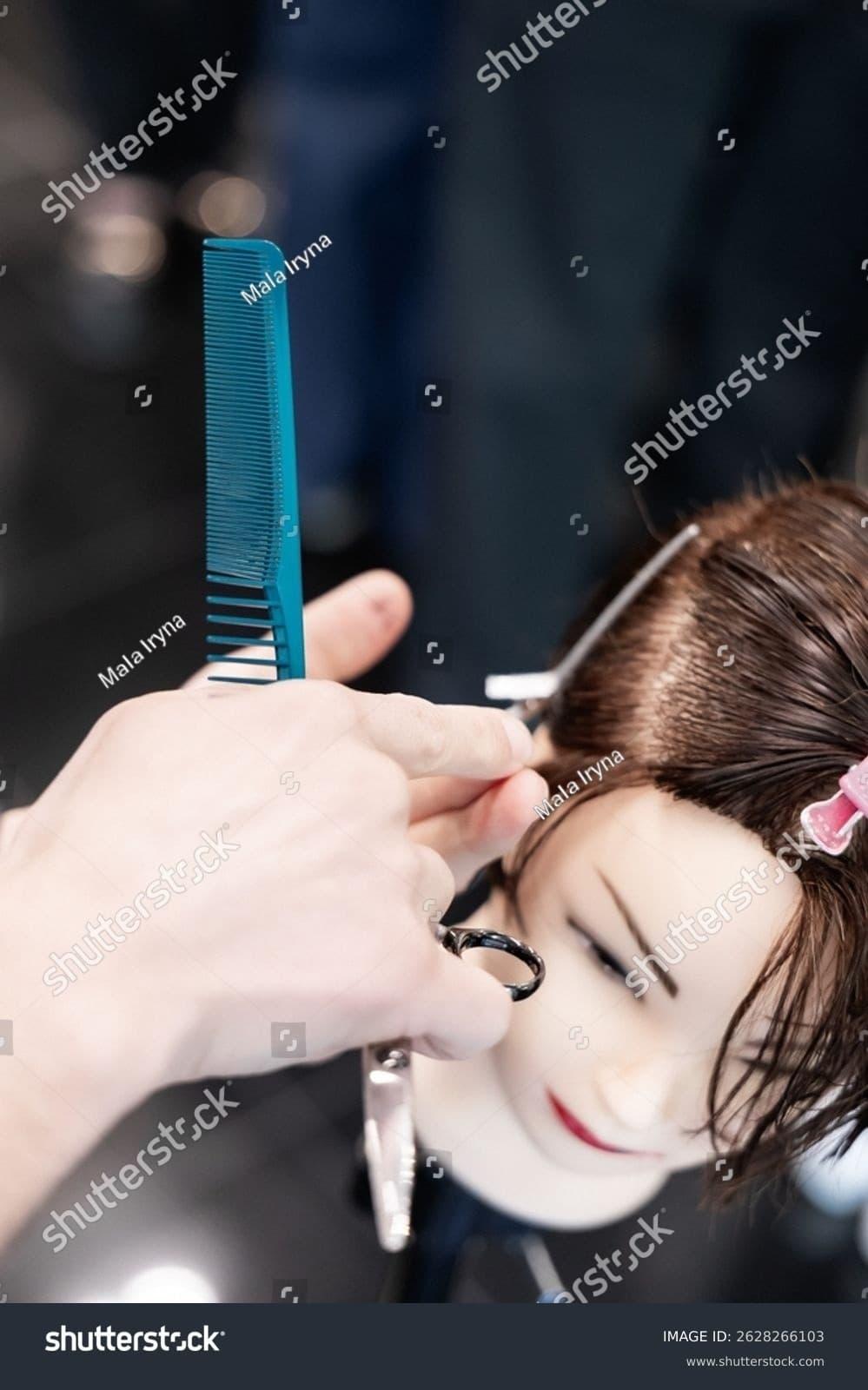
Occasionally have your bilace wig professionally serviced for deep cleaning, re-lacing, or restoration. If the lace tears, professionals can re-lace or replace sections without losing the overall look. For color corrections, bleaching, or complex styling, a wig technician can preserve integrity while delivering salon-quality results. Regular check-ins every 3-6 months for frequent wearers can extend the life of high-end units significantly.
Keep a small maintenance kit with a travel-size detangler, mini brush, adhesive remover wipes, and a few bobby pins. Use dry shampoo to refresh roots and a small comb for quick part touch-ups. Flip the part or loosen the parting area slightly to mask minor shifts. A light spritz of flexible hold hairspray can control flyaways without stiffening the hair, preserving the soft motion that makes a bilace wig look real.
A well-made bilace wig adapts to many looks: sleek straight lob, beachy waves, braided updos, or boxy curls. Change part placement for different face-framing effects and try soft layers to add movement. For formal events, low chignons and soft tendrils around the face produce an elegant, natural silhouette. Shorter lace-front pieces can deliver a chic, undone look with minimal styling while long units showcase more dramatic styling options.
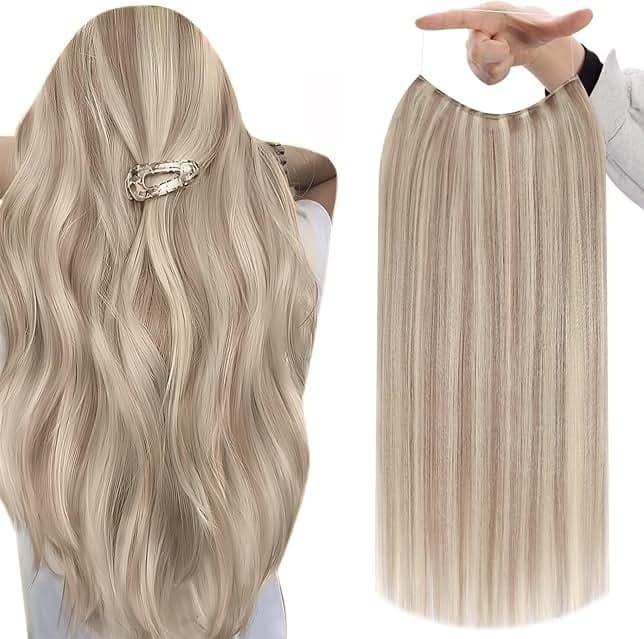
Investing in a quality bilace wig pays off through longevity and realism. Basic synthetic units may cost less upfront, but high-grade human hair units with Swiss or HD lace provide superior styling options and a more convincing hairline. Consider overall value by factoring in routine maintenance, repair costs, and how often you plan to change styles. A higher initial investment often yields a product that stays beautiful and comfortable for years with proper care.
By focusing on cap construction, lace quality, and appropriate care routines, you can select a bilace wig that reflects your lifestyle and aesthetic goals. Remember that a natural-looking unit balances realistic density, color matching, and a well-constructed base. With thoughtful maintenance and professional services when needed, your choice will remain attractive, comfortable, and convincingly natural.
Achieving a believable, natural look is a combination of smart buying, informed styling, and consistent upkeep. Whether you aim for subtle everyday confidence or striking event-ready glam, this informed approach to selecting and caring for a bilace wig ensures you get the most out of your investment. Small details — like matching lace color, refining baby hairs, or choosing the right adhesive — add up to a flawless finish that looks effortless. Prioritize comfort and breathability for long-term wear, and keep a maintenance schedule that preserves lace integrity and hair quality.
Rotate styling products, avoid heavy oils at the roots, and deep-condition periodically. Use silk or satin pillowcases and/or a silk cap at night to reduce friction. Take photographs of your styling techniques or note the products that produce the most natural results to replicate them reliably. When cleaning, always follow a two-stage approach: gentle wash plus deep-conditioning leave-in treatment to lock in moisture and support softness.