If you want to achieve a high-end hairstyle without draining your savings, understanding how to select, style, and care for cheap human hair wigs is essential. This guide will walk you through intelligent buying choices, practical styling tips, and maintenance routines that make budget-friendly real-hair units look and feel like luxury investments. Whether you're new to wig shopping or refining your routine, you'll find evidence-based advice, product features to prioritize, and styling hacks that deliver a realistic finish every time.
Human hair offers unmatched movement, natural shine, and heat-styling versatility compared with synthetic alternatives. For shoppers searching for cheap human hair wigs, the key is knowing which construction details and sourcing practices result in longevity and a premium appearance. The right inexpensive piece can outshine a costlier synthetic wig if cut, colored, and cared for correctly.

Understand vendor terms: "Remy" typically means cuticles aligned, "virgin" implies unprocessed hair, and "HD lace" suggests a thinner lace for a more invisible hairline. For budget-conscious buyers, prioritize caps labeled Remy or low-processed human hair over vague labels like "100% human hair" without clarification.
Even when your price point is low, inspect photos and reviews for these cues: realistic parting, soft texture, minimal shedding reported, and cleanly ventilated knots. Customer images are often more revealing than studio photos. Apply a simple rule: better-quality cheap human hair wigs will have smoother strands, even coloring, and a hairline that allows for natural parting.
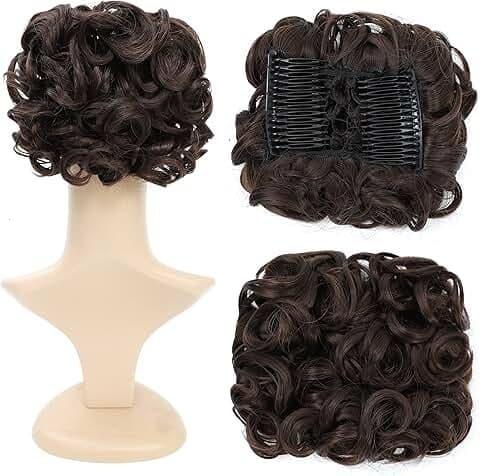 A professional cut transforms any wig. Layering and face-framing pieces remove the "wiggy" silhouette and add movement.
 Add dimension with temporary glosses or subtle balayage highlights applied by a colorist—this is often more cost-effective than buying a high-priced pre-colored wig.
Long-term appearance is about routine: detangle gently with a wide-tooth comb, store the wig on a stand when not in use, and avoid sleeping in the wig except with a silk/satin cap to minimize friction. Keep a small travel kit for quick touch-ups: dry shampoo for scalp freshness, a brush for smoothing, and a light serum for mid-length shine.
Wash frequency depends on use; once every 10–15 wears is common. Use sulfate-free, hydrating shampoos and conditioners designed for human hair. For deep conditioning, apply nourishing masks that restore moisture to the cuticle. After washing, blot with a towel—never twist—and let the wig air-dry on a wig head to maintain the cap's shape.
Small repairs like re-securing loose wefts or reinforcing the lace with wig tape can extend the life of cheap human hair wigs. If the ends are frayed, a light trim removes split ends and revitalizes the silhouette. Rotate between two units to reduce wear and give each wig time to "rest."
To find genuinely economical pieces that appear high-end: buy during sales, prioritize reputable sellers with transparent hair sourcing, and examine return policies. Small investments—like a professional cut after purchase—often yield the most dramatic upgrade in perceived value.
Strategic accessories—minimal metal barrettes, silk headscarves, and neutral headbands—can elevate a look. Choose accessories that complement the wig's color and texture rather than compete with it. A micro-fiber veil or translucent setting spray can tame flyaways without dulling shine.

Many shoppers buy by price alone and get disappointed when a piece tangles or sheds. To avoid that, verify construction details and look for photo evidence of wear over time. Avoid wigs with overly dense caps or inconsistent hair lengths unless your goal is a specific textured look. If the lace is thick or knots are very visible, the wig will appear less natural regardless of the hair quality.
Request details: Is the hair Remy? Has it been chemically processed? What is the return policy? Can you see unstyled customer photos? Asking these questions separates real bargains from misleading listings and helps you invest in cheap human hair wigs that perform well.
Consider short-term staples like 8-12 inch wigs for frequent style rotation; they cost less and allow for dramatic looks without long-term commitment. Also, mid-density units often represent the best value—natural-looking without unnecessary weight.
Basic DIY upgrades include trimming the lace to the hairline, tinting the lace with a light foundation to match your skin, and sewing in a few micro-wefts for targeted volume. These small enhancements significantly improve realism.
A shopper purchased a 14-inch Remy unit marketed as affordable. After a precise cut, lightly plucked parting, and a gloss treatment, the wig rivaled a designer piece in photographs and daily wear. The total cost remained under what many mid-range custom wigs cost—an example of how technique often matters more than sticker price.
Even with budget buys, ethical sourcing matters. Seek vendors who disclose sourcing and processing. Lower prices can reflect low labor standards or excessive chemical processing; favor sellers who provide transparency about hair origin and handling.
Rotate wigs weekly if you wear them daily. Monthly deep conditioning keeps strands flexible, and quarterly trims maintain healthy ends. Keep records of products that work well (shampoo, leave-in, heat protectant) so you replicate successful results across units.
Paying for a precision cut or a professional tint often yields better value than purchasing a more expensive wig. A stylist can also secure the lace and customize the cap for better fit—which is the single most convincing upgrade to any entry-level human hair piece.
Focus on construction quality, realistic density, and cap fit rather than on brand names. Invest in a professional cut, practice gentle care, and employ styling techniques that mimic natural growth patterns. With the right approach, cheap human hair wigs can look expensive for months or even years.
Search specialized wig retailers, vetted marketplace sellers with extensive customer images, and community-driven groups where users post honest reviews and before/after photos. Prioritize vendors with clear policies and transparent product descriptions.
Patience and a modest initial investment in cut and care will pay off more than chasing a high price tag. The secret to making cheap human hair wigs look luxurious is a blend of educated selection, targeted upgrades, and consistent maintenance. Embrace small enhancements that mimic natural hair behaviors, and you'll enjoy a credible, stylish result without overspending.