If you are exploring the world of wigs, a blonde curly wig can be one of the most transformative and versatile choices available. Whether you're after soft beach waves, tight ringlets, or loose S-shaped curls, understanding styles, cap constructions, maintenance routines, and blending techniques will ensure your wig looks natural and lasts longer. This guide focuses on practical styling tips, realistic color matching, and long-term care strategies to help you enjoy a comfortable, low-maintenance routine while keeping your curls defined and glossy.
Blonde shades can brighten your complexion and offer a youthful appearance; when combined with curls, they introduce movement and dimension that straight wigs often lack. A blonde curly wig is ideal for people who want volume without heavy styling, want to experiment with lighter tones without bleaching their natural hair, or need quick glamour for special events. Curls help scatter light across the fiber surface, masking minor imperfections and creating a naturally radiant finish.
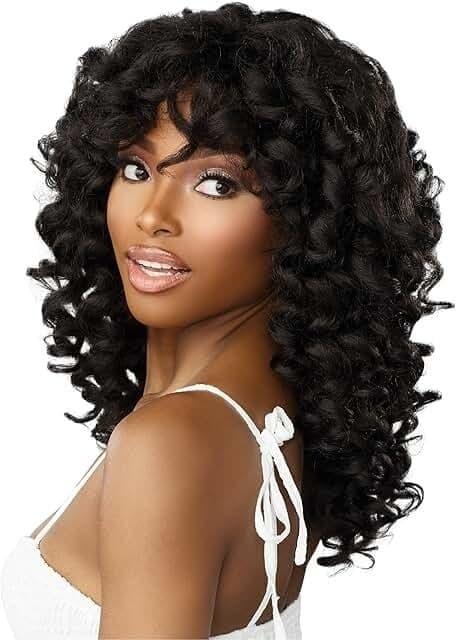
When selecting a blonde curly wig, you will encounter human hair and various synthetic options. Human hair wigs offer the best natural movement and long-term styling flexibility — you can heat style, dye, and cut them just like natural hair. High-quality synthetic fibers have advanced tremendously; heat-friendly fibers allow limited thermal styling and often come pre-styled into resilient curls that bounce back after wear. Consider lifestyle and maintenance willingness: human hair requires more care but offers longevity and customization, while synthetic wigs are low-maintenance and ideal for users who prefer ready-to-wear convenience.
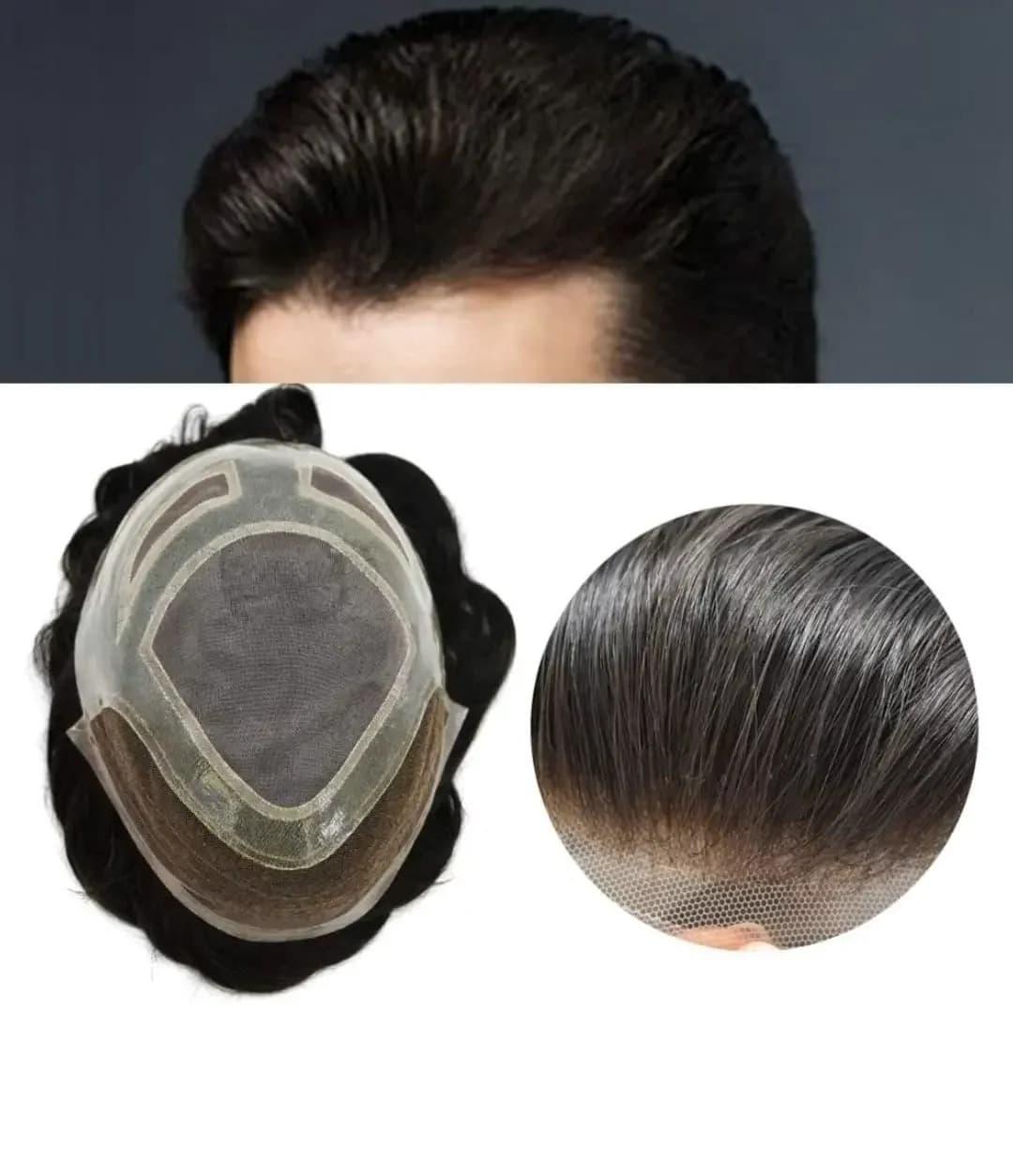
Cap styles affect realism and breathability. Lace front caps give a natural hairline and excellent styling versatility for pulled-back looks. Full lace caps allow parting anywhere, while monofilament tops provide a scalp-like appearance at the crown. If you prioritize comfort and budget, wefted caps are lighter and more affordable. Always measure your head for a secure fit: measure at the hairline, around the nape, over the crown, and across the top to get an accurate circumference.
Choosing the right blonde for your complexion is essential. Warm complexions suit golden blonde, honey, and buttery tones. Neutral skin tones can wear a broad spectrum from ash blondes to warm caramel shades. Cool undertones work well with ash blondes and platinum hues. When you select a blonde curly wig, examine the fiber under natural light or request color samples. Blended highlights and lowlights will add depth and reduce the uniform flatness that makes a wig look artificial.
Customized cutting and layering are the fastest way to make a wig appear natural. Layering around the face softens bulky silhouettes and accentuates curl pattern movement. Face-framing layers and feathered ends reduce the "wiggy" helmet effect. Ask a stylist to thin the density at the crown and create seamless transitions at the hairline and nape. For short curly wigs, a tapered back and textured top provide a modern, chic look. For longer lengths, long layers and curtain bangs in curls are very forgiving and flattering on most face shapes.
Routine matters. For a synthetic blonde curly wig, shake it out gently after wear and store on a wig stand to maintain shape. Avoid crushing curls under hats when possible. For human hair, refresh curls with a water + leave-in conditioner spray and use your fingers or a wide-tooth comb to separate and define. Microfiber towels help blot away moisture without frizz. When detangling, always start at the ends and work your way up to the roots with gentle strokes.
Wash frequency depends on use and product buildup. If you wear your wig daily, aim to wash every 7–10 wears; for occasional use, wash every 12–15 wears or when styling products accumulate. Use sulfate-free, wig-formula shampoos for human hair and specialized synthetic cleansers for synthetic fibers. Condition human hair wigs with a weekly deep-condition treatment to maintain elasticity and shine. For synthetic fibers, a conditioning soak will detangle and reduce static. Always rinse with cool to lukewarm water and avoid wringing the fibers; press excess water out gently and blot with a microfiber towel before air-drying on a stand to preserve the curl pattern.
Human hair wigs can be styled with hot tools, but use a thermal protectant and avoid constant high heat. Maintain curl longevity by using lower temperatures and larger barrel sizes for loose waves, smaller barrels for tighter curls. For synthetic wigs, only heat-resistant fibers can tolerate styling tools—always check the manufacturer's temperature limits. Consider using steam or a heated roller set for human hair to re-establish curl without overexposure to direct heat.
Blonde shades can fade or brass over time, especially on human hair wigs. Use color-safe shampoos and consider a purple or blue toning shampoo to counteract unwanted warmth and maintain crisp blondes. If your wig starts to look brassy, a professional color refresh or toner can restore vibrancy. For synthetic wigs, select fibers with multi-tonal highlights built-in to avoid flatness; if fading occurs, a professional dye for synthetic fibers may help, but often replacement is more cost-effective for heavily used pieces.
Blending the lace with your skin tone is key to a seamless look. Trim lace carefully and secure with recommended adhesives or tapes. Use a light foundation or skin-tone-specific concealer on the lace underside — test first to avoid staining. For natural baby hairs, carefully pluck and thin small sections of the hairline or ask a stylist to create soft, realistic edges. Protect the lace from oils and makeup by applying a barrier film designed for lace wigs.
Store your wig on a mannequin head or a breathable stand to keep style shape and prevent tangling. Use a silk or satin wig cap when sleeping in a wig to reduce friction, though long-term sleeping in any wig is not recommended. Human hair wigs can last for years with proper care; synthetic wigs typically last months to a couple of years depending on wear frequency and fiber quality. Rotate between two wigs to extend the lifespan of each and reduce daily wear stress.
For instant lift, tease lightly at the roots and spray with a flexible hold spray; a few pin curls while damp can reset curl shape for synthetic wigs; add clip-in bangs or face-framing pieces to change the silhouette without cutting your main wig; use a wide-tooth comb or your fingers to refresh curls instead of a brush to preserve the pattern. When blending a blonde curly wig with natural hair at the nape or temples, leave a few thin strands of your own hair out to create continuity between skin and wig.
When shopping, prioritize suppliers with clear fiber information, return policies, and customer reviews. Ask about cap construction, fiber origin, pre-styled curl pattern instructions, recommended products, and heat tolerance levels. For human hair, request details about sourcing and treatments the hair received. For custom color orders, provide clear photos of your complexion and desired shade, and ask for swatches if possible.
Investing in professional cutting, ventilating (for lace customization), and coloring can dramatically improve realism. A trained wig stylist can match density, hand-knot the hairline, and add subtle highlights or lowlights to mimic natural hair depth. Professional steam-setting and shaping also improve curl retention without damaging fibers.
Consider suppliers who disclose ethical sourcing for human hair and transparent manufacturing for synthetic fibers. Sustainable packaging, recyclable stands, and cruelty-free labeling can be part of your purchasing criteria if environmental impact and ethics matter to you.
Embracing a blonde curly wig means balancing style and care. With the right selection, cutting, and consistent maintenance, a curly blonde piece can look indistinguishable from natural curly hair and become an essential part of your beauty routine.
It depends on usage: typical guidance is every 7–10 wears for daily use and less frequently for occasional wear. If you use a lot of styling products, wash more often to avoid buildup.
Most synthetics cannot be dyed with traditional hair dye. Some heat-resistant synthetic fibers accept special fabric dyes, but results are unpredictable; for significant color changes, consider purchasing a new wig in the desired shade.
Store on a wig stand out of direct sunlight, ideally covered with a breathable fabric to reduce dust. For travel, pack it gently in a satin-lined bag with tissue paper to support the curls.
Choosing and caring for a curly blonde piece becomes easier with knowledge and practice; use this guide as a reference and adapt techniques to your specific wig type to achieve the most natural, long-lasting results possible.