In the competitive world of hair enhancements, a focused approach to creating natural-looking results sets exceptional services apart. Whether you are running a boutique business or seeking to master styling for personal use, the detailed guidance below draws from industry best practices and the hands-on experience of a premier wig studio 1 environment. The aim is to help you build believable, comfortable, and long-lasting looks while optimizing client satisfaction and search visibility through clear, structured content that highlights the phrase wig studio 1 for search engines and potential customers.
Natural-looking wigs are more than a fashion statement; they are confidence builders. Achieving a realistic result demands attention to hairline design, cap construction, fiber selection, color blending, and tailored styling. This guide explores each factor systematically, providing actionable advice for stylists and enthusiasts interested in elevating their technique within a wig studio 1 setting. The content balances technical depth with accessible tips, ensuring utility for beginners and professionals alike.
Cap construction is the foundation of comfort and realism. Key cap types include:
Match cap type to the client’s lifestyle: those seeking maximum realism and styling freedom benefit from lace-front or hand-tied caps, while clients who prioritize budget and wearability may prefer machine-made wefted constructions. In a wig studio 1 consultation, document the client’s daily routines, sensitivity to adhesives, and required durability to make an informed recommendation.
Fiber choice affects styling, longevity, and care. Human hair offers the most natural movement and heat-styling flexibility, while high-quality synthetic fibers can mimic textures at a lower cost and often maintain their style through humid conditions. Heat-resistant synthetics provide an intermediate option that accepts low-to-medium heat to restyle. In a professional wig studio 1 operation, maintaining separate care protocols for each fiber type prevents damage and extends product life.
Realistic coloring goes beyond single shades. Natural hair rarely appears uniformly colored; lowlights, highlights, and face-framing tones create depth. Techniques include:
Always perform color tests on inconspicuous cap areas. In a wig studio 1 workflow, document color formulas and use swatches to ensure repeatability for return clients.
One of the most critical aspects of realism is the hairline. Key practices used in premium wig studio 1 services include:
Tip: Use minimal product on baby hairs and seal them with a light gel to avoid stiffness.
Proper fit prevents slippage and improves movement. Steps to ensure a tailored fit include:
In a professional wig studio 1 environment, fittings may include a trial adhesive application to test skin compatibility and client comfort with different attachment systems.
Choosing the right attachment method balances security, longevity, and scalp health. Options span from temporary clips to semi-permanent adhesive systems. Common choices are:
Document adhesive choices, removal products, and aftercare protocols in your wig studio 1 client file to ensure safe, repeatable service.
Cutting a wig differs from cutting on a living client. The mannequin or block resists subtle tensions, so adapt your technique:
At wig studio 1, stylists typically rehearse haircuts on secondary units before altering client-favored pieces to reduce risk.
Appropriate washing extends life and preserves style shape. General routine:
Air drying on a padded block maintains shape. For human hair units, occasional deep-conditioning treatments help sustain elasticity and sheen. In a commercial wig studio 1 setting, maintain standardized care sheets for clients to follow at home.
Proper storage prevents tangling and distortion:
For long-term storage, wrap in silk or satin to reduce friction and matting. Record storage dates and usage frequency in client records—this is a hallmark organizational tactic in successful wig studio 1 businesses.
Stock quality tools that respect fiber types: wide-tooth combs, heat tools with adjustable thermostats, microfine spray bottles, and low-residue styling products. Avoid heavy oils and silicone-rich serums on lace fronts as they can degrade adhesives. For synthetic fibers, use spray-on conditioners formulated for synthetics to restore softness and reduce static.
Proper adhesive care ensures longevity and protects delicate lace fronts. Clean adhesive residues with manufacturer-recommended solvents and follow with gentle cleansing. Avoid aggressive scrubbing that can stretch or tear lace. In a certified wig studio 1, technicians are trained to perform adhesive removal with minimal stress to the base material.
A repeatable consultation process helps capture client goals and informs a customization plan. Essential consultation steps:
Standardizing this workflow helps position your service as reliable and professional; it is a strategy often emphasized in training materials for leading wig studio 1 operations.
Before releasing a finished unit to a client, perform a step-by-step inspection:
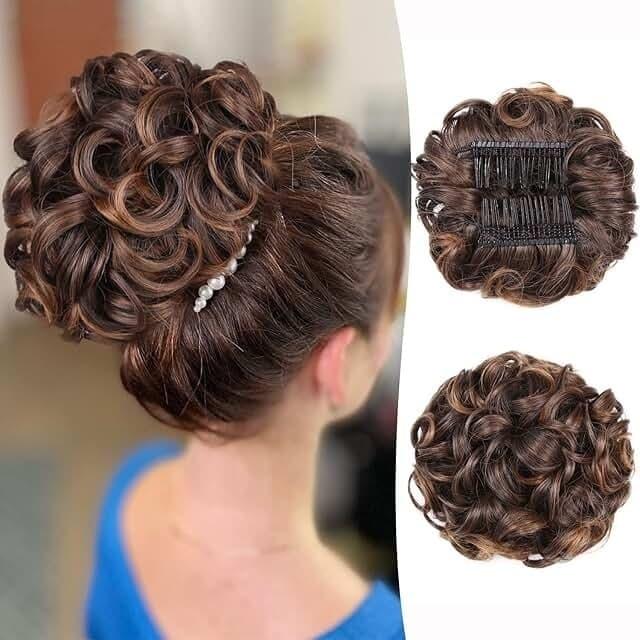
Final styling should include photographic documentation to support client records and marketing portfolios.
Elevating your business involves more than technical excellence. Consider these studio-focused strategies:
To attract the right audience, optimize online presence with localized content, schema markup (handled at the site level), and frequent blog posts addressing common queries. Use the keyword wig studio 1 naturally across headings, alt text, and service descriptions while avoiding keyword stuffing. Create educational content—how-to guides, care routines, myth-busting posts—and update them seasonally to maintain freshness.
For clients with significant hair loss, integration methods such as partial units or hand-tied extensions can blend with remaining natural hair for a seamless appearance. These procedures require advanced planning, careful selection of anchor points, and periodic professional adjustments. A reputable wig studio 1 will have clear protocols for these medical-grade services, including collaboration with healthcare providers when appropriate.
Transparency builds long-term loyalty. Communicate expected wear schedules, maintenance requirements, and realistic outcomes. Disclose product origins and explain limits of warranty and returns. A client who understands their investment is more likely to follow care guidelines and recommend your services.
Continual training keeps stylists current with innovations in fibers, adhesives, and cutting-edge cap constructions. Encourage certification courses, supplier workshops, and peer reviews within your team. Mentorship programs in a wig studio 1 environment can accelerate skill transfer and maintain consistent service quality across technicians.
Even with care, issues arise. Here are troubleshooting steps for frequent problems:
Pro Tip: Keep a small care kit for clients containing a soft brush, cleansing wipes, and a travel-size conditioning spray—these increase client confidence and brand recall.
Consider sustainable options: recycled packaging, responsibly sourced human hair suppliers, and eco-conscious product lines. Communicating these choices through your web presence and social channels resonates with environmentally minded clients and can be woven into keyword-rich content strategies involving wig studio 1.
Pricing should reflect skill, materials, and time. Offer clear breakdowns of what clients receive at each price point and consider add-on services such as color blending or bespoke hairline sculpting. Transparent pricing reduces friction and supports upselling of maintenance plans and premium materials.
Track client satisfaction, retention rates, and average spend per client to measure studio performance. Document case studies that highlight problem-solving instances—difficult cap repairs, successful color matches, or transformative makeovers. These narratives convert well into blog posts and social proof that amplify the authority of a wig studio 1 brand.
Delivering natural-looking styles requires a holistic mix of technical skill, high-quality materials, and attentive client care. By aligning operational excellence with clear communication and ongoing education, studios can offer outcomes that are both beautiful and durable. Implement the systems described here to raise the standard of your service and reinforce your reputation as a reliable provider—clients will remember the comfort and authenticity that comes from a well-executed wig transformation.
