Selecting a made-to-measure hairpiece can feel overwhelming, yet a clear, methodical approach turns confusion into confidence. Whether you're seeking a full lace system for daily wear, a partial integration unit, or a bespoke cap that respects sensitive skin, the right guidance makes all the difference. This guide emphasizes professional considerations and user-friendly tips while keeping search visibility strong for terms like wig studio 1 and related long-tail queries, so readers can find specialized help fast.
Mass-produced units serve many people, but a customized solution improves fit, comfort, and natural appearance. When you consult a trusted workshop such as wig studio 1, technicians take head shape, hairline preferences, and lifestyle into account to design a cap and density that align with your goals. Customization reduces pressure points and avoids the telltale gaps that reveal an off-the-shelf piece, so investing in a studio process often saves time and frustration in the long run.
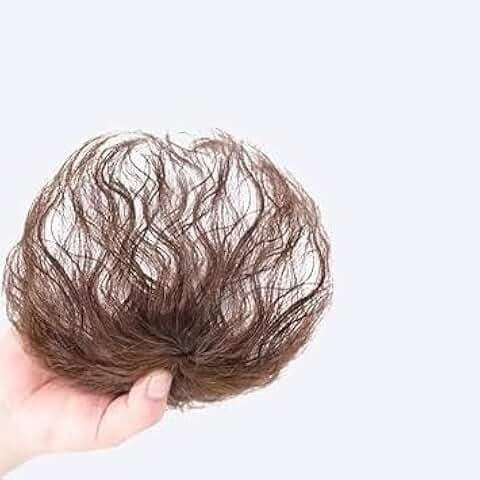
The answers drive cap selection, material choices, and construction techniques—key variables at any reputable wig studio 1 operation.
Measurements are non-negotiable. A wrong circumference or ear-to-ear span compromises security and alignment. Ask your atelier to record the following: front hairline to nape length, temple-to-temple across the forehead, ear-to-ear across the top, and the full head circumference. When measurements are taken precisely, the finished piece hugs the skull in all the right places. If a technician offers a 3D scan, consider it; digital data streamlines repeat orders and ensures consistent results each time you return to wig studio 1.
Discuss these options with a professional designer at wig studio 1 to align cap choice with your daily activities and climate concerns.
Human hair offers unmatched styling flexibility: you can curl, dye, and heat-style it like natural hair, though it requires more care and cost. High-quality synthetics now mimic natural fiber movement and return to shape after washing, reducing styling time. For people seeking low-maintenance solutions, modern heat-friendly synthetics provide a compromise between convenience and aesthetics. If longevity and the ability to recolor are priorities, human hair from ethically sourced suppliers is often recommended by top specialists including those at wig studio 1.
Color matching is both technical and artistic. Studio colorists use reference swatches, natural light checks, and layering techniques (subtle lowlights, babylights, or hand-painted highlights) to create depth and dimension. Avoid requests for heavy chemical processing on low-quality hair; a reliable workshop like wig studio 1 will advise on sustainable color methods to preserve fiber integrity. If you want a dramatic change, plan for staging or incremental toning to maintain fiber health.
Density control is crucial for a natural silhouette. Ask for a density map so you can visualize how hair will fall at the crown, temples, and part. Skilled artisans taper the density around the hairline and temples to avoid a bulky, artificial edge. Micro-knotted baby hairs and feathered frontal shaping create a believable transition from skin to hair and are often part of the bespoke service at reputable studios such as wig studio 1.
Discuss these specifics during your fitting so you understand trade-offs and maintenance needs.
Whether you have a curated wig from a bespoke room or a carefully selected synthetic, maintenance extends life significantly. For human hair units, weekly cleansing with sulfate-free, gentle formulas, a conditioning mask every 2-3 wears, and minimizing heat exposure preserve cuticle health. For synthetics, use products formulated for artificial fibers and avoid hot tools unless the fiber is heat-friendly. A broad-tooth wig comb or a soft-bristle brush prevents breakage. When not in use, store on a mannequin head or padded stand to maintain shape and protect from dust.
Following these protocols recommended by professionals at wig studio 1 reduces tangling and preserves shape.
For human hair pieces, use thermal protectant and keep irons or wands below 180–200°C depending on hair quality. For synthetic units labeled "heat-friendly," always test a small hidden strand first and work at lower temperatures to avoid irreversible damage. Layered cuts and soft texturizing make styling easier at home; when in doubt, request a slightly longer initial cut to allow for future shaping by your stylist.
Adhesion choices should reflect your skin sensitivity and activity level. Medical-grade tapes offer strong daily hold with less chemical exposure compared to solvent-based adhesives. For long-term wearers, tapes applied by a technician minimize glue contact with the epidermis. When using liquid adhesives, patch-test every new product and follow removal instructions to avoid scalp trauma. A trusted wig studio 1 will provide safe application guidance and removal tools to protect the skin barrier.
When traveling, use breathable storage bags and a travel head or fold carefully with acid-free tissue to maintain the cap's shape. Humidity can affect curl patterns; a small travel steamer and a soft brush can resuscitate the style without heavy product buildup. Professional studios packing services often offer custom travel cases that protect expensive hand-tied units during transit.
All wigs experience wear: knotting loosens, lace edges fray, and color fades. Regular check-ins with your studio every 6–12 months allow technicians to reinforce knots, replace lace, and refresh tone. Many workshops including wig studio 1 provide refurbishment plans that spread the cost across scheduled maintenance visits, keeping pieces wearable for years rather than months.
Price varies by fiber, craftsmanship, and added customization. Human hair hand-tied systems are premium due to labor intensity and material sourcing. Synthetic alternatives reduce upfront cost but may require more frequent replacement. Consider total cost of ownership—initial price plus maintenance, styling, and expected lifespan—when deciding. A professional studio will provide a transparent quote and explain how construction choices influence longevity and appearance.
Key indicators include documented client before-and-after galleries, clear material sourcing policies, a demonstration of sanitation protocols, and open discussion about warranties and aftercare. Client testimonials and the ability to perform a test fitting should be standard. Many clients search specifically for keywords such as wig studio 1 because specialized workshops often provide better bespoke results than general salons, due to focused training and dedicated resources.
Choosing a studio should feel collaborative rather than transactional.
Practice wearing your new piece in a private setting before debuting it publicly. Break-in periods allow you to adjust adhesives, learn styling tricks, and discover the best parting or hairline orientation that flatters your face. A short styling lesson with a studio technician—covering part placement, baby-hair customization, and securing techniques—can change everyday confidence and reduce anxiety about displacement or visible edges.
Ask your studio about ethical sourcing. Reputable houses document donor consent and offer traceable supply chains for human hair. Sustainable practices also include recycling programs for old units and offering repair-first policies to extend product life rather than encouraging frequent replacements. Many consumers now select studios known for both craftsmanship and ethical responsibility, and searching for terms like wig studio 1 plus "ethical sourcing" can surface responsible providers.
Myth: "Custom means impractically high maintenance." Reality: a well-constructed custom piece is often easier to wear because it requires fewer daily adjustments. Myth: "Synthetic always looks fake." Reality: high-end synthetics can rival human hair aesthetics for certain styles and budgets. Myth: "Only cancer patients use wigs." Reality: wigs serve diverse needs including fashion, cultural expression, hair thinning solutions, and protective styling.
Confirming these items ensures a smooth transition from studio to daily life.
Searchers often include numerical identifiers when seeking a particular location, reputation, or series of reviews associated with a named studio. Using the phrase wig studio 1 helps filter results to specialized providers, relevant portfolios, and locally vetted professionals. If you are using search engines to shortlist studios, combine this term with local modifiers (city, neighborhood) and service keywords (custom lace, hand-tied, color matching) to refine options.
Bring photos of desired outcomes and a short list of must-haves. Ask for a timeline from measurement to delivery, and clarify what is included in the base price (e.g., basic styling, initial trimming, or return visits). If transport or immune-compromised conditions are concerns, inquire about remote consultations or sanitized exchange options.

Track maintenance schedules in a calendar app, note product batches that worked well, and store before/after photos to help technicians refine future orders. If you rotate units, label storage containers and keep repair receipts for warranty claims. These organized habits extend value and strengthen communication with your studio partner, such as wig studio 1.
Choosing and caring for a custom wig involves education, collaboration, and realistic expectations. A thoughtful investment in a reputable studio yields a piece that supports both your aesthetic and daily life demands. Whether you’re new to custom units or refining your existing routine, prioritize clear communication, ethical sourcing, and a maintenance plan that fits your schedule. Working with a knowledgeable team—search terms like wig studio 1 can help you find them—ensures the process feels supportive rather than stressful.
Answer: Lifespan depends on fiber type and care; human hair units can last one to three years or more with careful maintenance, while quality synthetics often last six months to a year of regular wear.
Answer: Human hair wigs can be colored, but it should be done by professionals to avoid damage. Most synthetics cannot be safely dyed with conventional hair dye.
Answer: For those prioritizing movement, scalp realism, and styling flexibility, hand-tied construction often justifies its premium through superior comfort and aesthetic payoff.
If you want to learn more about bespoke options, look for studios that publish detailed walkthroughs, client galleries, and transparent pricing—searching for targeted phrases such as wig studio 1 combined with "custom" or "hand-tied" will surface focused professionals who can deliver a tailored experience.
