
what is the best wig to buy — concise guidance to choose with confidence
If you've typed or wondered what is the best wig to buy you are in the right spot: this extensive buying resource breaks down choices by hair type, cap construction, price tier, maintenance, and real-world wear scenarios. Whether you're exploring human hair, high-end remy, or quality synthetic options, this guide explains the trade-offs so you can match a top pick to your lifestyle, skill level for styling, and budget. Use the highlighted keyword what is the best wig to buy as a search anchor when comparing product pages and reviews to keep your research focused.
Why intent matters: define your purpose before you pick
Start by answering three quick questions: do you want daily wear or occasional use; do you plan to style heat-wise or preserve factory texture; and do you need medical-grade comfort or fashion-focused drama? The answer to these will steer you to human hair or synthetic fiber, full lace or monofilament, ready-to-wear styles or custom hand-tied units. Understanding the intent helps you answer the core question: what is the best wig to buy for your needs rather than the absolute "best" on paper.
Overview: human hair vs synthetic — the essential comparison

- Human hair
 : natural appearance and durability, heat-stylable, can be colored and cut. Higher initial cost, needs more care, best for long-term daily wearers.
 - Synthetic: lower cost, pre-styled hold, low maintenance, great for beginners or costume/fun looks. Newer heat-friendly synthetics narrow the realism gap but still have a different longevity profile.
- Blends: combine human strands with synthetic for affordability plus better movement than straight synthetic.
Cap construction explained: why the base matters
Cap types include basic machine-made, lace front, full lace, monofilament, and hand-tied. Each affects hairline realism, parting versatility, cap breathability, and price. If your core question is what is the best wig to buy for a natural hairline and styling freedom, prioritize lace-front or full-lace monofilament caps. For budget daily wear, a machine-made cap might suffice.
Quick cap guide
- Machine-made: durable and cost-effective; visible wefting under scrutiny.
- Lace front: realistic hairline, mid-range prices.
- Full lace: most versatile for styling updos and parting anywhere; higher price.
- Monofilament: single-fiber knots simulate natural scalp at parting and crown; excellent for realism.
Key attributes when deciding what to buy
Consider these attributes in priority order: hair type, cap size/fit, hair density, length, base color and highlights, ability to heat style, maintenance time, and return policy. Each attribute influences price and satisfaction. When researching online, search phrases that include your top priorities along with what is the best wig to buy to get tailored results (e.g., "what is the best wig to buy for chemotherapy," "what is the best wig to buy for daily wear human hair").
How to choose by budget — practical tiers
Under $100
Most in this tier are synthetic with machine-made caps. Great for trend experimentation and short-term use. Expect limited longevity but strong value for the price.
$100–$300
A mix of higher-grade synthetic, heat-friendly synthetics, and entry-level human hair or blended pieces. Improved realism and reasonable longevity; many lace-front units appear in this range.
$300–$800
High-quality remy human hair, hand-tied caps, or premium full-lace synthetics. Ideal for regular wearers wanting longevity and styling flexibility.
$800+
Top-tier custom human hair systems, couture lace-fronts, custom color matching and cut. Best for long-term investment and maximum realism.
Top 12 picks for different budgets and needs (expert-selected)
Below are 12 recommendations spanning synthetic and human hair options. Each pick lists a short reason why it could answer your query of what is the best wig to buy.
- Best budget synthetic: Everyday Chic Synthetic — a machine-made cap with heat-friendly fibers; ideal for occasional wear, minimal upkeep, very affordable; good starter pick for trend experimenters.
- Best heat-friendly synthetic: ProStyle Heat Wave — can be styled up to 350°F, retains shape on humid days better than older synthetics; perfect if you want styled looks without human hair cost.
- Best human hair starter: Classic Remy EasyWear — remy human hair with a lace front; excellent blend of price and performance for newcomers to human hair units.
- Best daily human hair: Urban Natural 100% Remy — hand-tied sections and monofilament parting, durable with routine care, natural density; recommended if you're asking, "what is the best wig to buy for everyday use?"
- Best lightweight cap: Breeze Comfort Lace — exceptional breathability and adjustable straps; great for hot climates and long-day comfort.
- Best for medical wear: GentleCare Medical Cap — soft lining, hypoallergenic, and secure fit; designed for sensitive scalps and long-term daily wear.
- Best high-volume look: Glam Luxe Full Volume — higher density and layered construction for dramatic styles and stage use; choose if you want bold presence.
- Best natural curl: CurlyGlam Remy — human curly texture with cuticle-aligned remy strands; retains defined curl pattern and reduces frizz when properly cared for.
- Best color options: ChromaSelect Blends — wide factory palette and highlight options; ideal for those who want pre-colored realism without salon visits.
- Best custom option: TailorMade Couture — fully custom measurements, scalp-matching lace, and bespoke color; best for those who can invest in a long-term perfect match.
- Best budget human-blend: Everyday Blend Smart — mixes remy and synthetic for cost savings while improving movement and realism over pure synthetics.
- Best travel-friendly: PackAway Lite — low-maintenance fiber, foldable cap design, and quick restyle; great for frequent travelers who need a reliable look with minimal fuss.
Maintenance essentials to prolong life
Routine care varies by hair type: human hair needs sulfate-free shampoo, deep conditioning, heat-protectant styling, and occasional trims to avoid split ends. Synthetic fibers require gentle washes only when needed, cool-water rinses, and avoidance of high heat unless labeled heat-friendly. Store on a wig stand to keep shape. Use wide-tooth combs for wet human hair and special wig brushes for synthetic pieces. Policies on returns and warranty are also critical—choose sellers with clear restocking, exchange, and repair options.
Fitting and comfort: measurement and cap adjustments
Measure head circumference, temple-to-temple across the forehead, ear-to-ear across the hairline, and nape-to-front. These dimensions guide whether a small, average, or large cap fits best. Adjustable straps and silicone grip bands increase security. For unstable hairlines or heavy activity, consider wig tape or light adhesive and consult a professional fitter for monofilament or full lace units.
Styling tips to get the look you want
- Human hair: Use low heat for frequent styling, apply a heat protectant, and air-dry when possible to extend life.
- Synthetic: Refresh with steam or low-heat tools only if fiber is labeled heat-friendly; otherwise use cold styling methods like setting on forms.
- Color adjustments: Only professional colorists should dye human hair wigs; synthetics can’t be dyed traditionally.
How to evaluate retailers and avoid pitfalls
Look for transparent product pages with multiple photos (including close-ups of the hairline and cap), video demonstrations, and customer reviews with photos. Read return policies and shipping timelines. Beware of drastically low prices for items labeled as 100% remy human hair—authentic remy typically commands a higher price. If a listing answers your query about what is the best wig to buy but lacks photos or a clear cap description, proceed cautiously.
Color matching: tips for a natural blend
To blend a wig with your natural skin tone, compare the wig under natural light, request multiple swatches from vendors, or opt for a 2-3 tone highlighted option instead of a flat one-tone color. For medical hair loss, some vendors offer scalp-colored bases that mimic skin undertones for greater realism.
When to consult a professional
If you plan custom color, close-to-scalp integration, or have medical needs, consult a certified wig specialist. Installation, trimming, and professional styling often make the difference between a wig that looks like a cap and one that looks like natural hair.
Shopping checklist: quick decision aid
- Define purpose (daily, medical, cosplay).
- Choose hair type (human, synthetic, blend).
- Select cap construction (lace front, full lace, monofilament).
- Measure head and confirm return policy.
- Check photos, videos, and customer reviews.
- Buy a wig stand and care products simultaneously.
Common misconceptions about wigs
Many believe human hair always beats synthetic; while it offers realism, synthetics can be superior for low maintenance and maintaining a styled shape in humid climates. Another misconception is that expensive always equals better; sometimes a mid-range remy wig with the right cap construction and fit outperforms a pricey but poorly constructed alternative.
Environmental and ethical considerations
Remy human hair sourcing varies: ethically sourced hair from transparent suppliers is preferable. Consider vendors that provide sourcing information and fair-trade assurances. Synthetic hair has a different environmental footprint, as it is petroleum-based. Recycling programs for old wigs are emerging—check with vendors or local charities that accept used wigs for donation.
Quick answers to steer your search
If you need a short answer to what is the best wig to buy, use this rule of thumb: for daily, natural, and styling flexibility — remy human hair with a lace front or monofilament cap; for low-maintenance, fashion-forward, or budget-friendly — quality heat-friendly synthetic or blended units.
Real-world scenarios
- Daily professional work: choose monofilament remy with medium density and a natural color.
- Occasional fashion: pick dramatic, higher-density synthetics or blends for statement looks.
- Medical hair loss: prioritize comfort, soft linings, and vendor return/warranty options.
Resources and further reading
Look for reputable wig blogs, YouTube tutorials by professional stylists, and medical resources for hair loss where needed. Forums and community groups often share unfiltered feedback about specific models and sellers. Use your keyword what is the best wig to buy in combination with "review," "unboxing," and "real customer photos" to narrow the most actionable results.
Final checklist before purchase
- Have you measured your head accurately?
- Did you confirm cap type and hair origin?
- Are photos and videos available including hairline close-ups?
- Is the return policy clear and reasonable?
- Does the seller offer care instructions and a warranty?
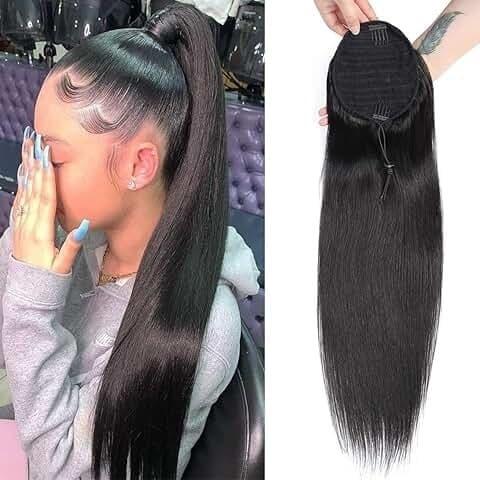

Answer these and you can move from wondering what is the best wig to buy to confidently selecting a model that fits your life.
Expert closing tips
Start with one versatile piece if you're new, invest in proper care products, and don't be afraid to take an item to a professional for a customized trim—often the final cut makes the wig feel like it was made for you. Track your purchases and note which attributes you liked and disliked to refine choices next time.
We hope this long-form guide gives you practical clarity and steps that directly answer what is the best wig to buy for your needs. Use the top picks and the checklist above as a starting point and customize from there.
Frequently Asked Questions
Q: How often should I replace a wig?
A: Replacement depends on usage and quality. Human hair wigs worn daily can last 9–12 months with care; synthetic units range from 3–6 months with regular wear. Proper care extends life.
Q: Can I heat style a heat-friendly synthetic wig?
A: Yes, if the manufacturer specifies heat tolerance. Use lower temperatures than you would on human hair and test a small section first.
Q: Is a full lace wig always better than a lace front?
A: Full lace offers more styling versatility but typically costs more. Lace front is excellent for most wearers seeking a natural hairline and slightly lower cost.