This extensive guide helps you navigate modern options and practical tips for purchasing budget-friendly hair solutions online, with special focus on shein wigs as an accessible source for trend-led, affordable units. Whether you're a first-time buyer or updating an existing collection, this resource dives deep into selection criteria, realistic expectations, styling techniques, and maintenance routines designed to make synthetic or human-hair alternatives appear more natural and last longer. Throughout the article, you'll find clear steps and product-aware advice to confidently choose and care for your next hairpiece.
Online fast-fashion retailers revolutionized wig access by offering hundreds of styles, rapid restocks, and wallet-friendly price points. For many consumers, shein wigs represent a low-commitment way to experiment with lengths, colors, textures, and trending silhouettes without a major investment. The best approach is to balance affordability with realistic expectations about construction, longevity, and the need for proactive care.
The material dictates not just appearance but also how you will care for, style, and maintain the hairpiece. Many buyers choose shein wigs for synthetic fashion colors and textures; however, understanding trade-offs is crucial.
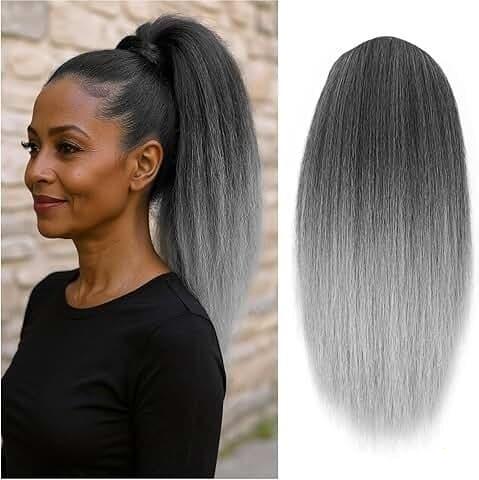
Fit is non-negotiable for comfort and natural appearance. Common cap types include full cap, lace front, monofilament, and 360 lace. Lace fronts are ideal for a believable hairline; monofilament tops give realistic parting. Many online vendors provide cap size charts—measure your head circumference and compare. For shein wigs and similar vendors, cap labeling can vary, so read product descriptions and reviews carefully.
Quality product pages include multiple-model shots, close-ups of the hairline, return policies, and fibers used. When researching shein wigs, prioritize listings with customer-uploaded photos and videos—these often show real wear and better reflect color and texture than studio shots. Check whether listed images show the same length and density as the measurements provided, and always look for detailed sizing charts.
Applying smart styling tricks transforms many inexpensive units into believable hairpieces. Whether you purchased a synthetic or human-hair option, the following techniques often make the biggest difference.
For lace-front styles, gentle plucking around the hairline reduces density for a softer, less uniform look. Use tweezers and remove very small clusters—avoid over-plucking. If you bought a pre-plucked unit, minor adjustments can still help match your natural growth pattern.
Budget-friendly lace often shows visible knots. Bleaching knots can minimize contrast between the scalp and lace. Alternatively, use lace tint sprays or foundation in a shade matching your scalp to create a seamless transition. Take care with bleach on synthetic lace—some materials don’t react well, so test first on excess lace or consult tutorials targeted at synthetic constructions.
Most off-the-shelf pieces benefit from professional or skilled at-home cutting. Layering reduces bulk, especially if density is heavy for the chosen length. A subtle face-framing layer and texturizing shears can convert a wig into a realistic, wearable style.
If you opt for heat-styling, verify the fiber's heat tolerance. For human hair and heat-resistant synthetics, use a heat protectant and moderate settings. Recommend lightweight serums, a thermal protector, and a boar-bristle brush for smoothing. Avoid heavy oils on synthetic fibers because they can attract dust and build-up.
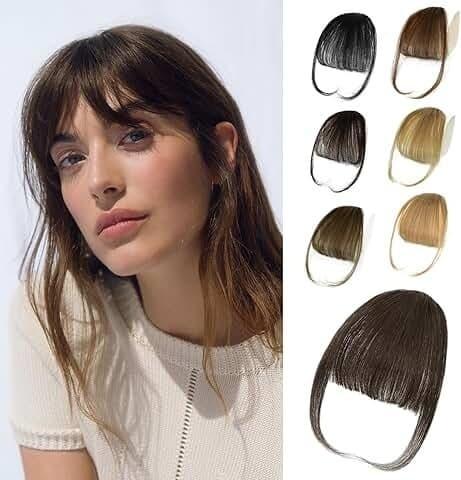
Appropriate care extends the lifespan of both synthetic units and human hair. For synthetic coverings bought from popular fast-fashion sellers like shein wigs, wash less frequently to preserve style memory and reduce fiber wear. Human hair requires more product but rewards with repairability and adaptability. Rotating wigs and storing them on stands prevents tangling and matting.
Wrap the wig with a silk scarf or use a silk pillowcase to reduce friction. Consider a loose braid for long units to minimize tangling if you sleep with the hair on a mannequin or loosely on your head for styling continuity.
To get maximum value from retailers offering shein wigs style ranges, track seasonal discounts, use wishlists to watch price changes, and prioritize units with clear customer imagery. If trying a new hairline type, choose a less expensive option first to avoid costly mistakes. Keep a note of the SKU, stocking patterns, and typical restock times so you can buy favored shades or shapes when they return.
Save on experimental colors, short-term trend looks, and novelty textures. Splurge when you need a go-to everyday unit (a natural straight or loose wave in human hair with realistic cap construction). A middle-ground upgrade is investing in lace-front heat-resistant synthetic options that mimic human hair properties but maintain a friendlier price tag.
Evaluating reviews for shein wigs or similar vendors requires pattern recognition. Look for consistent praise or complaints across multiple orders and consider photo timestamps to assess wear over time. Critical details to extract from reviews include:
When a unit arrives, perform a quick quality test at home: inspect the lace for loose knots, verify comb placements, test adjustable straps, try a gentle heat test on a low inconspicuous section for heat-safe fibers, and photograph the product in natural light for your records—this helps in returns or disputes.
Customizing a unit can dramatically increase wearability. Services such as professional cutting, adding hand-tied wefts, or ventilating a hairline are affordable compared to bespoke wigs. If you are altering a budget piece to make it your everyday look, consider whether the investment approaches or exceeds the cost of a higher-grade unit—this calculation guides sensible decisions.
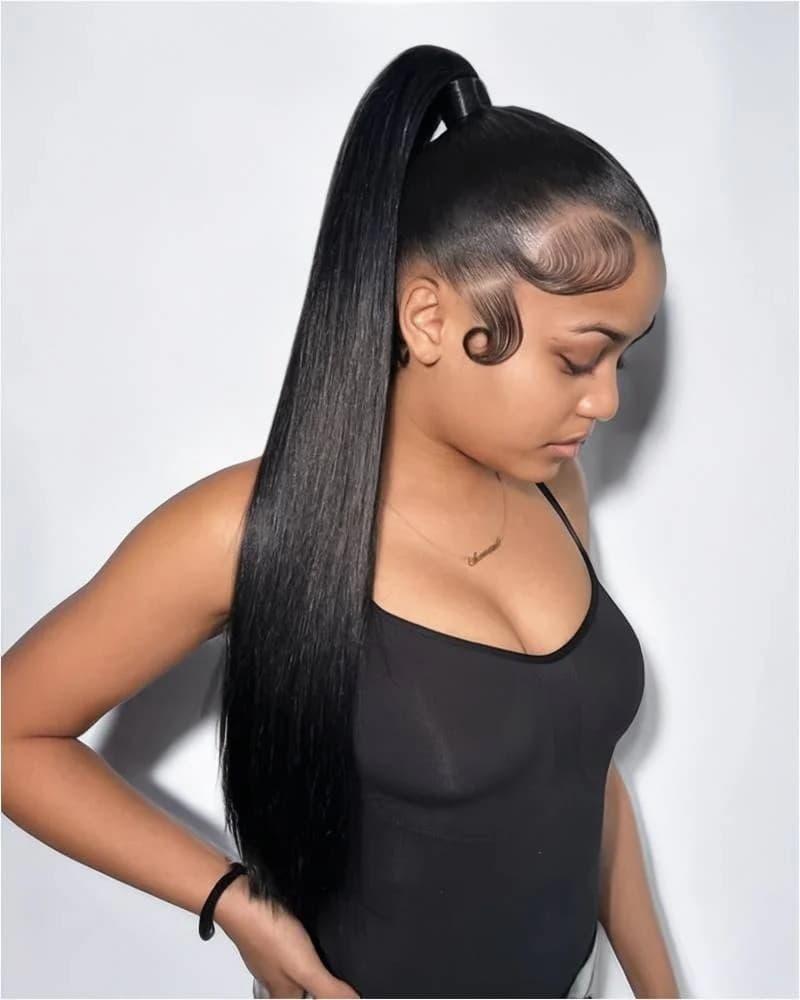
Many consumers choose shein wigs for bold colors like pastel pinks or vivid blues. For synthetic fibers, permanent dyeing is not possible; use temporary sprays or colored styling powders. Human hair units can be dyed but require professional handling to prevent damage and maintain texture. Root shadows and balayage effects often read as more natural than full-head neon shades.
To simulate a natural scalp, use lightly darker roots and gradual color transitions. This technique reduces the “wig” appearance and mimics natural hair growth patterns. When dyeing human hair pieces, a strand test and professional toner often yield the most convincing results.
Adhesives can secure lace-front wigs but require correct application and removal to preserve skin health and wig integrity. Medical-grade adhesives are recommended for long-term wear; tape options provide easier daily removal. For many casual users, wig grips, combs, and adjustable straps suffice and reduce scalp stress.
Use dedicated adhesive removers, avoid rough pulling, and always clean both scalp and lace carefully to prevent residue buildup and premature lace deterioration.
Budget sellers are ideal for frequent style changes and trend chasing; premium lines serve those prioritizing longevity and the closest natural feel. If you expect daily wear and repeated heat styling, prioritize a higher grade of fiber or human hair. For occasional wear, fast-fashion units provide exciting, low-risk experimentation. The keyword to remember is balance: price vs. performance vs. intended frequency of use.
When selecting wigs, consider supply transparency and material sourcing. Human hair sourcing varies; choose vendors who disclose collection methods and treat contributors ethically. Some shoppers opt for ethically harvested remy hair or recycled synthetic fibers as an eco-aware compromise.
Extend life through proper storage: a cool, dry place on a stand or in breathable bags. For disposal, avoid mixing synthetic fibers with household waste—explore textile recycling programs where available.
Use coupon stacking, wait for sales, and compare similar SKUs from multiple sellers. Keep a habit of saving review photos and notes for each purchase so you build a personal database of trusted styles and sizes. This practical knowledge optimizes future purchases whether you choose shein wigs or other online retailers.
Choose protective styles in cheaper units and invest more in staples like a natural straight or maintainable wave in better fibers for daily wear. Consider upgrading only the cap or lace if that’s the main area of compromise.
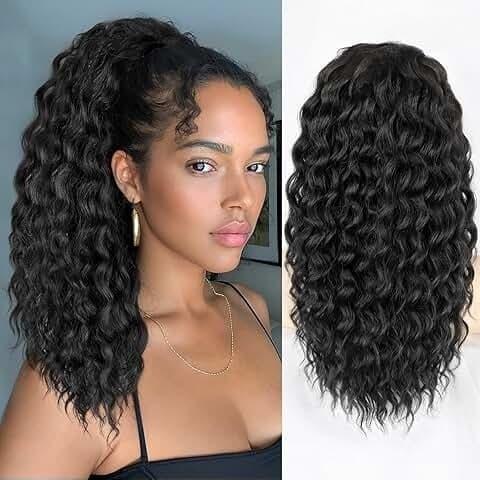
Rotate units, clean gently, use minimal heavy products, store on stands, and schedule occasional professional servicing if you want your piece to last. When shopping for shein wigs, the smartest tactic is to pair budget buys for experimentation with one or two long-term investments for everyday reliability.
Look beyond the retail page: forums, social platforms, and independent blogs often provide deep dives and wear-time reports. Search for hashtags and follow content creators who post unedited, day-by-day wear tests. These user-generated resources can reveal recurring issues like shedding, early fraying, or cap stretch that a single product page might not disclose.
Purchasing a wig in 2025 blends aesthetics with practicality. If you want to experiment affordably or diversify your look, options like shein wigs are valuable starting points. Apply the guidelines in this article to make informed purchases, customize safely, and care intentionally. With the right approach, you can achieve realistic, flattering results that reflect personal style without overspending.
A: Yes, modern heat-resistant synthetics can appear very natural when paired with a lace front, proper plucking, tinting of lace, and realistic parting. The key is to avoid excessive shine and to style conservatively.
A: Lifespan varies: synthetic fashion pieces used occasionally may last 6–12 months, while human-hair units with good care can last one to several years. Rotation, gentle washing, and proper storage extend longevity.
A: Only dye human hair units professionally; bleaching knots on lace fronts is common but requires caution. Synthetic fibers generally cannot be permanently dyed.
