If you are new to wigs and are searching for clear, reliable guidance on how to wear wig with confidence, this comprehensive guide breaks down the process into seven digestible steps and adds styling, maintenance, and blending tactics designed for a natural look. Whether you choose synthetic, human hair, lace front, or full lace, learning the principles and practicing will build your skill and boost your self-assurance. This article focuses on actionable tips, common mistakes to avoid, and realistic advice to help every beginner achieve a seamless result and feel great wearing a wig all day long.
Understanding how to wear wig correctly is more than just putting a hairpiece on your head. Proper application affects comfort, stability, and the final aesthetic. A well-fitted wig looks natural, lasts longer, and supports your confidence. Conversely, poor fit or visible edges can make even an expensive wig appear fake. This guide addresses fit, security, styling, and maintenance, giving you practical techniques used by pros and seasoned wearers.
Before exploring how to wear wig strategies, prepare a clean, dry scalp. If you have medium to long hair, braid it into flat cornrows or pin it into a low, sealed bun; for short hair, smooth it with a wig cap. Use a breathable wig cap that matches your skin tone to create a neutral base layer. For extra grip, choose a cap with silicone no-slip strips. If your scalp tends to sweat, consider an absorption cap or lightweight headband under the wig.
Your success with how to wear wig comes from selecting the correct cap. Common cap types include basic cap, monofilament, lace front, and full lace. Lace front and full lace offer the most natural hairline; monofilament provides realistic parting. Measure your head circumference from hairline to nape and around the largest part of the head. Most brands list size ranges—small, medium, large—but adjustable straps help fine-tune fit. If the cap is too big, add wig tape or a grip band; if too small, choose a stretchable cap or size up.
The next phase in learning how to wear wig involves anchoring the wig safely without sacrificing comfort. Place the wig at the hairline, slide it back to the crown, then align and adjust to a natural hairline position. Use the adjustable tabs to tighten slightly; avoid over-tightening which causes headaches. For extra security, consider:
When using adhesives, always test a small skin area first and follow removal instructions to protect your scalp.
A believable hairline is central to how to wear wig successfully. For lace front pieces, trim the lace carefully along the natural hairline—avoid cutting too close to the wefts. Use a thin dab of adhesive along the skin, allow it to become tacky, then press the lace into place. Use a fine-tooth comb or the edge of a toothbrush to gently feather baby hairs. Lightly applying foundation or concealer that matches your skin tone to the lace can minimize contrast. Avoid heavy products near the edge that create an unnatural look.
Styling is where you make the wig look uniquely yours. If you’re asking how to wear wig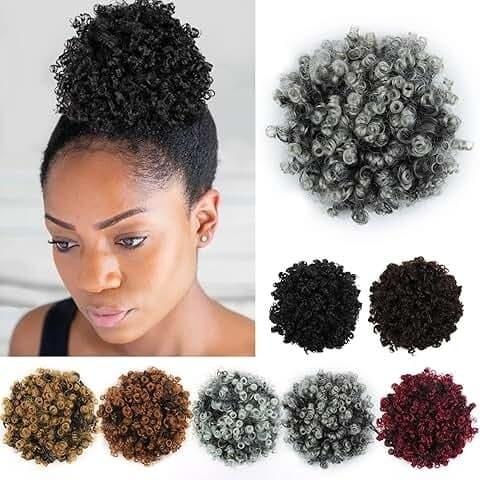 so it feels natural, follow these styling guidelines:
Remember to style in natural light and check from multiple angles—what looks good in one mirror may reveal seams in another.
Wearing the wig for a short period at home before public use helps you test movement and comfort. Walk, turn your head, smile, and try typical activities to ensure the piece stays secure and feels natural. Practicing how to adjust and reposition quickly improves confidence. If you feel self-conscious, small accessories like headbands, scarves, or hats offer stylish alternatives while you build comfort. Mastering how to wear wig confidently is as much mental as it is technical—repetition breeds ease.
Proper care extends the life of your wig and keeps it looking fresh. Key maintenance tips include:
Understanding maintenance reinforces your ability to present a consistent, natural appearance and keeps replacement costs down.
Even after you learn how to wear wig, occasional problems can arise. Below are frequently encountered issues and fixes:
Solution: thinly apply makeup to the lace edge, matte finish powders reduce shine, and trimming with small scissors in natural light can remove excess lace.
Solution: use additional wig tape strips at the temples and back, install a wig grip band, or sew in combs for secure anchoring.
Solution: detangle gently with a wide-tooth comb starting at ends, use anti-frizz products formulated for wig fibers, and store the wig on a stand when not in use.
Solution: switch to hypoallergenic adhesives and perform patch tests. Consider medical-grade adhesives and consult a dermatologist if irritation persists.
Approaching how to wear wig changes slightly depending on the wig material:
Each type benefits from tailored care and application methods to optimize appearance and comfort.
Complementing the wig with the right makeup and accessories amplifies a natural effect. Use neutral-toned concealer along the part and hairline to match the scalp; add subtle contouring to balance the face with the wig’s shape. Headbands, scarves, and clips not only secure the wig but can also become fashion statements. For formal events, consider light hairspray to maintain style; for active days, stronger adhesives or sewing techniques provide added security.
Learning how to wear wig also involves mindset. Practice wearing the wig at home until you feel comfortable; experiment with outfits and jewelry to create looks that feel authentic. Share your experience with supportive communities or friends who can offer tips and encouragement. Visualize success and focus on comfort rather than perfection—confidence comes from familiarity and ownership of your style.

Before you step out, run through this short checklist to confirm a polished result:
Pro tip: Keep a small kit with bobby pins, travel-sized adhesive, a mini comb, and a few tape strips for quick on-the-go fixes.
Workshops, video tutorials, and local salons that specialize in wigs are invaluable resources. Practice is essential—try different cap types, lengths, and densities until you find the best match. Also, engaging with online communities offers troubleshooting tips, product reviews, and styling inspiration from experienced wig wearers.
If you ever wonder again how to wear wig with greater assurance, revisit the seven-step sequence described here and tailor each step to your lifestyle and preferences.
Wearing a wig is a powerful tool for expression, convenience, or necessity. The key to mastering how to wear wig is preparation, correct fit, realistic styling, and consistent care. With the practical steps outlined above and deliberate practice, you will be able to secure, style, and maintain a natural-looking wig that supports your confidence every day.
A: Spend at least a few short sessions at home to test movement, fit, and style—many people feel comfortable after 3–5 trial wears, but take the time you need to feel confident.
A: Light exercise is fine with the right adhesives or a secure cap; swimming is possible but requires extra precautions like waterproof adhesives and thorough post-swim care to prevent damage.
A: Generally wash a wig every 6–12 wears or when product buildup or odor appears. Human hair wigs may need more attention if styled frequently with heat tools.
A: Custom wigs offer the best fit and personalization, but well-chosen off-the-shelf wigs can also produce excellent results when properly adjusted and styled.
Use this guide as your long-term reference to refine your skills in how to wear wig and to develop a signature, natural look that enhances your confidence and comfort on every occasion.