
how to put a wig on — practical introduction for first-timers
Why technique matters
A wig is more than a hairpiece: it's a combination of base, cap, and hair fibers that must align with your head shape and hairline. Learning how to put a wig on correctly prevents slippage, reduces tension on your scalp, and creates a realistic hairline. Proper application also extends the life of synthetic and human-hair wigs by minimizing friction, unnecessary stretching, and premature wear.
Materials and tools checklist
- Wig (lace front, full lace, or machine-made)
- Wig cap(s) — breathable, nylon or mesh
- Comb or wide-tooth brush; rat-tail comb for parting
- Elastic wig band or adjustable wig grip for extra security
- Bobby pins or wig clips for temporary anchoring
- Scissors for trimming lace (if lace front)
- Rubbing alcohol or clarifying cleanser to prep skin
- Spirit gum or medical-grade adhesive (optional) and remover
- Edge control or gel for baby hairs
- Heat tools and protectant (only for heat-safe wigs)
- Styling products: mousse, light hairspray, serum

Prepping your natural hair: the foundation
Before you practice how to put a wig on, gather your tools and choose a space with good lighting and a mirror at eye level. The way you prep your own hair affects comfort and silhouette. Aim for a flat, smooth base: for short hair, use a wig cap to hold hair down; for medium to long lengths, braid or cornrow hair in neat, low rows or flat braids. If you have thin hair, use two caps to protect strands and create a uniform surface.
Step-by-step base prep
- Brush hair thoroughly to remove tangles.
- Create flat braids or pin hair close to your scalp.
- Choose a wig cap color close to your scalp or wig base; place it over hair, tucking flyaways.
- Secure cap edges with bobby pins if needed; avoid tension points.
Choosing the right wig size and cap type
Measure your head circumference and compare to the wig seller's size chart. A correctly sized cap reduces shifting and prevents gaps that show your natural hair or scalp. Lace-front wigs are best for a natural hairline; full-lace allows versatile parting; machine-tied caps often cost less but may be less breathable. Consider cap construction when learning how to put a wig on — some require adhesives, others only clips or bands.
Step 1: Inspect and prepare the wig
Take the wig out, gently shake to loosen fibers, and place it on a wig stand or styrofoam head to check parting and density. If it has a lace front, trim the excess lace carefully: cut small sections at a time, leaving a thin strip close to the hairline. Trimming lace before application reduces the need to cut on your head. If the wig is synthetic, brush from tips to roots to reduce shedding. For human hair wigs, you can lightly steam or blow-dry to restore movement.
Step 2: Attach the wig — methods for different preferences
There are several ways to secure a wig when learning how to put a wig on. Choose based on comfort, sweat level, activity, and how long you plan to wear it.
Method A — No-adhesive secure (wig band + clips)
- Place the elastic wig band or grip across your forehead and around the back of your head.
- Slide the wig on from front to back, aligning the front lace or hairline with your natural forehead.
- Fasten any internal combs to your wig cap or hair if available.
- Tuck the band under the wig's edge so it hides beneath hair and provides extra hold.
Method B — Temporary adhesive (spirit gum, tape)
- Clean the skin along your hairline with alcohol to remove oils; allow to dry.
- Apply thin strips of wig tape or a small line of spirit gum along the hairline where the lace will sit.
- Wait until the adhesive becomes tacky, then gently place the lace front onto the adhesive and press lightly.
- Hold for a few seconds to bond; use a blow-dryer on cool to help set glue if recommended by the adhesive manufacturer.
Method C — Sew-ins and long-term attachments
For long-term wearers, a professional sew-in or bonding at a salon provides the most secure fit. If you're a beginner, consider booking one session with a pro to learn the correct placement and tension before attempting durable attachments yourself.
Step 3: Aligning the hairline and creating a natural part
The illusion of a real scalp depends on hairline placement. When learning how to put a wig on focus on the following:
- Place lace so the wig’s hairline aligns with your natural forehead shape; do not push too far back which creates an unnatural mass of hair at the top.
- If the lace is slightly wider than your natural hairline, trim carefully with small scissors that cut only excess lace.
- Use a tail comb to create the desired part; for a middle part keep symmetry, for a side part shift slightly to elevate volume.
- Apply a small amount of concealer or foundation along the part on the lace's underside to mimic scalp color if necessary.
Step 4: Blending edges and baby hairs
To make the lace undetectable, style baby hairs and soften the hairline. Shorten some strands near the lace using small scissors, then apply a light gel or edge control and smooth those hairs with a toothbrush or edge brush. Use a cool setting hairdryer to flatten gel and set the look. If your wig has pre-plucked edges, enhance gently rather than over-thinning, which can reveal lace.
Step 5: Styling for a natural silhouette
Once secure, styling makes the wig feel like your own hair. Keep these tips in mind while you practice how to put a wig on and style it:
- Heat rules: Only use tools if the wig is heat-safe. Start at a low temperature and increase slowly to prevent fiber damage.
- Volume balance: Add volume at the crown, but smooth at the hairline for a realistic transition.
- Color blending: For lace fronts, slight color matching of the lace with scalp tones helps; tinted lace or skin-toned foundation applied thinly to the underside works well.
- Parting: Slightly loosen hair around the part and fluff with fingers to create depth and avoid a flat, glued-down look.


Troubleshooting common fit issues
Even after you learn how to put a wig on, problems can occur. Here are solutions:
- Wig slips backward: Use adjustable straps, wig grips, or add tape/adhesive at the nape.
- Visible lace: Trim carefully, add lace tint or blend with makeup, and create baby hairs.
- Gaps showing natural hair: Reposition cap, use two caps for extra coverage, or flatten natural hair further.
- It feels tight: Check cap size and loosen internal adjustable straps; avoid sleeping in a tightened wig to prevent headaches.
Pro tip: Carry a small emergency kit with bobby pins, double-sided wig tape, and a mini brush when you wear a wig out — small fixes can save the day.
Maintenance: keeping your wig fresh and natural
Maintaining the wig's shape and cleanliness ensures long wearability. For how to put a wig on newbies, adopting a maintenance routine will make each application easier:
- Wash synthetic wigs every 6–10 wears; human-hair wigs every 8–12 wears, depending on product and activity level.
- Use wig-specific shampoo and conditioner; never use regular heavy formulas on lace-front wigs.
- Air-dry on a stand to preserve cap shape and prevent distortion.
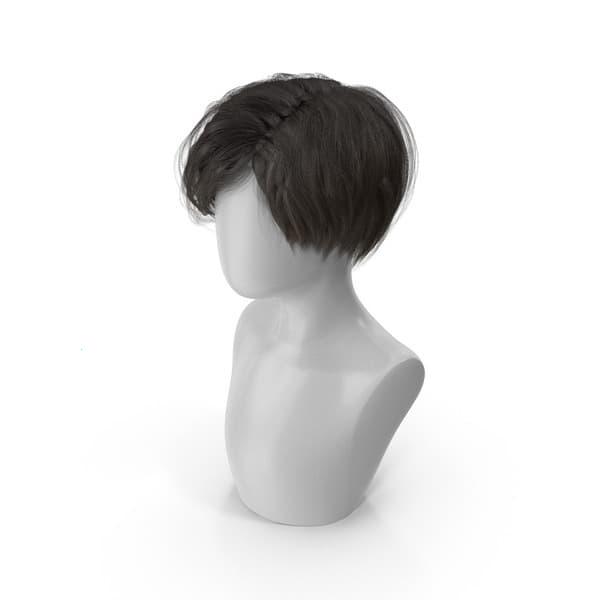
- Store on a wig stand or mannequin head to keep the part and hairline in place.
Styling ideas to enhance realism
Create small changes rather than dramatic transformations to make wigs more realistic: add subtle highlights, soft layers around the face, or slight baby hair texture. For a lived-in look, lightly matte-spray the mid-lengths or slightly relax curls with fingers.
Advanced techniques: customizing lace and density
Once you’re comfortable with basic steps for how to put a wig on, consider more advanced customizations: plucking some fibers along the part for a natural density, tinting lace with alcohol-based makeup to match your skin tone, or ventilating baby hairs manually. These steps are best practiced on a spare cap or by a professional until you gain confidence.
Health and safety considerations
Choose adhesives designed for skin, patch-test new products, and remove glue gently with manufacturer-recommended remover to protect your skin and hairline. If you experience irritation, discontinue use and consult a dermatologist. Avoid sleeping in a glued wig unless it's specifically secured for overnight wear by a professional.
Checklist: quick summary to remember
- Prepare your natural hair and choose the right cap.
- Measure and select accurate wig size.
- Trim lace carefully and place wig in alignment with your hairline.
- Secure with your preferred method: band, tape, adhesive, or sewing.
- Create a natural part, blend edges, and style baby hairs.
- Maintain the wig to prolong life and realism.
Common mistakes and how to avoid them
Beginners often push the wig too far forward or backward, over-pluck hairlines, or apply too much adhesive. Avoid these mistakes by practicing alignments on a mannequin first, trimming lace conservatively, and using minimal adhesive. When in doubt, consult tutorials or a professional stylist for one-on-one guidance.
Beginner-friendly timeline for your first application
Allocate 45–90 minutes for your first few attempts: 10–15 minutes to prep hair, 10–20 minutes to trim and place lace, 10–20 minutes to adhere and set, and 15–30 minutes to style and blend. With practice you'll reduce this to 15–30 minutes for most everyday looks.
Products recommended for a long-lasting natural look
- Alcohol-free wig adhesive remover
- Firm-hold edge control
- Lightweight mousse for volume
- Heat protectant for human-hair wigs
- Travel-size wig kit (tape, pins, mini comb)
Searching online for "how to put a wig on" should lead you to step-by-step videos, but this written guide helps you internalize the sequence so you can apply and style a wig confidently and safely. Practice, patience, and attention to small blending details are the keys to a believable result.
Conclusion
Mastering how to put a wig on is a journey from preparation to precision. Start with a comfortable cap, secure appropriately for your lifestyle, blend the hairline, and choose modest styling adjustments that mimic natural hair growth. Over time, these habits will produce fast, low-stress wig applications that look and feel authentic.
FAQ
Q: How tight should a wig be?
A: A wig should be snug but not painful. It should stay in place when you move your head without causing pressure headaches. Use adjustable straps or a wig grip for a comfortable fit.
Q: Can I sleep in my wig?
A: Generally no, especially if adhesive is used. Sleeping in a wig can flatten the style, cause tangles, and stress both the wig and your natural hair. If you must sleep in it, wrap with a silk scarf and use a satin pillowcase to reduce friction.
Q: How do I make a lace front blend with my skin?
A: Trim lace carefully, apply a small amount of wig-safe concealer or foundation that matches your scalp, and create baby hairs to disguise the edge. Tinted lace or lace tint products also help.