Choosing a hairpiece made with high definition lace wigs is about prioritizing realism, versatility, and long-term value. Modern shoppers increasingly demand wigs that blend seamlessly with their scalp and hairline so the transition between skin and hair is imperceptible. In this guide we’ll cover everything from selecting the right base and hair type to installation techniques, maintenance plans, styling advice and buying safeguards—each section focused on boosting your confidence when you shop, install, or maintain high definition lace wigs.
High definition lace refers to ultra-fine, nearly transparent lace bases that mimic the subtleties of a real scalp. These bases are engineered to be thinner, softer, and less detectable than conventional lace. The result: knots that can be bleached cleanly, baby hairs that lay naturally, and minimal shadow at the hairline. Key technical benefits include higher knot density control, better ventilated lace for breathability, and greater pliability for contouring to unique head shapes.
For many clients, combining an HD lace front with a stronger lace back panel gives an optimal mix of realism and durability.
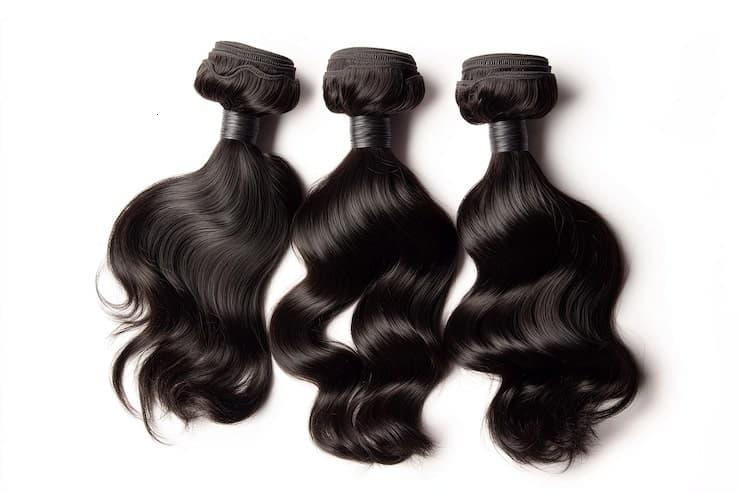
The hair itself—human, remy, virgin, or synthetic—affects styling options and lifespan. When shopping for high definition lace wigs, examine:
Cap types—full lace, lace front, 360 lace, and machine-tied caps—all influence comfort and styling versatility. A proper fit is essential: too large can slip, too small can create tension alopecia. Measure your circumference, front-to-back, and ear-to-ear. Many sellers provide adjustable straps and combs; prioritize custom sizing or adjustable pieces if a perfect fit is critical. For high definition lace wigs, cap ventilation matters because the ultra-thin lace can be more delicate, so choose models with reinforced edges for longevity.
Common densities: 120% (natural), 150% (standard), 180% (full), 220-250% (very full). For daily wear, 120–150% often looks most natural when paired with high definition lace wigs because the invisible hairline and lighter density reduce detectability. If you prefer dramatic volume, select higher densities but be prepared for more maintenance. For color, consider a soft color melt or subtle highlights instead of stark one-tone wigs—this makes blending with your natural edges easier.
Installation is where many owners either achieve a flawless look or lose the illusion. Common approaches include glue/tape, glue-less systems, sew-down with an elastic band, and professional lace re-laying. For HD lace, proper preparation and technique are vital:
Clean and oil-free skin allows adhesives to bond. Use a gentle alcohol wipe, then a thin barrier if you have sensitive skin. For those with active skin conditions, consult a dermatologist before using adhesives.
Bleaching knots lightens the tiny dark points where hair is tied to the lace, reducing contrast at the scalp. Do a strand test to determine timing and strength. After bleaching, use careful plucking to create a softer hairline and add baby hairs for a natural finish. When working with high definition lace wigs, less is often more—over-plucking creates unnatural sparse zones; under-plucking leaves a dense, manufactured hairline.
Options include water-based adhesives, polymer-based frontal glues, and double-sided tapes. Water-based formulas are gentler but less long-lasting; polymer adhesives hold for days up to weeks and withstand humidity. Tape is clean and convenient but may not conform as well to micro contours. For HD lace, choose a low-foam, clear-drying product designed for thin lace to avoid visible residue.

Glue-less systems (elastic bands, combs) are ideal for sensitive skin and quick removal, but glue provides the flattest, most undetectable finish for photography and active lifestyles. If using adhesives, always follow safety protocols: patch test, ventilate the room, and use an adhesive remover for safe take-down.
Seamless blending is the ultimate goal. Strategies include:

Edge control gels are popular but can make lace appear shiny if overused. For high definition lace wigs, apply products sparingly and use a toothbrush or soft brush to shape baby hairs. Consider a satin scarf wrap post-installation for 5–10 minutes to help lace set without heavy adhesives.
Maintenance prolongs life and preserves realism. Recommended care routine:
Products to consider: sulfate-free cleansers, protein-rich conditioners for processed hair, heat protectants for styling, and alcohol-free adhesives removers. Keep a small maintenance kit with a toothbrush, edge gel, adhesive remover, and microbobby pins for quick touch-ups.
If the hair is human and virgin, you can straighten, curl, and color but always use heat protectant and lower temperature settings. Synthetic or mixed blends often tolerate limited heat; check product specs. Over time heat exposure can dry hair fibers and weaken knots—rotate styles to reduce concentrated heat stress.
Longevity depends on hair type, cap construction, frequency of wear, and care. With attentive maintenance, human-hair high definition lace wigs can last 6–18 months with regular wear, or several years if reserved for occasional use. Signs it’s time to repair or replace include persistent shedding, lace tearing, and significant cap stretching. Small lace tears can be mended by a skilled technician or with DIY netting patches and careful sewing. Replace when repairs outstrip the cost or when the unit no longer fits snuggly.
Store on a mannequin head or in a breathable bag to maintain shape and prevent tangling. Pack a travel kit: silk scarf, edge brush, mini spray, and a small container for pins and clips. For long flights, use a padded box to prevent crushing the lace.
Price varies widely—HD lace and hand-tied units cost more due to labor intensity and material quality. Instead of buying the cheapest option, evaluate vendor transparency, return policies, and customer photos. A moderately priced HD lace unit from a reputable maker often outperforms a cheaper mass-produced alternative. Factor in customization costs (bleaching, coloring, venting) when comparing prices.
Reliable suppliers provide:
When possible, choose vendors offering a trial period or reasonable return policies. Beware of stock images—ask for user photos or unfiltered video of the exact piece you'll receive.
Demand for human hair raises ethical considerations. Prefer vendors who can verify responsible sourcing practices, fair compensation, and transparent supply chains. Some brands offer recycled or ethically sourced collections—these may come at a premium but can align with conscious consumer values.
People with sensitive scalps should:
Buyers and wearers frequently err by skipping measurements, neglecting to ask for cap construction specifics, or over-processing lace with excessive glue or sunscreen (which leaves residue). For high definition lace wigs, avoid crude bleaching methods, over-tugging hair during styling, and sleeping without a silk wrap—these habits shorten lifespan and make the lace look unnatural faster.
For photographers, performers, or those seeking hyper-realism, advanced services include hand-knotting, individualized venting patterns, micro-parting, and scalp-printed liners that reproduce pores and skin tones. These specialized customizations enhance realism but increase cost and may require skilled maintenance.

Some high-end retailers offer limited warranties or repair credits for a year. For frequent wearers, consider purchase protection plans that include professional re-laying and knot restoration.
Use this checklist as a short roadmap to avoid impulse purchases and ensure your unit meets both aesthetic and practical needs.
Popular styles that benefit from high definition lace wigs include ultra-natural bob cuts, breathable lace-front long layers, sleek middle parts, and textured beach waves. HD lace is especially effective for looks that require direct-face framing and precise parting because the scalp illusion is crucial in close-up or high-resolution settings.
Quick reminder: The most convincing wigs are the ones that mimic subtle imperfections—uneven baby hairs, slight part irregularities, and natural density transitions.
Daily: light detangling, anti-frizz spray. Weekly: gentle wash and condition. Monthly: deep condition if colored or heat-styled often. Every 3–6 months: professional inspection and minor repairs if needed. This schedule extends wearable life and preserves the delicate HD lace edge.
Minor maintenance—knot tightening, re-venting sections, and resealing the perimeter—can refresh an old unit. Seek technicians who specialize in HD lace repair because the thin material requires delicate handling.
When making the final purchase decision prioritize: realistic lace type matched to your skin tone, verified hair quality (remy/virgin), cap construction that suits your lifestyle, and a clear return policy. Balance cost with expected customization and maintenance needs. With careful selection and routine care, high definition lace wigs deliver the most natural, camera-ready results available in contemporary wig technology.
A: Wash frequency depends on wear: weekly for daily wear, every 2–3 weeks for occasional use. Use gentle, sulfate-free formulas and avoid heavy residue near the knots to preserve longevity.
A: You can dye human-hair units but proceed with caution. Perform strand tests and consider professional colorists familiar with wig chemistry—over-processing can weaken knots and fibers.
A: Yes, but choose appropriate adhesives and sealers designed for humidity. Maintain a lightweight routine to avoid product buildup which can be exacerbated by sweat and moisture.
Whether you’re buying your first piece or upgrading a collection, prioritize careful vendor vetting, realistic expectations, and a maintenance plan that fits your routine. With the tips above you’ll be well-equipped to choose, install, and maintain high definition lace wigs that look effortless, natural, and durable.