Understanding whether can you put heat on a synthetic wig is an essential question for anyone who wears or styles artificial hair. This comprehensive guide explores the science behind synthetic fibers, safe temperature ranges, the right tools to use, step-by-step techniques, and long-term care so that you can style confidently while minimizing risk. The advice below caters to beginners and more experienced wig wearers, and highlights how to preserve fiber integrity and appearance.
When people ask can you put heat on a synthetic wig, they're usually worried about melting, frizz, or permanent damage. Unlike natural human hair, most synthetic fibers are made from plastics such as modacrylic, kanekalon, or toyokalon. These materials have a lower heat tolerance than keratin-based hair, so incorrect temperatures or tools can cause irreversible changes. However, not all synthetics are the same: some modern "heat-friendly" or "heat-resistant" fibers are engineered to withstand styling tools at moderated temperatures.
To answer can you put heat on a synthetic wig properly, you must know safe temperatures and how to test a piece before full styling. Follow these guidelines:
Choosing the correct equipment reduces the risk of damage. The best tools depend on the exact fiber type but generally include:
Below is a safe routine to follow for controlled heat styling when the product permits:
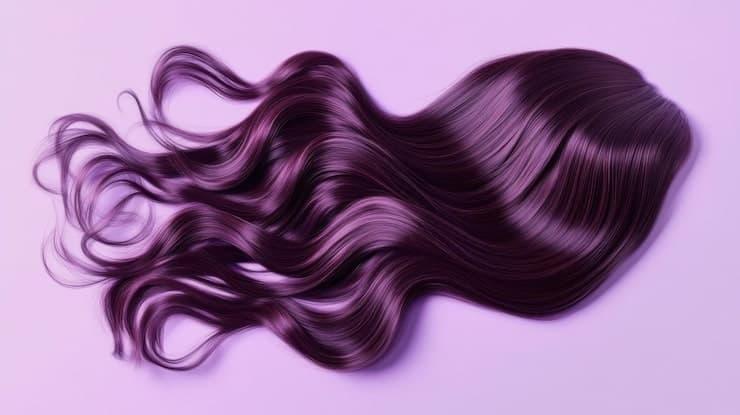
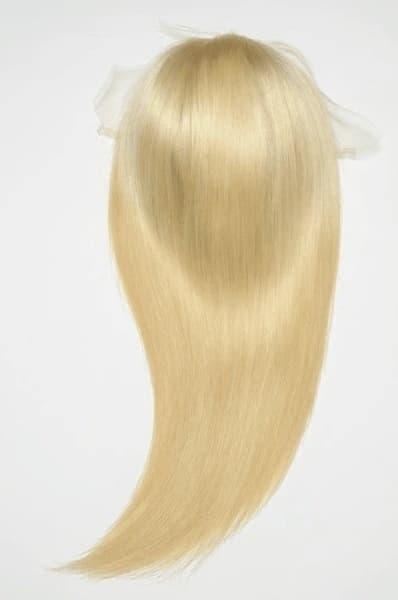
Steam styling is an excellent approach when answering the practical question can you put heat on a synthetic wig with the least risk. A handheld steamer or a professional steamer softens fibers and helps set curls or relax tangles without direct contact with a hot metal surface. For best results:
The hot water method is popular with cosplay and theatrical wigs. Steps: fill a basin with hot tap water (not boiling), dip the wig or a section briefly, shape using curlers or fingers, then cool with cold water and air-dry on a wig stand. This method can restore original factory-set curls for many synthetic wigs but is not recommended for wigs with glued-on lace fronts or complex caps unless manufacturer permits.
Even when a wig claims heat resistance, practice caution: use heat protectant sprays formulated for synthetic fibers, keep contact time short, and always test. Avoid high-pressure hot air from hair dryers close to the fibers; instead, use a cool or low setting and maintain distance. For lace fronts and bonded areas, avoid direct heat application near glue or adhesives, as high temperatures can weaken bonds.
Many problems arise through misunderstandings about can you put heat on a synthetic wig. Avoid these pitfalls:
Post-styling care prolongs the life of synthetic wigs. Use conditioning sprays specifically for synthetics to restore shine and reduce static; store wigs on stands to maintain shape; avoid prolonged sun exposure that can weaken fibers; and clean according to manufacturer directions—frequent washing can shorten a wig's lifespan, so clean only when necessary and use cool water.

If a section melts, becomes stiff, or frays, your options are limited but still manageable depending on severity: trim the damaged ends carefully, consider a partial re-style that covers the area, or in severe cases replace the wig. For minor frizzing, a light mist of synthetic-specific conditioner and gentle smoothing with a wide-tooth comb after cooling can help. Remember that melted synthetic cannot be repaired back to its original state.
Professional wig stylists recommend a conservative approach: for everyday wear, choose low-maintenance styles that avoid frequent heat exposure. For special occasions, plan restyling sessions using steam or low-temp tools and reserve higher-heat work for synthetic wigs clearly labeled as heat-safe. Wigs for repeated high-heat styling are still best as human hair or premium heat-stable blends to ensure longevity.
Before attempting any heat styling, confirm the following:
Daily routines matter: avoid sleeping in synthetic wigs, brush gently starting at the tips, use detangler sprays rather than rough combing, and keep heat tools off whenever possible. If you must refresh a style, consider low-heat steam or finger-styling with mousse made for synthetics.
So, can you put heat on a synthetic wig? The short answer is: sometimes—if the fiber is heat-friendly and you use low temperature, correct tools, and tested technique. If the wig is traditional synthetic without heat tolerance, avoid flat irons and curling wands entirely and opt for steam, hot water methods, or non-thermal styling alternatives. Always test, start low, and protect the cap and lace area to ensure longevity.
If you need a compact reminder: treat synthetic fibers gently, respect manufacturer guidance, and when in doubt, choose non-thermal methods. That approach reduces risk and keeps your wig looking fresh longer.
For professionals who restyle multiple synthetic wigs, invest in calibrated tools with precise temperature settings and a professional-grade steamer. Label each wig with its tested maximum temperature and keep a log of successful techniques used for each model to avoid repeating mistakes. Consider blending synthetic pieces with human hair for hybrid solutions that offer heat styling flexibility while reducing cost.
When heating synthetic fibers, be mindful of ventilation—melting plastics can release odors and potentially harmful fumes. Work in a well-ventilated area and avoid inhaling near the heating source. Dispose of irreparably damaged wigs responsibly and check local recycling rules for synthetic materials where applicable.
To deepen your expertise after reading this guide: consult the wig manufacturer's care instructions, view tutorials from experienced wig designers, and experiment with small test pieces in a controlled environment. Joining niche online communities focused on wig-making and styling can also provide practical tips and contemporary product recommendations.
This guide aims to answer can you put heat on a synthetic wig thoroughly and practically. Apply caution, test first, and choose the right tool for the fiber type so your styling efforts are both effective and safe.

If you have a specific wig brand or fiber type in mind and want tailored advice, provide the product details and we can offer a customized heat-styling plan.